




| IN A NUTSHELL |
|
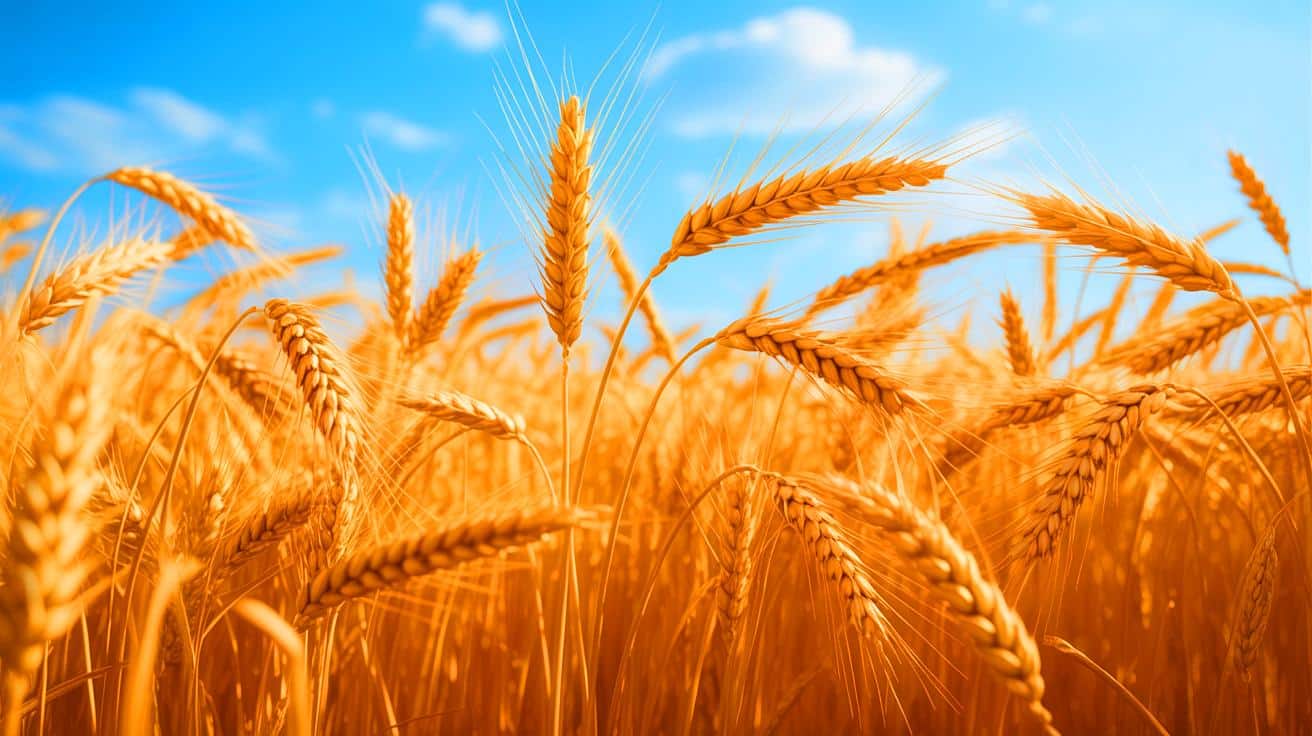
In a groundbreaking discovery, researchers at the University of Maryland have pinpointed a gene that could revolutionize wheat production worldwide. By identifying WUSCHEL-D1, a gene responsible for forming multiple ovaries in wheat flowers, scientists have opened the door to potentially tripling wheat yields. This finding, published in the Proceedings of the National Academy of Sciences, offers a promising solution to the growing global demand for wheat amidst the challenges of climate change and limited resources. The ability to increase wheat kernels per plant could significantly impact food production, offering a new hope for feeding billions more efficiently.
The Genetic Breakthrough
The discovery of the WUSCHEL-D1 (WUS-D1) gene marks a pivotal moment in agricultural biotechnology. This gene, typically inactive in standard wheat, was found to be active in a mutant strain of bread wheat, resulting in the unusual formation of multiple ovaries per flower. Each ovary has the potential to develop into a grain, thereby increasing the grain yield per plant significantly. The research team at the University of Maryland meticulously mapped the genetic structure of this mutant wheat and identified the activation of WUS-D1 as the critical factor.
By activating WUS-D1 early in the development of wheat flowers, the floral tissue expands, facilitating the growth of extra female structures. This scientific insight provides a roadmap for plant breeders to harness this trait, offering a tangible method to boost wheat yields. The implications of such a genetic tool are vast, potentially allowing for increased food production without the need for additional land or resources.
Impact on Global Food Security
Wheat is a cornerstone of global nutrition, serving as a staple food for billions. The pressing challenge of feeding a growing global population is exacerbated by climate change, which threatens traditional agricultural practices. The discovery of the WUS-D1 gene offers a novel approach to enhancing food security. By potentially increasing the number of grains per spike, this genetic advancement could help meet the rising demand for wheat more sustainably.
Vijay Tiwari, Associate Professor of Plant Sciences at the University of Maryland, emphasized the significance of this discovery. He noted that incorporating the multi-ovary trait into new wheat varieties could lead to substantial increases in yield. The use of gene editing technology to refine and improve this trait presents an exciting avenue for developing hybrid wheat varieties that are both resilient and productive.
Beyond Wheat: Broader Implications
The implications of the WUS-D1 gene discovery extend beyond wheat. The potential to apply similar genetic modifications to other cereal crops could revolutionize agriculture on a global scale. Grains such as rice, maize, and barley, which are critical to global food supply, might also benefit from multi-ovary producing varieties. The prospect of enhancing yield across multiple staple crops could transform agricultural practices, contributing to greater food security worldwide.
Given the challenges posed by finite farmland and the unpredictability of climate patterns, innovations like this are crucial. The ability to produce more food on existing land with fewer inputs aligns with sustainable agricultural goals. This advancement not only promises to improve wheat yields but also sets a precedent for future genetic research aimed at optimizing crop production.
Research and Collaboration
The study detailing the WUS-D1 gene involved a collaborative effort among several researchers at the University of Maryland. The team included lead author Adam Schoen and esteemed colleagues such as Professor Yiping Qi and Professor Emeritus Angus Murphy. Their work was supported by various organizations, including the U.S. Department of Agriculture’s National Institute of Food and Agriculture and the Australian Research Council.
This collaborative research underscores the importance of cross-institutional and international cooperation in advancing agricultural science. The support from diverse funding bodies highlights the global interest in addressing food security challenges. As research continues, the potential to develop cost-effective and sustainable hybrid wheat varieties remains a key focus, with promising implications for the future of global agriculture.
As the world grapples with the dual challenges of population growth and climate change, innovations like the discovery of the WUS-D1 gene offer a beacon of hope. By unlocking the potential to significantly boost wheat yields, scientists are paving the way for a more sustainable and secure food future. How will this discovery shape agricultural practices and policies in the years to come?



Wow, tripling wheat yields? That’s incredible! 🌾
Wow, tripling wheat yields sounds incredible! How soon can farmers start using this gene in their crops? 🌾
Is this discovery already being tested in real-world farming conditions?
Is this genetically modified wheat safe to eat? I’m a bit skeptical about GMOs. 🤔
Finally, some positive news for farmers! Thanks for sharing this info! 🙌
Thank you for this informative article! It’s great to see progress in agriculture that could feed more people. 😊
Will this genetic modification affect the nutritional value of the wheat?
This sounds like a game-changer for farmers! Will this affect the price of wheat globally?
How long before we can actually see these changes in the market?
Can this gene be used in organic farming, or does it involve genetic engineering?
Not sure how I feel about genetically modified crops… 🤔
Tripling yields? Seems too good to be true. What’s the catch?
Isn’t playing with genes a bit risky? What if something goes wrong?
How does this discovery impact other grains like rice and maize?
Great discovery, but will small-scale farmers benefit from this?