


| IN A NUTSHELL |
|
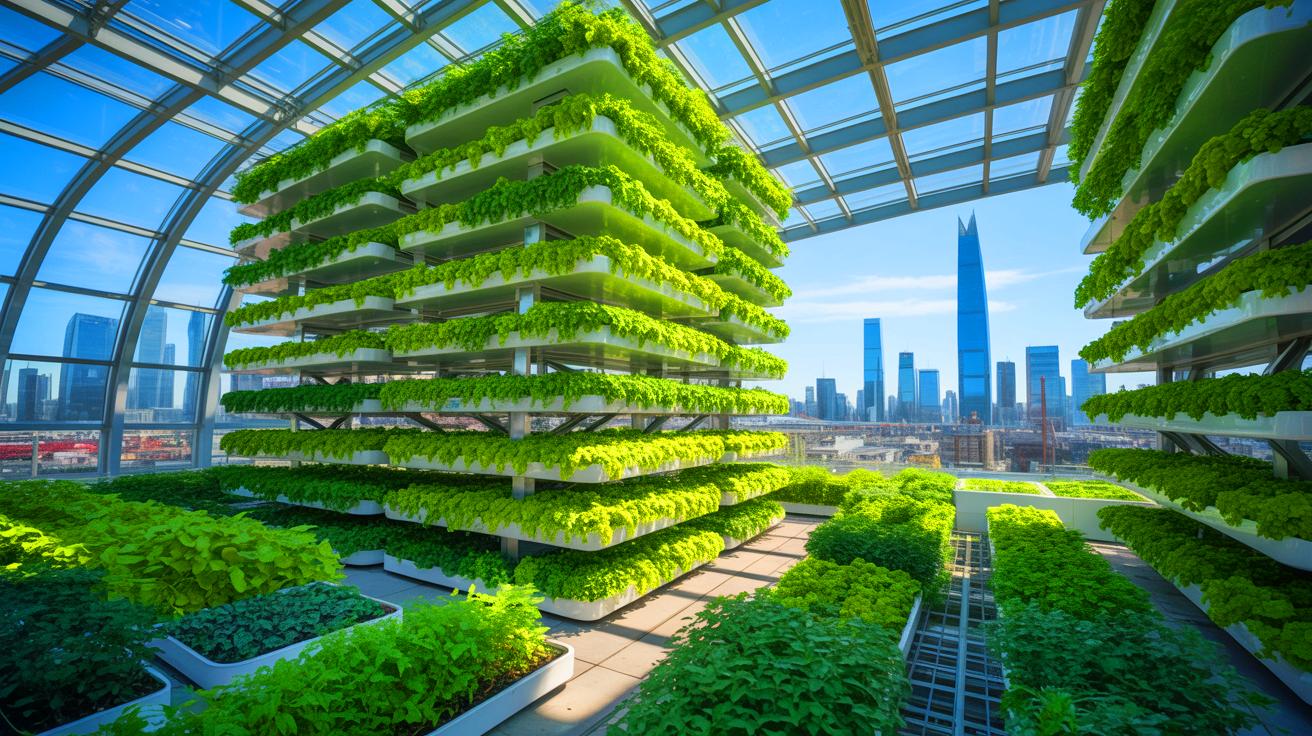
Amid the sprawling urban landscape of Beijing, a new project stands as a beacon of innovation and sustainability. This vertical farm, the first of its kind in China, promises to reshape urban food production. Designed by Van Bergen Kolpa Architecten and situated on the campus of the Chinese Academy of Agricultural Sciences, this 37,673-square-foot greenhouse aims to supply fresh fruits and vegetables to millions of Beijing residents. Its sustainable practices, including water recycling, natural ventilation, and solar heating, showcase a harmonious blend of urban planning and environmental consciousness.
Revolutionizing Urban Agriculture
Vertical farming is not just a trend; it is a revolution in how cities approach food production. As urban populations rise, space becomes increasingly scarce. Traditional farming methods cannot keep pace with the demand for fresh produce. This vertical farm in Beijing offers a solution by utilizing vertical space to grow food. Its towering structure demonstrates that urban areas can produce food efficiently without sprawling over large tracts of land.
The farm integrates cutting-edge technology with sustainable practices. Water, a precious resource, is reused within the system, minimizing waste. Natural ventilation systems replace energy-intensive air conditioning, while solar panels provide clean energy for heating. Each of these elements contributes to reducing the farm’s carbon footprint, making it a model for future urban agriculture projects globally.
Educational Opportunities and Innovations
Beyond food production, the vertical farm serves as an educational hub. It includes a pedagogical trail that highlights various cultivation methods, such as soil-based, hydroponic, and LED lighting systems. By educating visitors on these methods, the farm fosters a deeper understanding of sustainable agriculture among the public. The integration of education into the farm’s operations underscores the importance of public awareness in achieving sustainability goals.
Innovations in farming technology are on full display. LED lighting systems allow for year-round crop production, regardless of external weather conditions. Hydroponic systems enable plants to grow with minimal water, maximizing resource efficiency. These technologies are not only innovative but also essential in addressing the challenges of urban food scarcity and climate change.
“They’re Stealing Sunlight In The Arctic”: Company Builds Impossible Solar Farm Where Sun Disappears
A Model for Sustainable Urban Development
The vertical farm in Beijing is more than just a food production facility; it is a blueprint for sustainable urban development. It demonstrates how cities can integrate green spaces into their architecture, enhancing both aesthetics and functionality. By incorporating sustainable practices, the farm contributes to a healthier urban environment, reducing pollution and improving air quality.
Urban planners and architects worldwide can draw inspiration from this project. By prioritizing sustainability, cities can evolve into greener, more livable spaces. The farm's success in Beijing could spark similar initiatives in other urban areas, paving the way for a future where cities are not only centers of consumption but also production.
The Future of Urban Food Security
As cities continue to grow, ensuring food security becomes a pressing concern. Vertical farming offers a viable solution, providing fresh produce close to urban populations. The Beijing farm exemplifies how urban agriculture can meet the demands of growing cities sustainably. Its design and operations address key challenges such as resource scarcity and environmental impact.
Future developments in urban agriculture could further revolutionize how cities feed their populations. With continued innovation, vertical farms could become integral components of urban infrastructure, transforming cityscapes and food systems alike. The Beijing farm is a crucial step in this direction, showcasing what is possible when innovation meets necessity.
The vertical farm in Beijing raises important questions about the future of urban living. How can other cities replicate its success, and what innovations might drive the next wave of sustainable urban development? As the world grapples with climate change and urbanization, these questions will shape the cities of tomorrow.

Wow, this is amazing! How do they manage the water recycling system? 💧
Wow, this is incredible! How long did it take to build? 🌆
Vertical farming is the future! Hope to see more of these around the world. 🌱
Is this just a fancy greenhouse or a real solution for urban food scarcity?
Are there any plans to expand this project to other cities in China?
I’m curious about the cost. How expensive is it to set something like this up? 🤔
Sounds great, but what about the cost? Is it economically viable? 🤔
Looks like sci-fi but it’s real! 🚀 How soon can we expect this in other major cities?
This is a game-changer for urban agriculture. Kudos to the innovators! 👏
What about pests and diseases? Does the vertical farm have a special method for controlling them?
The combination of solar panels and farming is brilliant. How much energy does it save?
Can the public visit this vertical farm to learn more about the technology used?
Thank you for sharing this! It’s inspiring to see sustainable solutions in action. 🌱