




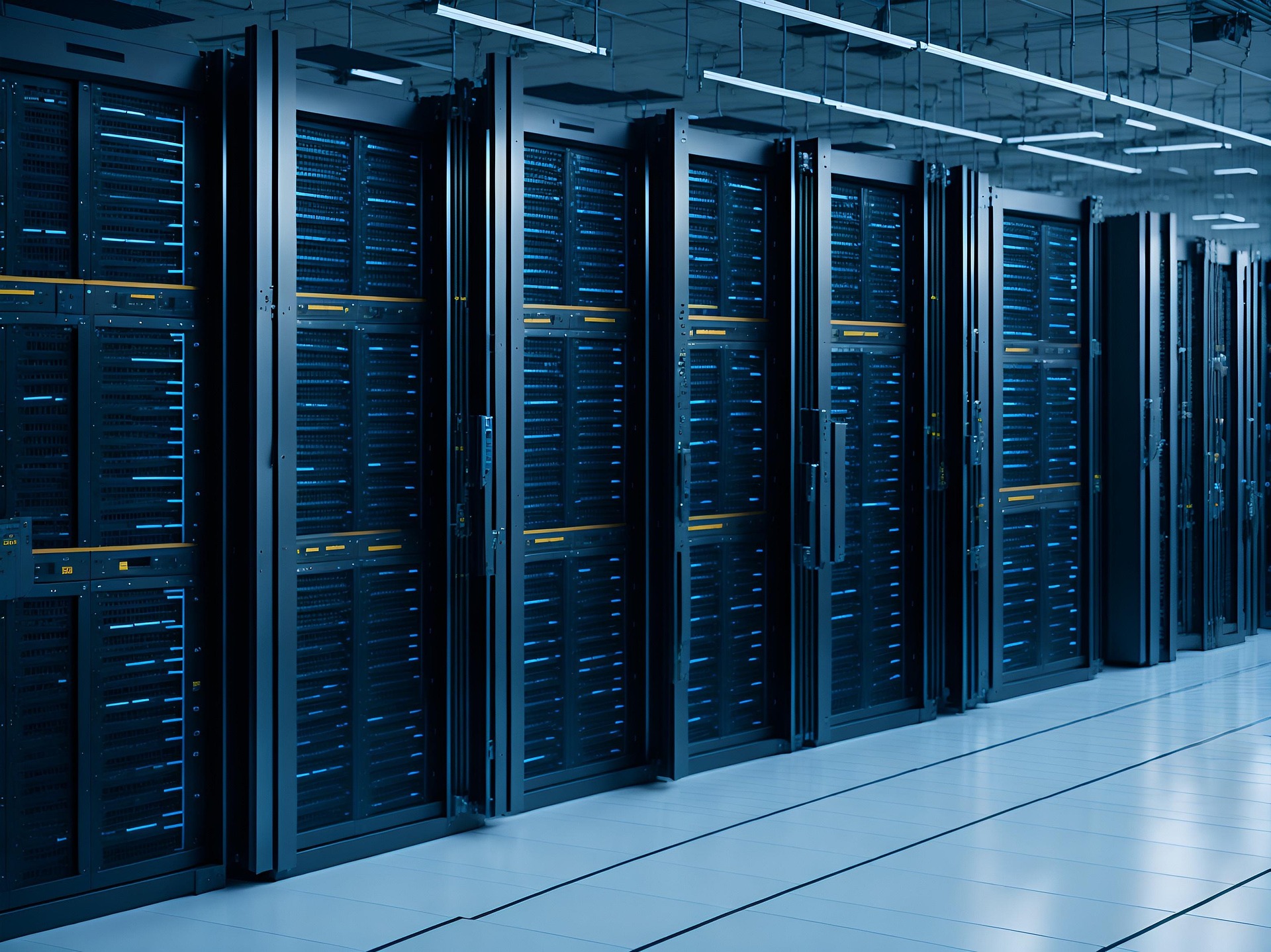
The global development of artificial intelligence is fueling a race to build infrastructure capable of storing and, above all, processing ever-increasing volumes of data. Following several major Asian markets, Vietnam is now seeking to capitalize on this momentum.
The country is seeing a growing number of large-scale data center projects, particularly around Ho Chi Minh City. The city already has around 20 operational facilities, with several new projects currently under consideration. Their scale reflects a significant shift: the objective is no longer simply to meet traditional IT hosting requirements, but to build infrastructure capable of supporting cloud computing and the substantial computing needs of AI.
Investments Worth Billions of Dollars
One of the most significant projects is the SGI-HCM Campus, planned for the Tan Phu Trung Industrial Park. Kinh Bac City is developing the complex in partnership with Accelerated Infrastructure Capital and VietinBank.
The announced investment amounts to approximately $2.1 billion. After receiving its investment registration certificate in July, the project is expected to enter a new phase from the end of August 2026.
Another major project could also emerge. A consortium including UAE-based G42, Microsoft, FPT, Viet Thai and VinaCapital is considering the construction of a vast data center dedicated to artificial intelligence. The proposed investment is estimated at around $2 billion.
Other international players are also positioning themselves in the market. Partnerships involving BW Industrial Development, Warburg Pincus and Digital Realty, as well as Sembcorp, NTT Global Data Centers and CMC, are working on various projects involving investments of several hundred million dollars.
This concentration of capital demonstrates how data centers are gradually becoming a new category of strategic assets for the Vietnamese economy.
Capacity Could Almost Double
The market’s growth prospects largely explain this level of interest. According to estimates from Savills Vietnam, the country’s total capacity could approach 950 MW by 2030, compared with approximately 525 MW in 2025.
At the same time, industry revenues could exceed $3 billion by 2031. With expected annual growth of more than 20%, the market is emerging as one of the most dynamic segments of Vietnam’s digital economy.
Several structural factors are working in the country’s favor. Vietnam has a young population, a rapidly expanding digital market and an economy that is increasingly embracing new technologies. Growing adoption of cloud services and the development of AI are automatically increasing demand for computing capacity.
Major international providers have also been exploring opportunities to establish operations in the country for several years.
Vietnam Opens Its Market Further to Foreign Investors
Regulation is another important driver of growth. Since 2025, foreign investors have been allowed to own 100% of companies providing data center services in Vietnam.
This change makes it easier for international capital and operators to enter a market that requires particularly significant levels of investment. It could also help Vietnam narrow the gap with some of its regional competitors.
In Southeast Asia, Malaysia and Thailand still have a significant lead. However, Vietnam is increasingly appearing in the expansion strategies of major international operators.
With dozens of data centers already operating and numerous projects in development, the country is seeking to establish itself as one of the region’s leading emerging markets.
Electricity Is a Major Challenge for the Sector
Attracting investors, however, depends on more than the price and availability of land. For data centers, access to electricity has become one of the most important factors when choosing a location.
These facilities require enormous amounts of power as well as a stable and uninterrupted electricity supply. The surge in computing requirements associated with artificial intelligence is further increasing this pressure. At the same time, operators are seeking to increase the proportion of renewable energy used to power their infrastructure.
Vietnam will therefore need to ensure that the growth of its computing capacity is matched by improvements to its electricity network. Without sufficient guarantees regarding power availability and reliability, some investments could be delayed or redirected toward competing markets.
International connectivity represents another major challenge. The submarine cable infrastructure connecting Vietnam to the rest of the world will need to keep pace with the increasing volumes of data being exchanged.
Data Is Becoming a New Real Estate Asset
The development of data centers is also transforming the commercial real estate market. These facilities have very different characteristics from traditional offices, warehouses and industrial sites.
They require substantial initial investment, sophisticated technical equipment and high levels of both physical and digital security. Real estate commitments also tend to be long-term, with contracts that can extend over several decades.
Stricter rules concerning data protection and localization could further support demand. Companies are increasingly encouraged to store and process certain types of information within Vietnam, creating additional demand for domestic infrastructure.
Vietnam therefore has a significant window of opportunity. The expansion of its digital economy and the arrival of international investors could enable it to become an important player in Southeast Asia’s digital infrastructure market. Achieving this ambition, however, will largely depend on the country’s ability to provide what data center operators need most: abundant and reliable electricity, high-performance international connectivity and a sufficiently stable regulatory framework.