



| IN A NUTSHELL |
|
In recent developments, the United States has embarked on a bold initiative aimed at addressing one of the planet’s most pressing concerns: carbon dioxide (CO2) emissions. The country is now actively working to absorb atmospheric CO2, a move that arrives at a crucial time as global warming and climate change pose increasing threats to the environment. This initiative is part of a broader effort to combat the adverse effects of CO2 emissions, which are primarily driven by human activities. As the concentration of this gas continues to rise, innovative solutions are emerging to mitigate its impact, promising a significant shift in how we approach environmental conservation.
A New Approach to Carbon Capture
The United States is taking a novel approach to carbon capture with the introduction of a groundbreaking technology developed by Applied Carbon. This U.S. startup has created an agricultural robot capable of converting plant waste into biochar, a substance that securely locks away carbon for decades. This innovative technology addresses the challenge of removing carbon from the atmosphere, a task that is far more complex than its release.
Applied Carbon’s method draws inspiration from an ancient practice used in the Amazon basin for over 2,000 years. By transforming residual biomass into biochar, the company not only aids in carbon sequestration but also enhances soil fertility, potentially increasing crop yields. However, the production of biochar has traditionally been labor-intensive and conducted on-site, posing logistical challenges that could offset its carbon benefits.
By leveraging the properties of biochar, Applied Carbon aims to capture up to 2 billion metric tons of carbon annually. This dual benefit of carbon removal and soil enhancement positions biochar as a pivotal player in the fight against climate change.
Innovative Solutions: Taking the Facility to the Farm
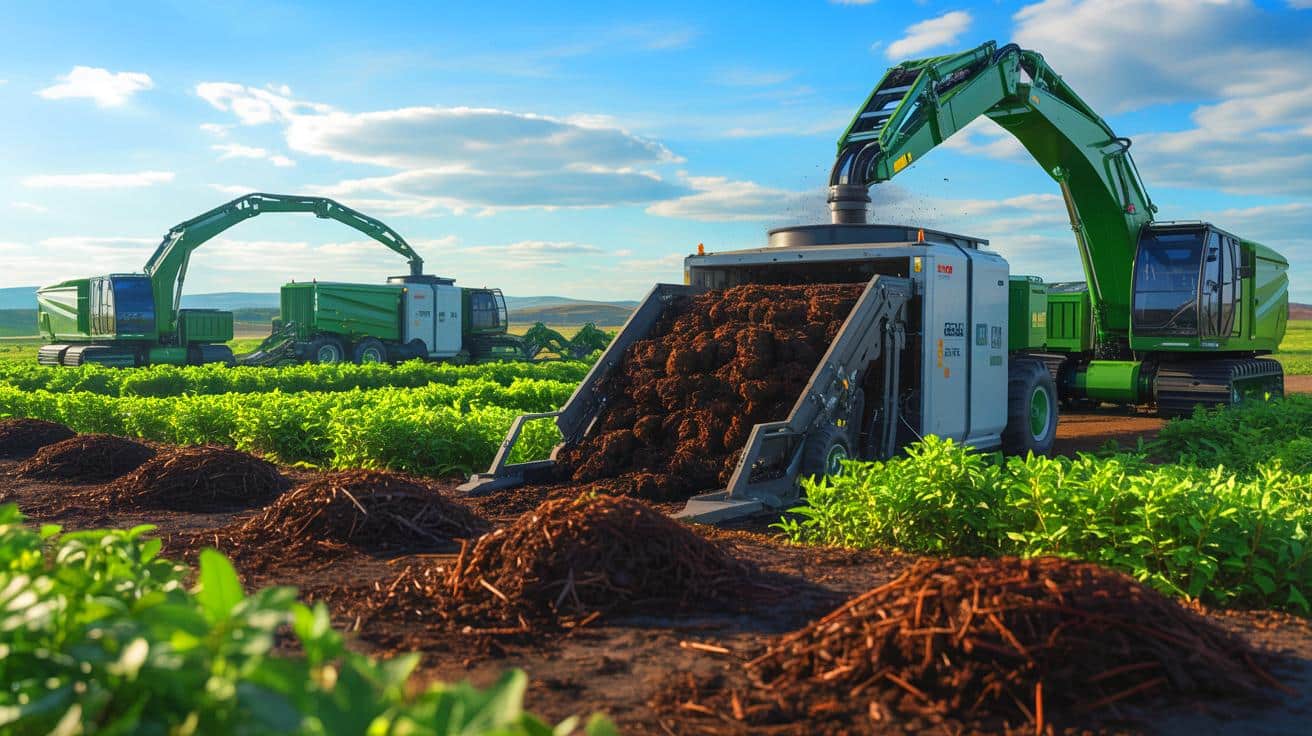
To overcome logistical challenges, Applied Carbon has reversed the typical process by bringing the biochar production facility directly to the farm. This innovative approach involves an agricultural machine that resembles a steampunk design. Towed by a tractor, the machine processes crop residues on-site, converting them into biochar and syngas through a series of steps.
The process begins with the shredding of crop residues, which are then dried using recycled hot gas from the pyrolysis reactor. During pyrolysis, the waste is transformed into biochar and syngas, which powers the machine itself. The resulting biochar is quenched with water and spread onto the soil, effectively closing the loop of carbon capture and soil enhancement.
This approach not only simplifies the biochar production process but also significantly reduces the energy and cost burdens associated with transporting plant waste to a central facility. By focusing on decentralized production, Applied Carbon enhances the feasibility of large-scale biochar implementation.
Understanding the Impact of CO2
Carbon dioxide, although not inherently toxic, poses significant challenges when present in high concentrations. Indoors, CO2 buildup can lead to oxygen displacement, potentially causing asphyxiation. In open environments, its long atmospheric lifespan contributes to global warming, exacerbating the Earth’s climate crisis.
The average concentration of CO2 in the atmosphere stands at approximately 380 parts per million, a figure that continues to rise due to human activity. This increase necessitates innovative approaches to carbon management, such as those being developed by Applied Carbon.
By transforming CO2 into biochar, the United States is taking a proactive stance in mitigating the adverse effects of this greenhouse gas. The focus on sustainable and scalable solutions underscores the nation’s commitment to addressing the climate crisis.
The Road Ahead for Carbon Solutions
As the United States pioneers efforts in carbon capture and biochar production, the potential for significant environmental impact becomes increasingly evident. The innovations by Applied Carbon offer a promising path forward, combining ancient practices with modern technology to address one of the most daunting challenges of our time.
However, the journey is far from over. The scalability of these solutions and their integration into broader agricultural practices remain areas of focus. The success of such initiatives will depend on continued innovation, collaboration, and investment to realize their full potential.
As the world grapples with the complexities of climate change, the question remains: How will other nations and industries respond to the challenge of carbon management, and what role will they play in shaping a sustainable future?

This sounds amazing! How much does a machine like this cost? 💸
Wow, this sounds like a game-changer! How soon can we expect to see this tech in action nationwide?
Biochar sounds like a miracle. What’s the catch? 🤨
Why hasn’t this been implemented on a larger scale before?
The concept is great, but will it be enough to combat climate change? 🌍
I’m curious about what syngas is used for. Can it power other machinery?
As a farmer, I’m intrigued! Where can I sign up? 🚜
This is a game-changer for agriculture and the environment!
How efficient is this machine in terms of energy consumption?
Can the biochar be used in urban gardening too? 🏙️
Could this process be automated further to improve efficiency?
Thanks for the article! This is the kind of innovation we need. 🌟
Are there any potential negative impacts of biochar on the environment?
How does this technology compare to traditional carbon capture methods?
Does anyone know if this tech is patent-protected? 🤔
Will this technology be available to small-scale farmers?
Skepitcal about the “trap carbon forever” part. How does that work exactly?
Hope this catches on globally. We need more of these solutions! 🌎
Is there any government support for farmers adopting this technology?
How long before we see a significant impact on atmospheric CO2 levels?
Great to see farmers getting involved in climate solutions!
The idea is sound, but I wonder about the initial setup costs. 💼
Is this really sustainable in the long term? Seems too good to be true. 🤔
Can this process be applied to other forms of waste, like urban waste?
I’m not convinced. How do we know this isn’t just a temporary fix? 🤔
Seems like a promising solution! What are the next steps for expansion? 🚀
Is the biochar produced in the U.S. only for domestic use? 🤨
Are there any case studies showing the long-term benefits of biochar? 📚
This is a cool concept, but will it really make a dent in CO2 levels?
I’m a bit skeptical. Has this been peer-reviewed? 🤓
Excited to see where this technology goes next! Thanks for sharing! 🌟
Would love to see a video of this machine in action. 🎥
Great read! How can individuals support this initiative? 🙏
This is revolutionary! Thank you for sharing this exciting development. 🙌
Thank you for sharing this! It’s encouraging to see innovative solutions for climate change. 🌱
How does the biochar affect the soil’s pH levels?
How does the cost of this technology compare to traditional farming methods?
Sounds like sci-fi, but I’m all for it. What’s next? Flying tractors? 😄
Is this technology exclusive to the U.S. or will it be available globally?
I hope they can roll this out globally. The planet needs more solutions like this! 🌍
Great initiative! But what’s the carbon footprint of producing these machines? 🤔
Could this technology also be applied to other types of waste, like urban waste?
I hope this becomes the new norm in agriculture! 🌱
How much carbon can one of these machines actually capture in a year?
How long does the whole conversion process take on-site?