




| IN A NUTSHELL |
|
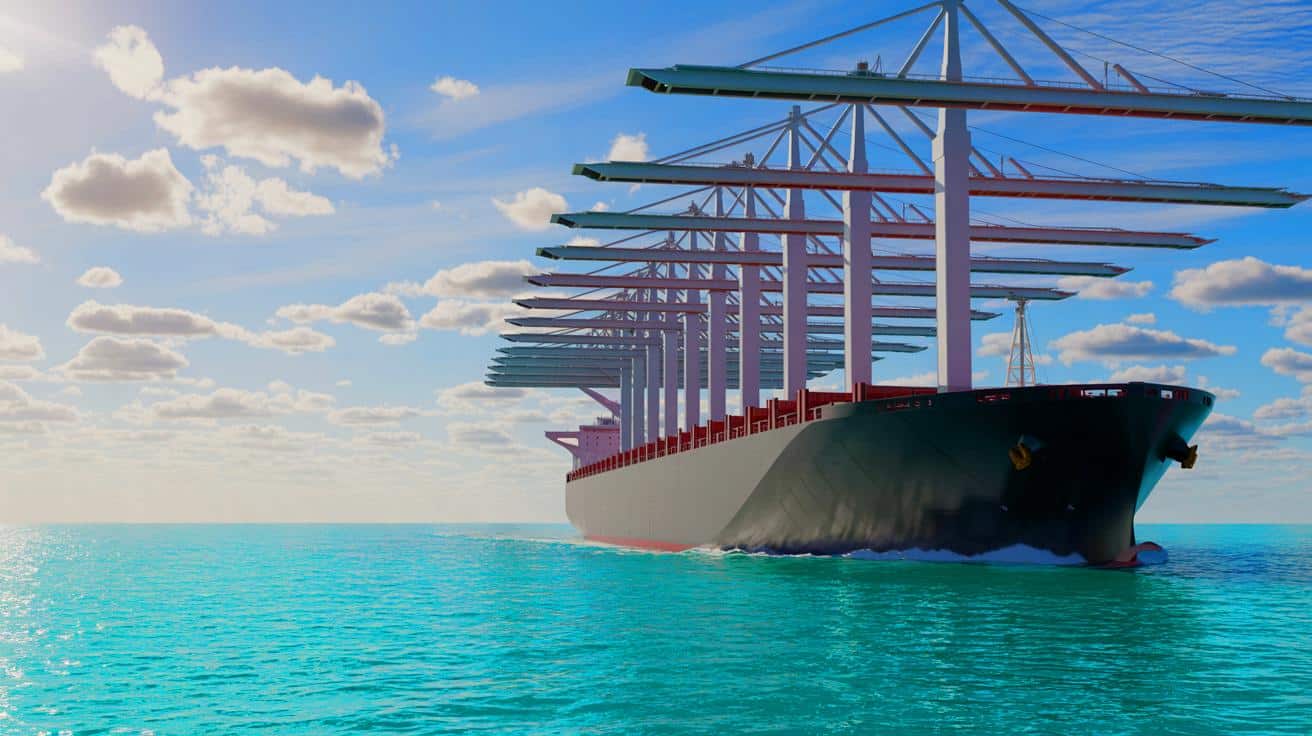
In a significant development for the maritime industry, the Grand Pioneer, a 325,000 deadweight-ton ore carrier, has been equipped with four enormous rotor sails to aid in wind-assisted propulsion. This innovative stride, undertaken by Anemoi Marine Technologies in collaboration with U-Ming Marine Transport Corporation, aims to significantly decrease fuel consumption and emissions along long-haul routes between Brazil and China. The installation was completed at the COSCO Zhoushan shipyard in China, marking a notable step toward sustainable shipping. This initiative not only reflects a commitment to environmental stewardship but also highlights the potential for wind-assisted technologies to transform the shipping industry.
Giant Sails to Cut Emissions
The Grand Pioneer now boasts four rotor sails, each standing an impressive 114 feet tall. Supplied by Anemoi, these sails were transported fully assembled and installed quickly using a plug-and-play method. This efficient process ensured that the sails were secured within two days, with an additional five days dedicated to testing and commissioning. The rotor sails operate on the principle of the Magnus effect, generating thrust by creating a pressure difference as they spin in the wind. This allows the vessel to rely less on conventional fuel oil, leading to reduced operating costs and emissions.
Projected to deliver annual fuel savings of up to 12 percent, the rotor sails are expected to make a substantial impact on the Grand Pioneer’s carbon footprint. By leveraging wind power, the shipping industry can take a significant step toward reducing its environmental impact. This initiative aligns with broader global efforts to achieve sustainability and combat climate change, setting a precedent for other shipping companies to explore similar technologies.
Harnessing the Wind
The installation and operational processes were meticulously overseen by Anemoi’s specialist team. Their expertise ensured that the ship’s crew was well-prepared to manage the new system. The rotor sails feature a folding design, allowing them to tilt when necessary, providing additional operational flexibility. This adaptability is crucial for port operations and when navigating under bridges.
Jeff Hsu, U-Ming’s vice chairman, emphasized the strategic significance of this collaboration with Anemoi. He highlighted the initiative's role in reducing emissions, enhancing operational efficiency, and delivering long-term value. The Grand Pioneer, under a charter with Brazilian mining company Vale, is anticipated to achieve annual fuel and emissions reductions between 10 and 12 percent. This achievement underscores the potential of wind propulsion as a critical pathway toward lower-emission shipping.
“They’ve Been Hiding This Monster”: Student Discovers 23 Foot Killer Dinosaur In Museum Storage
Pioneering Sustainability in Shipping
As the first Taiwanese shipowner to deploy rotor sails, U-Ming Marine Transport Corporation is setting a new standard in sustainable shipping. Clare Urmston, Anemoi’s CEO, expressed pride in delivering another successful rotor sail installation. She noted that the technology minimizes time in the yard and maximizes value for customers. This innovation reflects a growing momentum behind wind propulsion as essential for the future of shipping.
The Grand Pioneer’s journey into wind-assisted propulsion is more than a technological achievement; it represents a commitment to the industry's shared ambition of achieving net zero emissions by 2025. This pioneering effort by U-Ming and Anemoi could serve as a catalyst for change, encouraging other industry players to adopt similar eco-friendly technologies.
Future Implications for Global Trade
The introduction of rotor sails on the Grand Pioneer could have far-reaching implications for global trade. By reducing reliance on fossil fuels, the shipping industry can significantly decrease its environmental impact, contributing to global sustainability goals. This development also presents economic advantages, as reduced fuel consumption translates to lower operational costs.
As global trade continues to expand, the shipping industry faces mounting pressure to adopt sustainable practices. The integration of wind-assisted technologies like rotor sails offers a viable solution. It raises important questions about the future of shipping and the potential for widespread adoption of similar innovations. How will the industry balance economic growth with environmental responsibility, and what role will wind propulsion play in shaping the future of maritime transport?


Wow, 114-foot sails! Are they visible from space? 🚀
Wow, 114-foot sails! That’s taller than most buildings. Do they come with a parachute in case they tip over? 😂
How does the Magnus effect actually work in these sails? Can someone explain?
How does the installation of these rotor sails affect the stability of the ship, especially in rough seas?
This is a great step forward for shipping sustainability. Kudos to Anemoi and U-Ming! 👏
This sounds like a great initiative for reducing emissions. It’s about time the shipping industry caught some wind! 🌬️🚢
12% savings is impressive, but what about maintenance costs for these sails?
12% fuel savings is impressive! But how does it impact the ship’s speed?
Are there any potential downsides to using rotor sails? 🤔
Could these sails be used on smaller vessels, or are they only suitable for large ore carriers like the Grand Pioneer?
Can these sails be used on smaller vessels too?
Thank you for covering this! The shipping industry needs more green initiatives like these.
Hope this doesn’t mean less pirate sightings. 😅