




| IN A NUTSHELL |
|
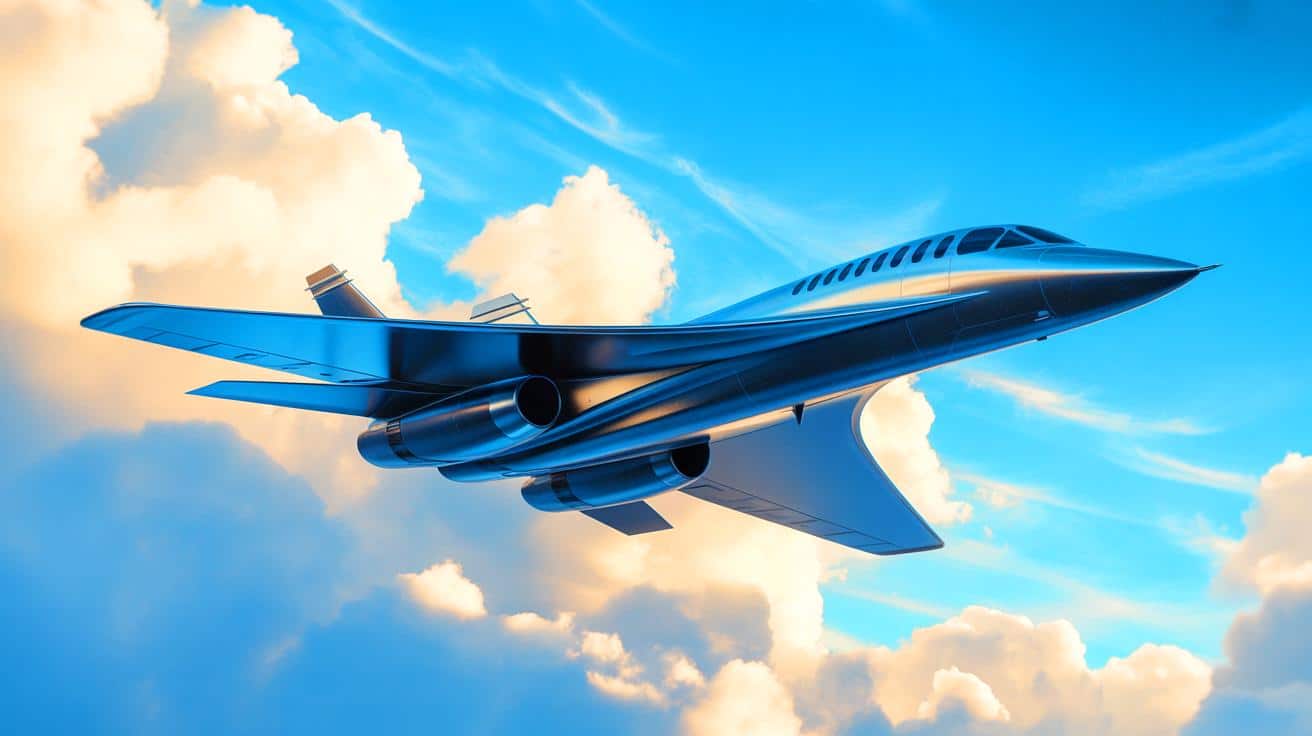
In the realm of modern aviation, the quest for faster, more efficient air travel has taken a significant leap forward. Spike Aerospace, a Boston-based company, is making headlines with its ambitious project: the Spike S-512 Diplomat. This supersonic business jet aims to revolutionize long-distance travel by cutting the journey from New York to Paris to under four hours. With a focus on minimizing the disruptive sonic boom that has long been a barrier to supersonic flights over land, Spike Aerospace is poised to change the landscape of air travel. The potential implications for business, government, and leisure travel are substantial, promising a future where global connectivity is significantly enhanced.
Engineering Quiet Supersonic Travel
Since 1973, supersonic flights over U.S. territory have been banned due to noise concerns. Spike Aerospace is determined to change this narrative with its Spike S-512 Diplomat. The company is focusing on developing “quiet supersonic” technology that would enable regulators to reconsider these longstanding restrictions. The aircraft is engineered to achieve high speeds without the disruptive sonic boom traditionally associated with supersonic travel. “Our goal is to redefine long-distance travel for business and government leaders,” says Vik Kachoria, president and CEO of Spike Aerospace. The S-512 is designed as a private jet, offering a blend of speed, comfort, and privacy, tailored to high-end business travelers and government officials seeking efficiency in international travel.
Engineers at Spike Aerospace are working on refining the airframe’s shape to achieve a “low-boom” signature. This innovation could be a game-changer, as it addresses one of the primary barriers to supersonic flight over land. If successful, this capability will distinguish the S-512 in the competitive business aviation market. The company is building on years of research and development, incorporating numerous design changes to enhance the jet’s performance and noise reduction capabilities.
Reimagining Long-Haul Travel
The prospect of traveling from New York to Paris in under four hours is an enticing one, and Spike Aerospace is pulling out all the stops to make it a reality. The company is collaborating with aerospace professionals from major manufacturers, industry suppliers, and academic institutions to accelerate the project’s development. This collaborative effort is crucial for design work, certification planning, and preparing the S-512 for market entry. The company is also undergoing a brand refresh, launching a redesigned website to highlight the jet’s technological advancements and development milestones.
Supersonic passenger travel has not been available since the Concorde’s retirement in 2003. While the Concorde achieved speeds exceeding twice the speed of sound, its limited range, high operating costs, and environmental impact led to its withdrawal from service. Spike Aerospace aims to overcome these challenges with the S-512 by employing more efficient engines, advanced materials, and innovative noise-reducing designs. The company envisions a future where global cities are more interconnected, facilitating faster business, diplomatic, and leisure travel.
Balancing Speed and Efficiency
One of the key selling points of the Spike S-512 Diplomat is its potential to balance speed and efficiency. The company claims improvements in fuel economy compared to earlier supersonic designs, a critical factor in making supersonic travel more sustainable and economically viable. Although specific details on cruise speeds, range, and entry-into-service dates have not been released, the company’s commitment to reintroducing supersonic flight for commercial and private use is clear. Spike Aerospace envisions a world where distances are shortened, and opportunities for global engagement are expanded.
The S-512 Diplomat is designed to operate on routes once deemed impossible for supersonic jets. “The S-512 Diplomat will be quiet, sustainable, and capable of operating on routes that were once thought impossible for supersonic jets,” Kachoria stated. As the project progresses, the aviation industry and potential customers eagerly await further details on the jet’s capabilities and the timeline for its debut.
Overcoming Regulatory Challenges
While the technological advancements in supersonic travel are promising, regulatory challenges remain a significant hurdle. Supersonic flights over land are currently restricted due to noise concerns, and gaining approval for overland routes will be crucial for the success of the S-512. Spike Aerospace is actively working to meet stringent noise standards, which could pave the way for regulators to lift the existing bans. This achievement would open new flight routes and significantly reduce travel times for long-haul journeys.
The company is hopeful that its efforts will lead to a shift in regulatory perspectives, allowing supersonic travel to become a viable option for business and leisure travelers alike. As Spike Aerospace continues to innovate and push the boundaries of what’s possible in aviation, the potential for faster, quieter, and more efficient travel becomes increasingly tangible. The question remains: How will the world adapt to the possibilities of supersonic travel, and what impact will it have on global connectivity?




Wow, NYC to Paris in under 4 hours? That’s faster than my morning commute! 🚀
How will they manage to keep the noise down? Is it really going to be as quiet as they claim?
Finally, a supersonic jet that won’t scare the cows! 🐄✈️
What about ticket prices? Will this be affordable for regular travelers or just the 1%?
Sounds like science fiction coming to life! Can’t wait to see it in action. 🤩
Will the S-512 be available for commercial flights, or just private charters?
Are there any environmental concerns with this new jet? 🌍
Is it true that it will have a “low-boom” signature? How does that work?
Thank you for sharing this exciting development in aviation! ✈️
When can we expect the first flight of the Spike S-512?