


Rising global temperatures, more frequent heatwaves, changing rainfall patterns and melting glaciers are among the environmental transformations studied by climatologists. Their work focuses on understanding the mechanisms that shape the Earth’s climate, identifying long-term trends and assessing how human activities influence the global climate system.
Unlike meteorologists, who primarily forecast weather conditions over the coming hours or days, climatologists examine changes over much longer periods, often spanning decades or centuries. Their research helps distinguish natural climate variability from persistent trends associated with global warming.
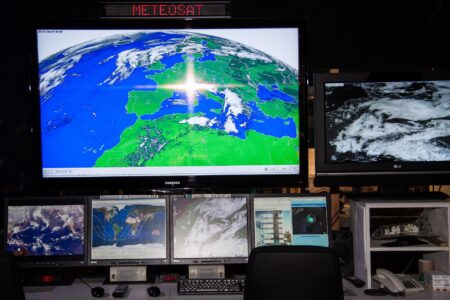
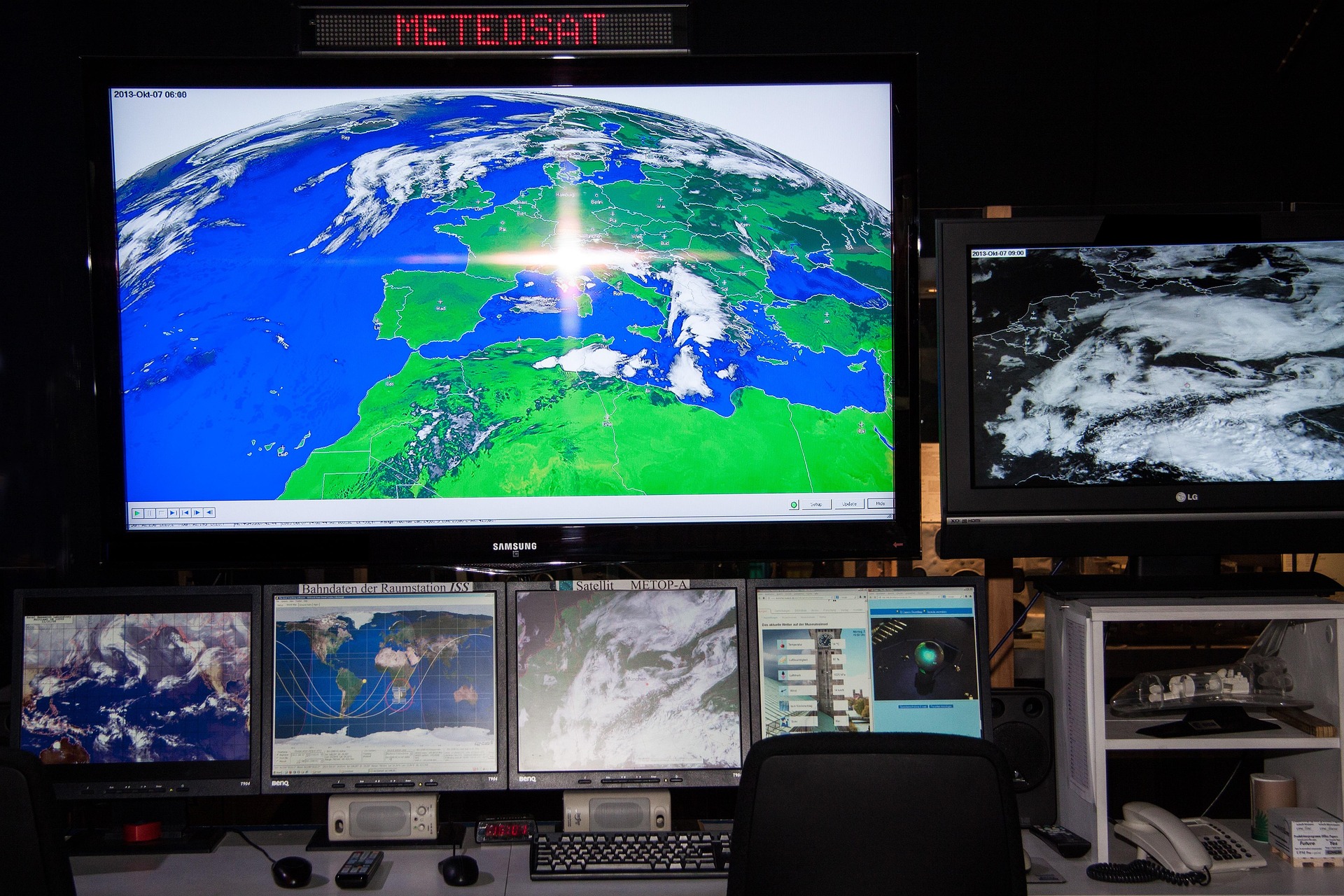
To achieve this, they combine observations, statistical analysis and computer simulations, drawing on information collected from weather stations, satellites, ocean measurements and historical climate records.
Analyzing Climate Data to Understand Long-Term Trends
One of the main responsibilities of a climatologist is to collect and interpret large quantities of environmental data. Temperature records, precipitation levels, atmospheric greenhouse gas concentrations and ocean temperatures are among the indicators used to monitor changes in the climate.
Scientists also rely on information preserved in natural archives. Ice cores extracted from polar regions, for example, contain traces of ancient atmospheric conditions, while tree rings and sediment layers provide valuable evidence of past climatic variations.
By comparing these different sources, climatologists can reconstruct the evolution of the climate over thousands of years and identify the factors responsible for major changes.
Computer models are another essential part of their work. These sophisticated tools simulate interactions between the atmosphere, oceans, land surfaces and ice sheets. Researchers use them to explore how the climate may respond to different levels of greenhouse gas emissions.
Such projections do not predict the exact weather on a particular day decades into the future. Instead, they estimate possible long-term changes in temperature, rainfall and other climatic conditions under different scenarios.
Helping Societies Prepare for Climate Risks
Climatologists do more than study environmental changes. Their findings also support decisions that affect agriculture, infrastructure, public health and economic development.
In agriculture, climate research helps identify regions likely to experience more frequent droughts, changes in growing seasons or increasing water shortages. Farmers and agricultural authorities can use this information to adapt crop choices, irrigation practices and land management strategies.
Urban planning is another important area of application. As cities become increasingly exposed to extreme heat and heavy rainfall, climatologists work with engineers and local authorities to assess vulnerabilities and develop adaptation strategies.
Their research can help guide decisions about building standards, flood protection, green spaces and water management.
The energy sector also relies on climate expertise. Understanding future wind patterns, temperature changes and water availability can help electricity producers assess the long-term performance of renewable energy facilities and the resilience of existing infrastructure.
Similarly, insurance companies and financial institutions increasingly use climate risk assessments to evaluate the potential exposure of buildings, businesses and investments to extreme weather events.
An Important Contribution to Climate Policy
Climate research plays a central role in international environmental discussions. Organizations such as the Intergovernmental Panel on Climate Change (IPCC) bring together scientific findings from researchers around the world to assess the causes, consequences and possible future evolution of climate change.
Climatologists contribute to this scientific knowledge by publishing research, reviewing evidence and improving climate models.
Their findings help policymakers understand the potential consequences of different greenhouse gas emission pathways and evaluate the benefits of reducing emissions.
However, climatologists do not determine political decisions. Their responsibility is to provide reliable scientific information, explain uncertainties and clarify the potential consequences of different choices.
Communicating these findings to the public is also an important part of the profession. Climate science involves complex processes, and researchers must often explain why individual weather events cannot automatically be attributed to climate change, even when global warming can influence their likelihood or intensity.
A Profession Combining Science, Technology and Research
Becoming a climatologist generally requires a strong academic background in environmental science, atmospheric physics, mathematics, geography or a related discipline.
Many specialists pursue postgraduate studies, often completing a master’s degree or doctorate before joining research institutions, universities, meteorological agencies or environmental organizations.
The profession increasingly relies on advanced computing, statistical methods and programming skills. Climatologists frequently work with large datasets and use specialized software to analyze observations and run climate simulations.
Collaboration is another essential aspect of the job. Climate processes cross national borders and involve interactions between numerous environmental systems. Researchers therefore regularly participate in international projects involving oceanographers, physicists, geologists, ecologists and other specialists.
As climate-related challenges become more complex, demand for scientific expertise is expanding beyond academic research. Public authorities, consulting firms, energy companies and organizations responsible for infrastructure planning all benefit from a better understanding of long-term climate risks.
Ultimately, climatologists provide something essential in an uncertain environmental context: the scientific knowledge needed to distinguish short-term fluctuations from lasting transformations. Their research helps societies understand the changes already underway, anticipate future challenges and make better-informed decisions about the decades ahead.