



| IN A NUTSHELL |
|
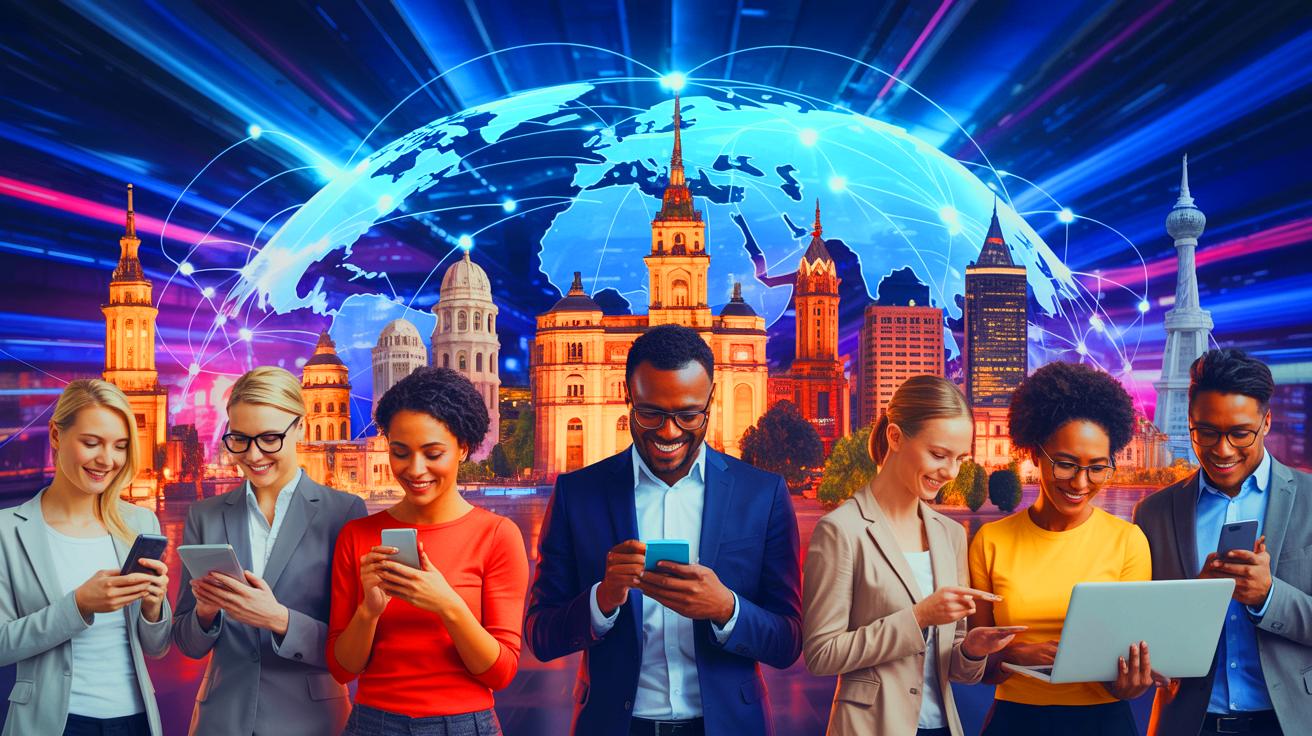
In an increasingly interconnected world, the role of digital communication has never been more vital. The global landscape is dotted with countries, each bringing unique cultural, economic, and scientific contributions. This digital tapestry serves as a backdrop for a growing curiosity and need for understanding across borders. As international boundaries shrink in the face of technological advancement, the way we consume information and interact with one another is evolving. The demand for accurate, engaging, and educational content is at an all-time high, driving a new era of global engagement and curiosity. What does this mean for the future of international communication and science dissemination?
The Global Stage of Communication
Communication technology has transformed the way people engage with the world. From Australia to Zimbabwe, countries are now linked more closely than ever before. This interconnectedness allows for a rapid exchange of ideas, cultures, and innovations. With the click of a button, information can be shared across continents, fostering a global dialogue that was unimaginable just a few decades ago. The rise of digital platforms enables voices from diverse backgrounds to contribute to global conversations, enriching the tapestry of human knowledge.
However, this interconnectedness also presents challenges. Misinformation can spread as quickly as facts, creating a complex environment for digital literacy. The responsibility falls on both content creators and consumers to ensure that the information shared is accurate and beneficial. In this landscape, the role of trusted media outlets becomes crucial in maintaining the integrity of information dissemination.
From charts to conversations: a real review of Hint App, The Pattern, and TimePassages
The Rise of Curiosity-Driven Content
As people become more curious about the world, there is an increasing demand for content that informs and inspires. Science, in particular, has seen a surge in public interest. People want to understand the complexities of the universe and the intricacies of the human mind. This curiosity is reflected in the growing popularity of science-focused newsletters and publications. These platforms aim to make science accessible and engaging to a broad audience, breaking down complex topics into digestible formats.
Science communication today goes beyond just sharing facts; it involves storytelling and connecting with audiences on an emotional level. By doing so, it fosters a deeper understanding and appreciation for the wonders of the world. This approach not only educates but also inspires future generations to pursue careers in science and technology, ensuring a continuous cycle of discovery and innovation.
Challenges in International Content Distribution
While the potential for international communication is vast, several barriers must be overcome to ensure effective content distribution. Language differences, cultural sensitivities, and varying levels of technological access can impede the flow of information. Content creators must be mindful of these factors when crafting messages for a global audience. Tailoring content to resonate with different cultural contexts is essential for engaging diverse populations effectively.
Moreover, the digital divide remains a significant obstacle. While some regions enjoy state-of-the-art communication infrastructure, others struggle with basic internet access. Bridging this gap is crucial for ensuring that all voices are heard and that information is accessible to everyone, regardless of geographic location. Efforts to improve global connectivity must continue to address these disparities.
The Future of Science Communication
As we look to the future, the importance of effective science communication cannot be overstated. The challenges facing our world—climate change, pandemics, and technological ethics—require informed public engagement. Science communicators play a vital role in translating complex research into actionable knowledge. By fostering a scientifically literate society, we empower individuals to make informed decisions that impact not only their lives but the global community.
In this evolving landscape, collaboration between scientists, journalists, and educators is essential. By working together, they can create compelling narratives that capture the public’s imagination while grounding them in scientific evidence. This synergy is vital for navigating the challenges of tomorrow and ensuring a more informed and curious global society.
The landscape of global communication and science dissemination is rapidly changing. As we navigate this digital age, the responsibility to share accurate and engaging information has never been greater. How will we rise to the challenge of fostering a more informed and interconnected world?


Wow, the earth bending like a bow? That’s some serious archery skills! 🎯
Finally, someone using Google Maps for something other than just avoiding traffic.
Does this mean Google Maps is the new Galileo? 🤔
I’m curious, how accurate are these Google Maps calculations?
Great article! Thanks for debunking flat-earth claims with real science.
Wait, does this mean I need to recalibrate my GPS? 😅
How exactly did they calculate the distances? Is there a guide?
Hmm, seems like a lot of effort just to prove the earth isn’t flat. 🌎
I never thought Google Maps could be used for science experiments!
What’s next, using Waze to prove the moon is round? 😂
Can we get more details on the methodology used in the calculations?