



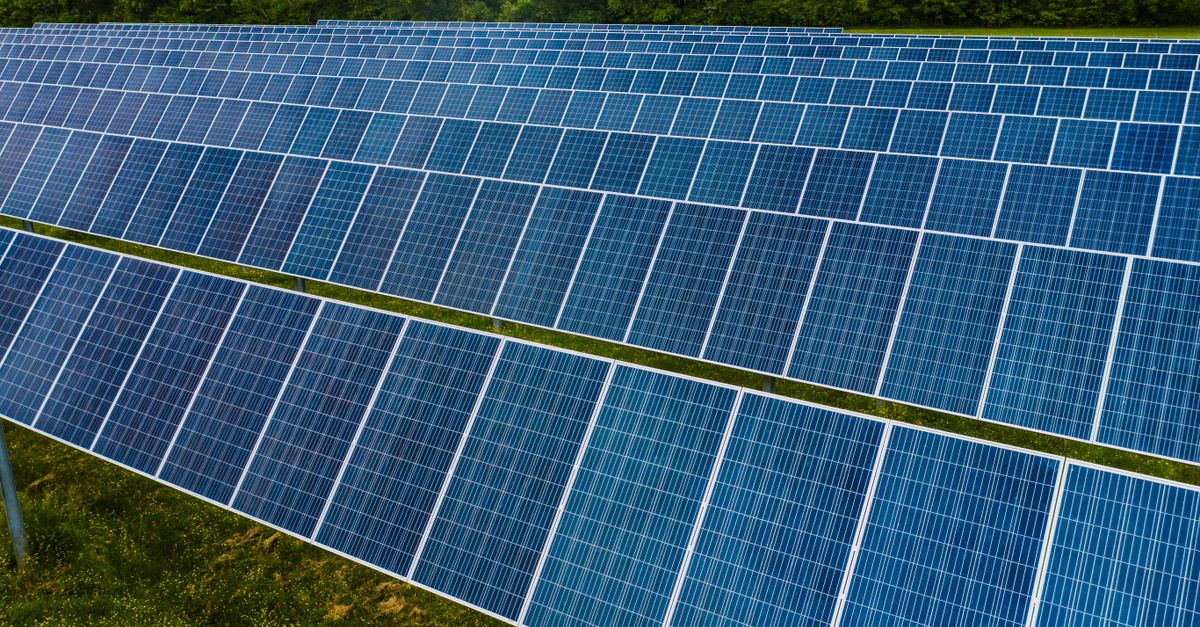
Solar power has become one of the most dynamic sectors of the global energy industry. From residential rooftops to large-scale solar farms, photovoltaic installations are expanding across developed and emerging economies.
The technology works by converting sunlight directly into electricity through photovoltaic cells. Unlike conventional power plants that burn coal or natural gas, solar panels generate electricity without producing direct greenhouse gas emissions during operation.
Over the past decade, advances in manufacturing and economies of scale have significantly reduced the cost of solar equipment. As a result, solar electricity has become increasingly competitive with traditional energy sources in many parts of the world.
Economic opportunities and technological progress
The rapid development of solar energy is creating new opportunities for businesses, governments and households. Companies are investing in solar installations to reduce their exposure to fluctuating electricity prices, while homeowners are increasingly considering rooftop panels as a way to lower their energy bills.
Governments are also supporting the sector through renewable energy targets, financial incentives and infrastructure investments.
Technological innovation remains a major driver of growth. Manufacturers continue to improve solar panel efficiency, allowing installations to generate more electricity from the same surface area. Meanwhile, advances in battery storage are making it easier to use solar power when sunlight is unavailable.
These developments are particularly important for countries seeking greater energy independence and more diversified electricity supplies.
Challenges remain for the solar industry
Despite its advantages, solar energy faces several obstacles. Electricity production depends on weather conditions and daylight hours, creating challenges for grid operators responsible for maintaining a reliable power supply.
Expanding solar capacity therefore requires investments in electricity networks, energy storage and flexible power generation.
Land availability and environmental considerations can also complicate the development of large solar farms. In response, some countries are encouraging rooftop installations, agrivoltaics and projects that combine solar panels with existing infrastructure.
Another concern is the geographical concentration of solar panel manufacturing, which raises questions about supply chain security and industrial competitiveness.
A central role in the future energy mix
Solar energy is expected to remain a major contributor to the expansion of renewable electricity worldwide. Its long-term development will depend not only on continued technological improvements but also on the ability of governments and energy companies to modernize electricity systems.
While solar power alone cannot meet every energy need, its growing competitiveness and versatility make it an important component of strategies to reduce emissions and strengthen energy security.
The challenge now is to transform rapid growth in installed capacity into reliable, affordable and sustainable electricity for consumers and businesses.