



| IN A NUTSHELL |
|
In a world increasingly aware of health challenges, animals are now facing a surge in chronic diseases previously thought to mostly affect humans. This development raises questions about the shared environmental and genetic factors influencing health across species. Recent studies suggest that the same modern lifestyle changes affecting human health are also impacting animals, from household pets to marine species. As these trends become more apparent, the scientific community is calling for a broader understanding of the factors driving this rise in non-communicable diseases (NCDs) among animals. This growing concern highlights the need for interdisciplinary research to better grasp the implications for both animal and human health.
Genetic and Environmental Drivers of Disease
Recent research led by animal scientist Antonia Mataragka from the Agricultural University of Athens sheds light on the genetic and environmental factors contributing to the rise of chronic diseases in animals. Her study reviews existing literature and highlights that genetic predispositions significantly increase disease risk in some animal populations. For instance, dogs and cats selectively bred for specific traits often show higher rates of conditions such as diabetes and mitral valve disease. Similarly, livestock bred for productivity exhibit increased susceptibility to chronic illnesses.
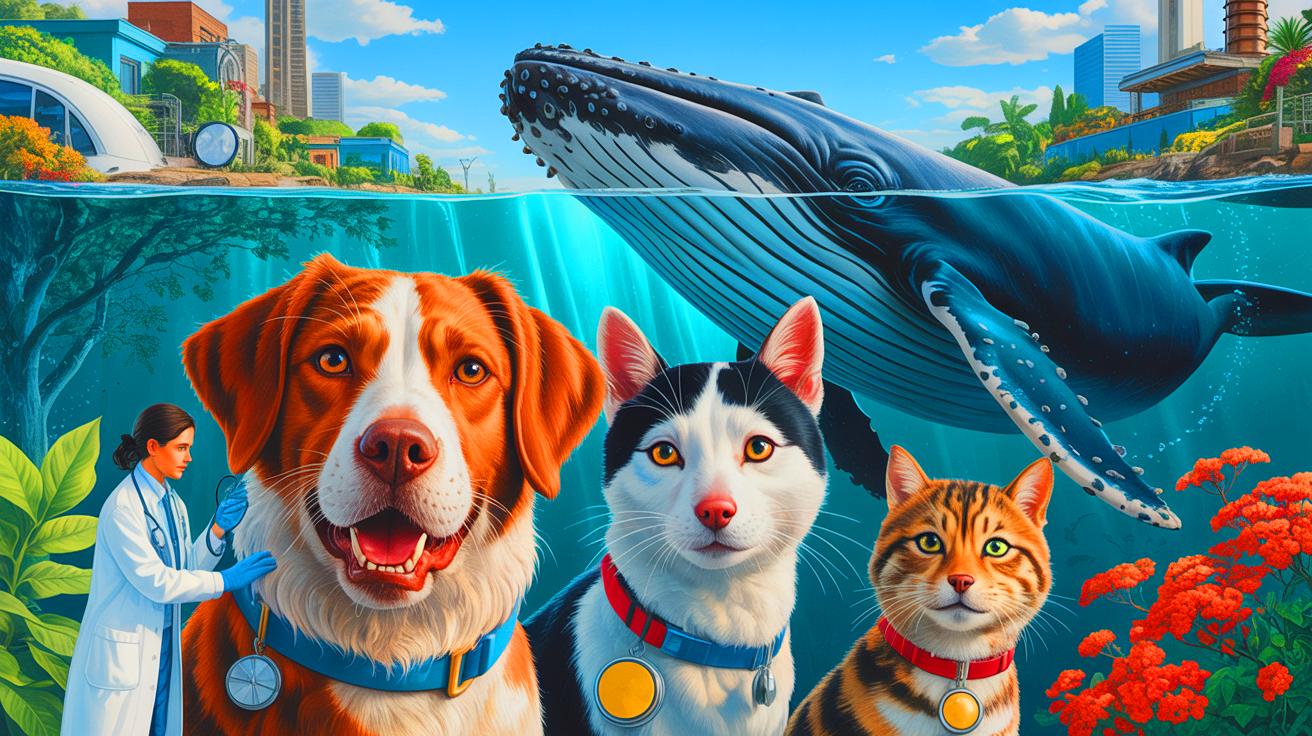
Environmental factors also play a substantial role in the development of these diseases. Poor diet, limited physical activity, and long-term stress are significant contributors. Obesity is a growing concern among domestic pets, with surveys estimating that 50-60% of cats and dogs are overweight. This has led to a corresponding rise in conditions like feline diabetes. In agricultural settings, intensive farming practices result in about 20% of pigs developing osteoarthritis, while marine animals such as beluga whales and farmed Atlantic salmon face their own health challenges, including cancers and cardiomyopathy syndrome.
Environmental Change Intensifies Disease Risk
Human-driven changes to the environment are further exacerbating these health issues. Urbanization, climate disruption, and land conversion increase the exposure of animals to harmful conditions. For example, rising ocean temperatures and the degradation of coral reefs are linked to higher tumor rates in marine turtles and fish. In urban areas, companion animals are affected by rising temperatures and poor air quality, leading to obesity and immune disorders. Chemicals from industrial activities also impact wildlife, with endocrine function in birds and mammals being notably affected.
According to Mataragka, the lack of early diagnostic systems compounds these challenges by delaying the detection of NCDs in animals. While organizations like the World Health Organization provide extensive data on human NCDs, similar statistics for animals are scarce, highlighting the need for more comprehensive research. Enhanced surveillance in veterinary health is essential to understanding and addressing these growing health concerns.
Understanding Disease Patterns Across Species
The study by Mataragka assesses the prevalence of NCDs across various animal groups, identifying specific risk factors that contribute to disease development. It proposes mitigation strategies that operate at multiple levels, including individual, population, ecosystem, and policy. Climate change, habitat degradation, pollution, and dietary imbalances are identified as major forces increasing vulnerability among pets, livestock, and wildlife. These factors not only affect individual animal health but also have broader implications for ecosystem stability and human health.
The study’s findings underscore the importance of addressing these interconnected issues through coordinated efforts. By focusing on the shared drivers of chronic illness, researchers and policymakers can develop strategies to reduce disease risks across species and improve overall health outcomes.
Linking One Health and Ecohealth Approaches
Mataragka’s research introduces a model that integrates One Health and Ecohealth frameworks, which traditionally operate independently. Both frameworks emphasize the interconnectedness of human, animal, and environmental well-being. By combining these perspectives, the model illustrates how genetic susceptibility intersects with environmental and socio-ecological pressures to drive disease.
This integrated approach aims to support more coordinated monitoring of animal, human, and ecosystem health. By identifying early warning signs of rising NCDs, the model seeks to facilitate timely interventions. Recognizing the shared challenges faced by different species could lead to more effective policies and practices that mitigate disease risks and promote health across the board.
The rise in chronic diseases among animals is a pressing issue that underscores the interconnectedness of human, animal, and environmental health. As researchers continue to explore the factors driving these trends, the need for a comprehensive understanding becomes increasingly clear. How can we leverage this knowledge to create healthier environments for all living beings and ensure a sustainable future?




Fascinating article! Are there any specific animal species that are more prone to these diseases? 🤔
Fascinating article! I never knew animals were suffering from similar chronic diseases as humans. What can we do to help? 🤔
Fascinating read! Are we seeing the same trend in wild animals, or is it mostly pets and livestock? 🐕🐄
Great work, but I am skeptical about how accurately we can compare animal and human diseases.
Thank you for shedding light on this critical issue! 🌍
This is really eye-opening. Are there any specific policies being proposed to address these issues?
Thanks for shedding light on this issue! It’s crucial to understand the shared challenges we face with animals.
The connection between human and animal health is mind-blowing. How can we contribute to this research as individuals? 🤔
So, are we saying my cat could get diabetes just like humans do? 😮
Does this mean my cat’s laziness might be due to more than just being a cat? 🐱
This is an eye-opener. Makes you wonder about the impact of climate change on our pets.
Interesting article, but I wonder how reliable the data really is. Are there enough studies on this topic?
Thanks for shedding light on such an important topic. Our pets deserve better care! 🐶
Why hasn’t this issue been more in the spotlight before? Seems like it should be a bigger deal!
Great insights! I never realized how similar our health issues are to animals’.
Interesting read! Is there any mention of how we can help mitigate these diseases in pets?
Interesting read, but I’m skeptical about the extent of the problem. Are there any contrasting studies?
Wait, so my cat could get diabetes from eating too many treats? 😱
Good article, but I feel like it oversimplifies the genetic factors involved. Anyone else?
Are there any specific breeds of pets that are more prone to these diseases?
This is a wake-up call! We need to change our habits to protect all species.
This is so important! We need more interdisciplinary research to tackle these problems. 🌍
Thank you for the insight! Wondering if these findings could affect how we breed pets in the future?
How exactly are human lifestyle changes impacting marine species? That’s a bit hard to believe.
I’m skeptical about the One Health model. Can it really make a difference?
Are there any preventive measures being suggested for pet owners?