


A low-carbon source of electricity
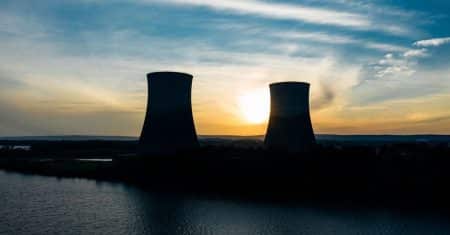
A nuclear power plant produces electricity without burning coal, oil or gas. As a result, it releases very little carbon dioxide while operating. Emissions do occur across the plant’s life cycle, including during construction, uranium mining and fuel processing. However, the International Energy Agency identifies nuclear power as a major low-emissions source that can help decarbonise electricity systems.
That distinction matters. Comparing only emissions from power plants during operation leaves out the energy and materials needed to build and supply them. Life-cycle assessments include these stages. The United Nations Economic Commission for Europe’s assessment finds that nuclear power remains a low-carbon option when its wider life cycle is considered.
By replacing electricity from fossil fuels, nuclear generation can help reduce emissions from the power sector. Its contribution depends on what it replaces and how the wider electricity system operates.
A compact land footprint
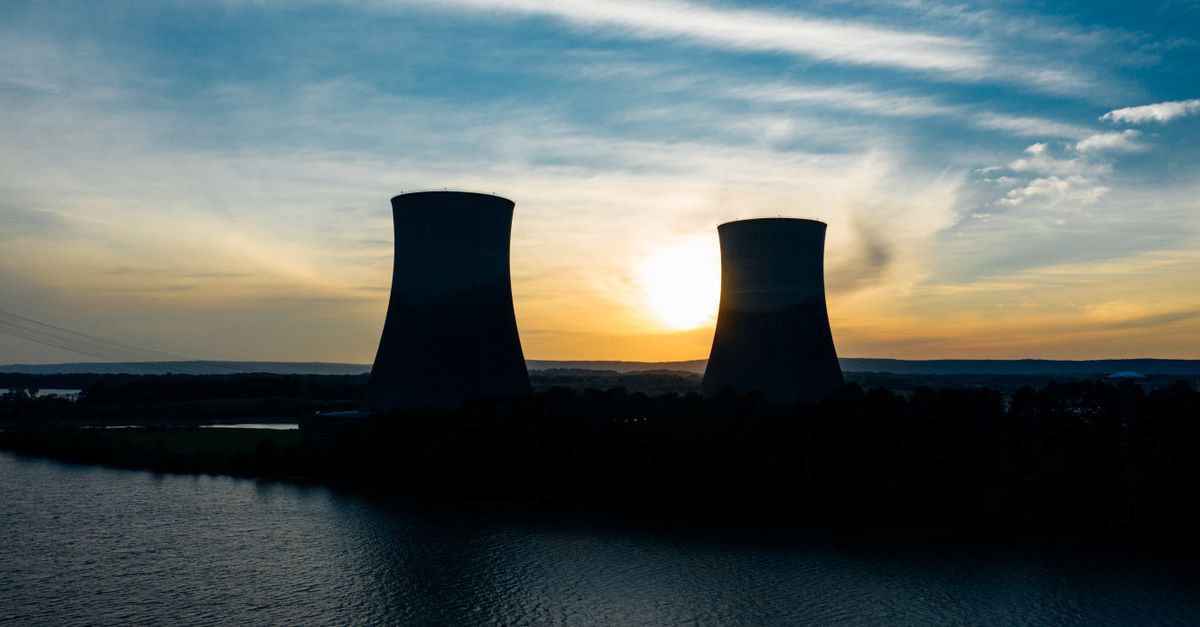
Nuclear plants generate a large amount of electricity from a relatively small site. A UNECE life-cycle assessment also found low land occupation for the nuclear technologies it studied, including the land associated with the wider supply chain. This can matter in regions where energy infrastructure competes with farming, housing or natural habitats.
A compact footprint does not mean that a nuclear site has no environmental effects. Construction changes the local landscape, and uranium mining affects the areas where fuel is extracted. Careful siting and environmental oversight remain essential.
A steady source that can complement renewables
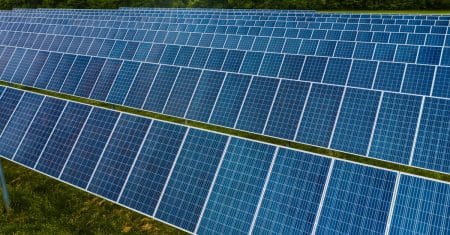
Wind and solar output varies with weather and time of day. Nuclear plants can provide a steady supply of low-carbon electricity, helping diversify a power system as renewable generation expands. The IEA says nuclear power can support secure, diverse low-emissions electricity systems in countries that choose to use it.
This does not make nuclear power a substitute for renewable energy. Instead, the two can serve different roles. A mix of low-carbon sources, supported by grids, storage and other flexibility measures, can reduce reliance on fossil-fuel generation.
The environmental trade-offs
Nuclear power has its own impacts. Plants need water for cooling, and their water use can put pressure on local resources. Mining and processing uranium also carry environmental costs. In addition, radioactive waste needs secure management over long periods.
These issues do not erase nuclear power’s climate benefits, but they belong in any assessment of its environmental performance. The details matter: water availability, the mining and fuel cycle, waste policy, plant safety and the emissions of the electricity source being replaced.
Nuclear power’s ecological case is therefore strongest when it is assessed across its full life cycle and in a specific energy system. It can provide large volumes of low-carbon electricity with a relatively small land footprint. Whether it is the right choice depends on how countries weigh those benefits against its costs and risks.