




| IN A NUTSHELL |
|
In an era where antibiotic resistance poses a rising threat to public health, the study of bacteriophages offers a promising alternative. Researchers from Ōtākou Whakaihu Waka have developed a detailed structural map of a bacteriophage, shedding light on its potential to combat drug-resistant bacteria. Led by Dr. James Hodgkinson-Bean, the team’s findings are a significant step forward in understanding how these viruses can be harnessed in medical, agricultural, and industrial applications. The intricacies of bacteriophage structure and function could pave the way for new therapies that target drug-resistant pathogens, offering hope in the global fight against antimicrobial resistance.
Bacteriophages: A Promising Solution to Drug Resistance
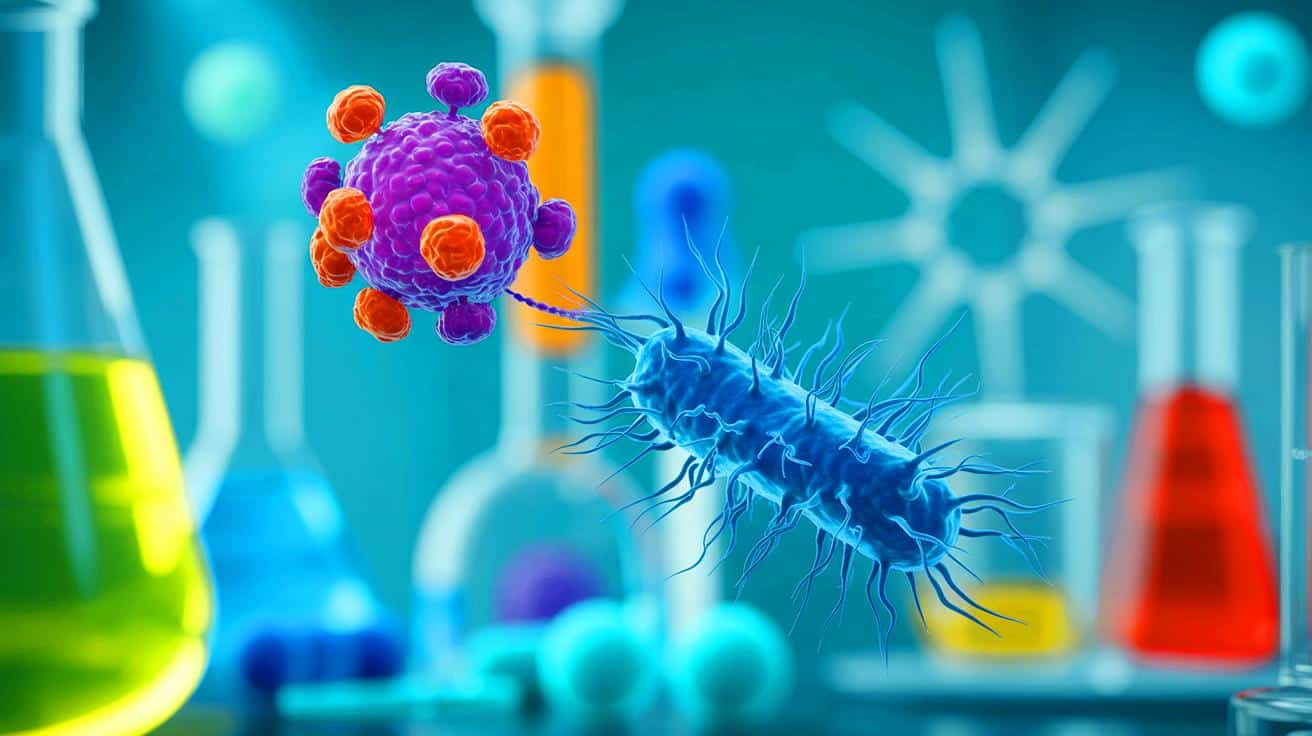
Bacteriophages, or phages, have captured the attention of scientists searching for solutions to the growing problem of antimicrobial resistance. These viruses, which specifically target and kill bacteria, offer a potentially powerful alternative to traditional antibiotics. Dr. Hodgkinson-Bean describes them as “extremely exciting” because of their ability to selectively target harmful bacteria without affecting multicellular organisms. This selectivity makes them ideal candidates for treating infections that are resistant to conventional drugs.
The rise of antibiotic-resistant bacteria has made phage therapy an increasingly attractive option. As the effectiveness of antibiotics dwindles, researchers are turning to phages to fill the gap. These viruses are not only non-harmful to humans and animals but also capable of adapting to target specific bacterial strains. This adaptability is crucial in developing treatments for infections that have proven difficult to manage with existing medications.
3D Mapping of Phage Structure
A significant breakthrough in phage research comes from the structural analysis of a bacteriophage known as Bas63, which infects E. coli. Conducted by scientists from Otago and the Okinawa Institute of Science and Technology, the study involved examining the virus at a molecular level to better understand how its tail functions during infection. This detailed analysis provides critical insights into how phages can be selected and optimized for therapeutic use.
The research offers a blueprint for how phages can be used in various fields, from medicine to agriculture. By understanding the mechanics of phage infection, scientists can better tailor phages to target specific bacteria, enhancing the effectiveness of phage therapy. The study’s findings also hold potential for combating biofilms in food processing and water systems, areas where traditional antibiotics often fall short.
Evolutionary Insights Through Structural Analysis
Beyond their immediate applications, the structural study of phages offers a window into viral evolution. Dr. Hodgkinson-Bean notes that the 3D structure of viruses can provide more information about their evolutionary history than DNA alone. The research identified structural features in phages that were previously only observed in distantly related viruses, uncovering evolutionary connections that date back billions of years.
This ancient lineage connects bacteriophages to Herpes viruses, suggesting a shared evolutionary past that predates multicellular life. These findings highlight the role of phages as “living fossils,” offering valuable insights into the early development of viral forms. Such knowledge not only enriches our understanding of viral evolution but also informs the development of new technologies and therapies that leverage these ancient mechanisms.
Expanding the Horizons of Phage Research
The recent study is part of a broader research effort to explore the potential of bacteriophages. Building on previous work by the same research group, the team’s findings contribute to a growing body of knowledge about phage structure and function. Earlier investigations focused on phages that target plant pathogens, such as those responsible for potato diseases, demonstrating the wide applicability of phage research.
By expanding our understanding of phage biology, researchers are opening new avenues for innovation. The detailed structural maps developed by the team not only inform medical and agricultural applications but also inspire creative endeavors. The intricate designs of phages, with their unique whisker-collar connections and diverse tail fibers, may serve as inspiration for artists, animators, and educators alike.
The study of bacteriophages presents a promising frontier in the battle against antimicrobial resistance. As researchers continue to uncover the complexities of phage structure and function, the potential applications of these viruses grow ever more diverse. Could the ancient lineage of bacteriophages hold more secrets that will revolutionize our approach to medicine and beyond?



Wow, this is fascinating! Could phages really replace antibiotics in the future? 🤔
Wow, who knew ancient viruses could be so helpful? 🦠
Great article! But how long until these treatments become widely available in hospitals?
This is fascinating! Could phage therapy replace antibiotics entirely in the future?
Thanks for this! I’ve always thought viruses were just bad—turns out they might save us!
Grat article! But how far are we from seeing phage therapies in hospitals?
I’m skeptical. Can we really trust viruses to fight bacteria? Sounds risky to me.
I hope this doesn’t lead to zombie viruses! 😂
What are the potential side effects of phage therapy?
Can someone explain how this is different from traditional antibiotics?
Amazing read! The evolutionary insights are mind-blowing. 🦠🌿