




| IN A NUTSHELL |
|
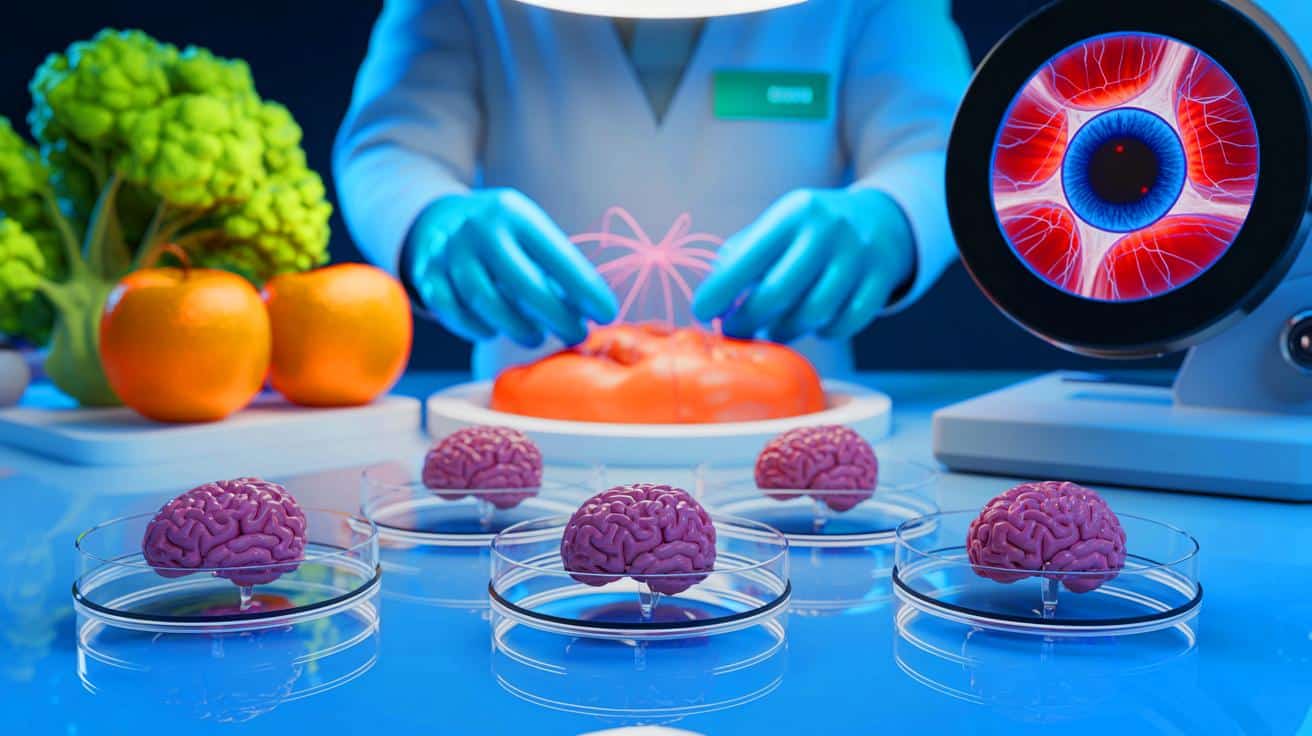
In an era where scientific innovation often seems like the stuff of science fiction, researchers are breaking new ground in health and sustainability. Recent developments include the cultivation of lab-grown brain organoids, the creation of spider-inspired gloves for wound care, and the use of wolf apple starch to extend the shelf life of produce. These intriguing advancements, while sounding like they belong in a horror film, promise substantial benefits for society. Moreover, the discovery of microplastics in human retinas highlights the pressing need to understand the environmental impacts on health. Together, these findings underscore the dynamic and sometimes eerie intersection of science and everyday life.
Growing Mini-Brains in the Lab
Scientists have successfully grown small brain organoids in laboratory settings, offering a promising alternative to animal testing. Through meticulous cultivation, human nerve cells have been coaxed to form functioning organoids capable of electrical activity. This development has significant implications for neuroscience research, providing a model to study brain interactions and disorders without the ethical concerns associated with animal experiments.
The creation of these organoids marks a leap forward in understanding complex neural processes. Researchers can now observe firsthand the intricacies of brain cell communication and development. This innovation not only holds the potential to revolutionize neurological studies but also opens new avenues for personalized medicine and drug testing. As scientists continue refining these techniques, the role of lab-grown brain tissue in medical research is likely to expand.
The practical applications of this technology extend beyond research labs. By offering a sustainable and ethical research model, brain organoids may accelerate the development of treatments for neurological diseases. This shift could lead to more effective therapies for conditions such as Alzheimer’s and Parkinson’s, ultimately improving patient outcomes.
Jaya Anand Singh’s Research Path : A Journey from Curiosity to Contribution
Spider-Inspired Glove Spins Wound Dressings
Drawing inspiration from nature, researchers have developed a glove that mimics the silk-spinning abilities of spiders. This innovative glove is equipped with spinneret-like devices that release ultra-thin polymer fibers, enabling medical professionals to create wound dressings directly on injuries. Such a tool could prove invaluable in emergency situations, providing immediate and tailored wound care.
The glove’s design allows for precise application of dressing materials, adapting to the unique needs of each injury. This technology is especially promising for use in high-pressure environments like hospitals and battlefields, where quick and effective wound management is crucial. By streamlining the process of dressing wounds, this invention could reduce healing times and improve patient outcomes.
Beyond its immediate medical applications, the spider-inspired glove offers potential for broader use. Its ability to produce custom, on-demand materials may lead to advancements in other fields, such as biodegradable packaging or textile manufacturing. As researchers continue to explore its capabilities, the glove could become a versatile tool across various industries.
Wolf Apple Coating Keeps Produce Fresher
In a bid to enhance food preservation, scientists have turned to the wolf apple, a fruit native to Brazil. By extracting starch from this fruit, researchers have developed a natural, edible coating that significantly extends the shelf life of produce. Applied to baby carrots, the coating maintained freshness for up to 15 days at room temperature, offering a promising solution for food waste reduction.
This innovative coating represents a sustainable alternative to traditional preservation methods, which often rely on chemical additives. The wolf apple starch provides a safe and cost-effective means of keeping produce fresh, benefiting both consumers and retailers. As the demand for natural food preservation solutions grows, this discovery could play a critical role in reducing global food waste.
The use of edible coatings aligns with broader sustainability efforts, reducing reliance on non-biodegradable packaging. By enhancing the longevity of fresh produce, this technology supports the global movement towards more sustainable consumption and production patterns. The wolf apple coating highlights the potential of nature-inspired solutions in addressing modern challenges.
Microplastics Found in Human Retinas
The presence of microplastics in human tissues has raised concerns about their potential health impacts. Recent research has detected microplastic particles in all examined samples of human retinas, underscoring the pervasiveness of plastic pollution. These findings call attention to the need for further investigation into how these particles may affect vision and overall eye health.
The discovery of microplastics in such a sensitive part of the body highlights the far-reaching consequences of environmental pollution. As microplastics continue to accumulate in ecosystems, understanding their effects on human health becomes increasingly urgent. Researchers are now tasked with exploring the pathways through which these particles enter the body and their long-term implications.
This research not only serves as a warning about the unchecked spread of microplastics but also as a catalyst for change. It underscores the importance of reducing plastic waste and developing effective methods for removing microplastics from the environment. As scientists delve deeper into this issue, the findings could inform policy decisions and inspire global efforts to mitigate plastic pollution.
As these scientific breakthroughs demonstrate, the line between innovation and the uncanny is often blurred. While some of these developments might evoke a sense of unease, their potential to transform health and sustainability is undeniable. From lab-grown brain tissue to nature-inspired wound care, these advancements offer new possibilities for addressing global challenges. As we navigate this brave new world, one question remains: how will society harness these innovations to create a more sustainable and healthier future?



Incredible advancements! But I’m curious, how do these mini-brains compare ethically to animal testing?
Wow, mini-brains in a lab? Sounds like something out of a sci-fi movie! 🧠
How do the spider-inspired gloves work exactly? Do they shoot webs like Spiderman? 😂
Spider gloves sound like something out of a superhero movie! 🕷️
The idea of microplastics in our bodies is terrifying. How can we prevent this? 😟
Thanks for the informative article! I had no idea about the potential of wolf apples. 🍏
Thank you for such an informative article! It’s amazing to see how far science has come.
Microplastics in our eyes? That’s terrifying! What’s next, plastic lungs? 😬
Is the wolf apple starch coating available for commercial use yet?
How do they ensure these mini-brains don’t develop consciousness? 🤔
Lab-grown brains might be the future, but are there any ethical concerns involved?
This is incredible! But can the mini-brains actually think? 🤔
Spider gloves for wound dressing? Talk about wrapping things up in style! 😂