




| IN A NUTSHELL |
|
In a groundbreaking study, researchers from Kobe University have unveiled a fascinating trait shared by pumpkins, squash, zucchini, and other members of the gourd family: their ability to absorb pollutants from the soil and store them in their edible parts. This discovery not only provides insights into the biological processes behind this phenomenon but also opens avenues for cultivating safer vegetables and employing plants in environmental clean-up efforts. By understanding the mechanisms through which these plants accumulate pollutants, scientists hope to devise strategies to mitigate the health risks associated with consuming contaminated produce.
The Mystery of Polluted Gourds
Gourds, including pumpkins, melons, cucumbers, and zucchini, have long been known for their propensity to accumulate pollutants. According to agricultural scientist Inui Hideyuki from Kobe University, these pollutants pose significant health risks to humans. “The pollutants don’t easily break down and thus pose a health risk to people who eat the fruit,” Inui noted. This characteristic makes gourds unique since other plants do not exhibit the same level of pollutant accumulation.
Previous research conducted by Inui and his team revealed that gourds contain specific proteins that bind to pollutants, facilitating their movement through the plant’s tissues. The recent study highlights the role of protein shape and binding strength in determining the extent of pollution in the plant’s aboveground parts. In particular, researchers discovered that gourds with a higher accumulation of pollutants have greater concentrations of these proteins in their sap. This observation spurred further investigation into how these proteins are secreted into the plant’s sap.
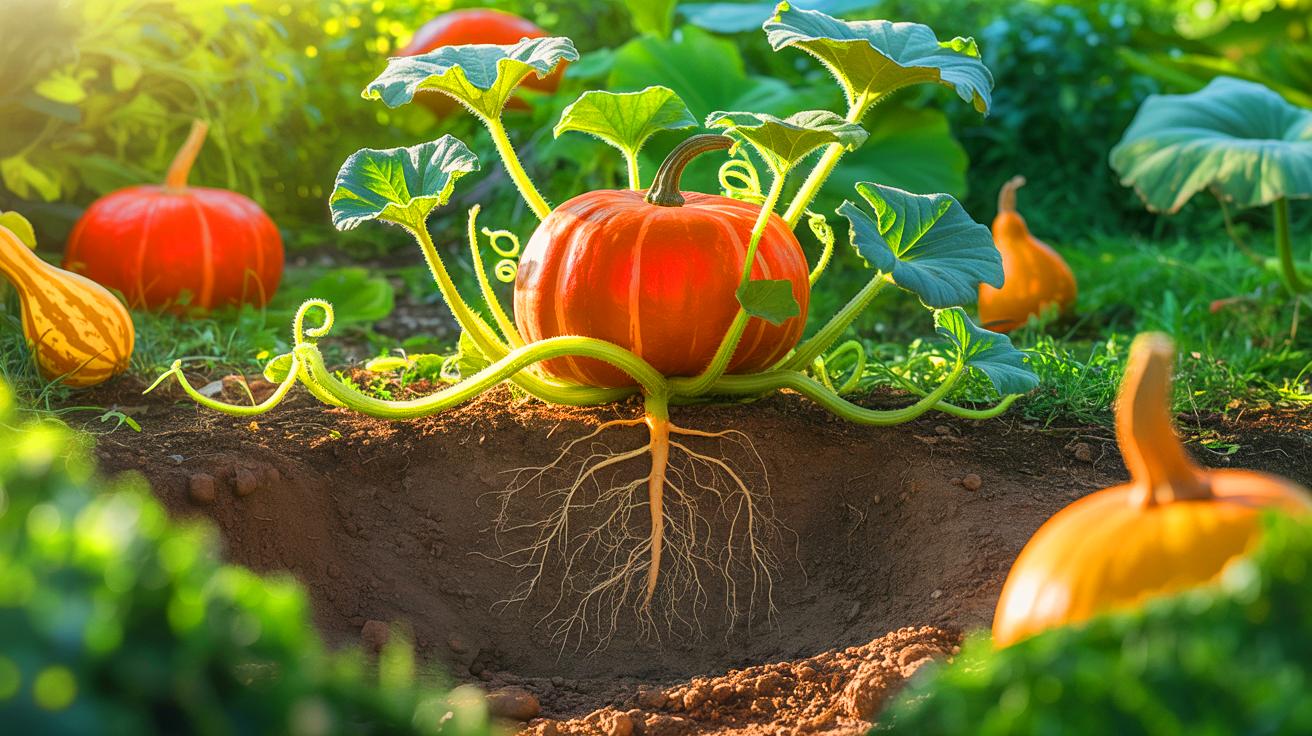
The ability of gourds to accumulate pollutants is linked to specific proteins that bind and transport contaminants.
A Tiny Molecular Tag Makes the Difference
The research team at Kobe University published their findings in the journal Plant Physiology and Biochemistry. They identified that certain protein variants in high-accumulating plants are secreted into the sap, while others remain within the cells. A small variation in the protein’s amino acid sequence acts as a “tag,” directing whether the protein should be retained or released.
To validate their hypothesis, the researchers introduced the high-accumulation protein into tobacco plants, which are unrelated to gourds. Remarkably, the modified tobacco plants also secreted the protein into their sap, supporting the mechanism. Inui explained, “Only secreted proteins can migrate inside the plant and be transported to the aboveground parts. Therefore, this seems to be the distinguishing factor between low-pollution and high-pollution plant varieties.”
Understanding this mechanism could revolutionize agricultural practices. By manipulating the contaminant-transporting proteins through genetic modification, scientists aim to cultivate crops that do not accumulate harmful chemicals in their edible parts. This breakthrough could significantly enhance food safety.
Small variations in protein sequences dictate whether the proteins are retained or secreted, influencing pollutant accumulation.
Using Plants to Clean Contaminated Land
Inui’s vision extends beyond ensuring food safety. He envisions utilizing plants to remediate contaminated soils. “I started this research because I was looking for plants that can detect and digest pollutants effectively,” Inui stated. By harnessing the knowledge gained from this study, researchers aim to develop plants that are more efficient in absorbing soil pollutants, potentially transforming them into a viable technology for environmental clean-up.
This innovative approach to pollution management holds great promise. By leveraging the natural abilities of plants, scientists could address the challenges of contaminated land in a sustainable and eco-friendly manner. The implications of this research extend beyond agriculture, offering potential solutions for environmental restoration.
Plants with enhanced pollutant absorption capabilities could become a crucial tool for cleaning contaminated soils.
Future Implications and Challenges
While the potential applications of this research are immense, several challenges remain. Developing genetically modified crops that are safe for consumption and effective in pollutant absorption will require significant investment and regulatory approval. Public perception and acceptance of genetically modified organisms (GMOs) also play a crucial role in the success of such initiatives.
Furthermore, the implementation of plants for environmental remediation will necessitate comprehensive studies to ensure their effectiveness and sustainability. Researchers must address concerns related to ecological balance and potential unintended consequences of introducing modified plants into natural ecosystems.
Despite these challenges, the promise of using plants to enhance food safety and clean contaminated soil is a compelling prospect. As scientists continue to explore this avenue, what innovative solutions might emerge to address these complex environmental and agricultural issues?



Wow, I never thought pumpkins could be so dangerous! 🎃 Who knew? 🤔
Wow, who knew pumpkins were so powerful? 🎃 Time to rethink my pumpkin pie recipe!
Is this really a thing? I’ve been eating pumpkins for years without issues. 🤷♂️
Is it safe to eat pumpkins grown in urban areas then? 🤔
Thank you for the detailed article! It’s eye-opening to learn about the pollutants in pumpkins. 🍂
So are we saying pumpkins are like little pollutant sponges? Fascinating!
How can we know if the pumpkins we buy are safe? This is worrying! 😟
Great article! Thanks for sharing these insights. 🙌
Great research by Kobe University! This could revolutionize how we grow gourds.
Does this mean organic pumpkins are less risky?
Does this mean we should stop eating pumpkins altogether? What alternatives do we have?
Well, there goes my plan for pumpkin soup every night this fall! 😅
Are all gourds affected or just some types? Can I still eat my favorite zucchini? 🥒
Can these findings help with other crops too, or just gourds?