




| IN A NUTSHELL |
|
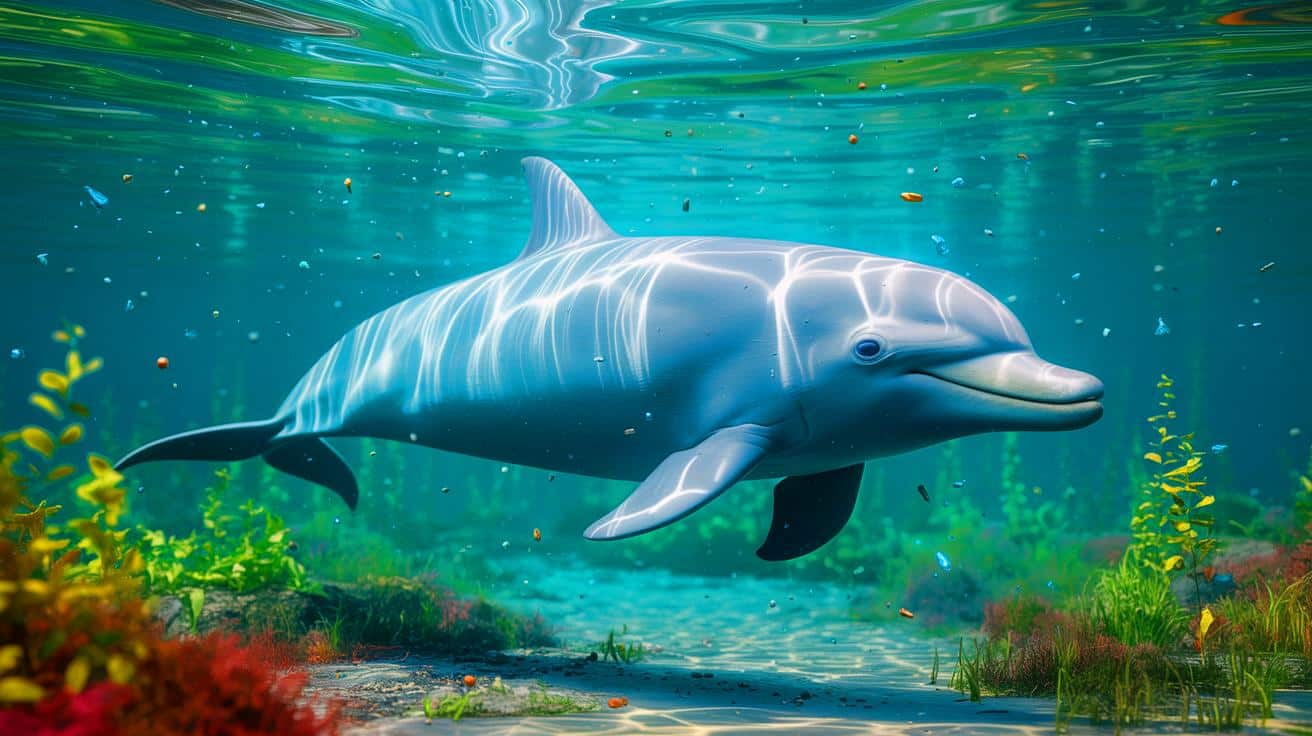
Microplastics have quietly infiltrated ecosystems around the globe, and a recent investigation has uncovered their presence in the most unexpected of places—the guts of the rare Indus River dolphins. This study, led by Ahsaan Ali of Nanjing Normal University, painstakingly examined five of these dolphins, revealing a disturbing trend: every single dolphin contained microplastic particles. These findings raise significant concerns about the impact of human activity on already vulnerable freshwater species. With dolphins trapped in fragmented river systems, the threat of pollution adds another layer of challenge to their survival.
Indus River Dolphin: A Rare Creature
The Indus River dolphin holds a unique place in the natural world as one of the rarest cetaceans. Found primarily in the Indus River system in Pakistan, with a small population in India, these dolphins face a host of natural and human-induced challenges. A survey in 2017 reported approximately 1,987 individuals, highlighting the precarious existence of these animals. Their populations are fragmented by dams and barrages, isolating groups and making them more susceptible to local threats.
Plastic pollution has now emerged as a significant danger, adding to the stressors of habitat fragmentation and low river flows. The inability of these dolphins to navigate easily between different parts of the river system means local pollution can have a disproportionate effect. The introduction of microplastics into their habitats could represent a tipping point for this endangered species, forcing conservationists to rethink strategies for their protection.
Understanding the Study’s Methodology
To uncover the extent of microplastic pollution in dolphins, researchers collected stranded individuals and conducted a detailed examination of their gastrointestinal tracts. By dissecting the stomach, small intestine, and large intestine, they were able to isolate and identify the microplastic particles present. Each section was meticulously rinsed, and the organic matter was digested to leave behind only the plastic residues.
Confirming the composition of these particles required the use of FTIR spectroscopy, a technique that identifies the chemical composition of materials. This method allowed the researchers to determine with certainty which particles were synthetic polymers. This rigorous approach ensures the accuracy of the findings, distinguishing true microplastics from naturally occurring fibers in the dolphins’ digestive systems.
The Presence of Microplastics Inside Dolphins
The results of the study were unequivocal: microplastics were found in every dolphin examined, with an average of 286 particles per individual. These particles were predominantly thin fibers, indicating that textile shedding and wastewater discharge are primary sources. The most common polymer identified was polyethylene terephthalate (PET), which is widely used in textiles and packaging.
Microplastic particles ranged in size from about 0.2 to 0.012 inches, small enough to traverse the digestive system but capable of lodging in complex intestinal folds. The small intestine showed higher concentrations of these particles, likely due to its length and structure. The colors of these particles, mainly clear or blue, further suggest a link to clothing fibers and packaging materials, underscoring the pervasive nature of plastic pollution.
Assessing Dolphin Exposure to Microplastics
Not all plastics pose the same level of threat. A polymer hazard framework evaluates the potential chemical risks based on the polymers’ composition. The study rated the polymer mix found in dolphins as medium to high risk, highlighting the toxic potential of these materials. The presence of additives such as bisphenols and phthalates in plastics can disrupt hormone systems, affecting reproduction and metabolism.
The Indus River dolphins already face multiple stressors, including habitat fragmentation and low water flows. The additional burden of chemical exposure from microplastics may exacerbate these issues, pushing these animals to the brink. This study serves as a crucial baseline for understanding the scope of microplastic pollution in freshwater ecosystems, providing a foundation for future conservation efforts.
Implications for Conservation Efforts
The discovery of microplastics in Indus River dolphins underscores the urgent need for targeted conservation actions. By focusing on reducing plastic inputs near key dolphin populations, significant progress can be made in preserving these rare creatures. Public reporting of polymer types, rather than just counts, will aid in identifying specific pollution sources and inform more effective risk assessments.
This study, published in the journal PLOS One, highlights the interconnectedness of human activities and natural ecosystems. As we continue to investigate the impact of microplastics, it becomes increasingly clear that comprehensive measures are needed to protect vulnerable species and their habitats. What further steps can be taken to ensure that future generations of Indus River dolphins thrive in a cleaner, healthier environment?


Wow, this is incredibly concerning. How can we help reduce plastic pollution in these areas? 😟
This is so sad. What can we do to help these dolphins? 😢
Wow, this is shocking! Are there any local efforts to clean up the river?
Are there any ongoing efforts to clean up the Indus River? Seems like a massive task!
How did microplastics get into the Indus River in the first place?
Another reason why we need to cut down on plastic usage. Thanks for sharing this information.
Plastic in dolphins? That’s just plain sad. When will we learn? #SaveTheDolphins
Is there a way to filter out microplastics from the water to protect these dolphins?
Great article! It’s high time we address the plastic pollution issue seriously.
Great article! Thanks for shedding light on this important issue. 🌍
How reliable is FTIR spectroscopy for identifying microplastics? 🤔
It’s heartbreaking to see how human actions affect wildlife. Let’s make a change!
Is PET the only polymer they found, or were there others too? 🤔
Why aren’t there more studies like this being conducted worldwide?
So, what’s the next step for conservationists after this study?
It’s crazy to think that even dolphins can’t escape plastic pollution!
Are these findings applicable to other river systems or just the Indus?