



| IN A NUTSHELL |
|
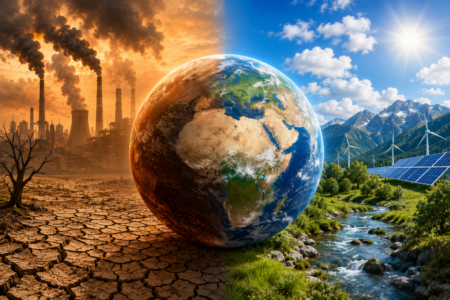
Recent research has opened new avenues in understanding how Earth’s climate might drastically change due to natural processes. Traditionally, the breakdown of silicate rocks, which absorbs atmospheric CO2 and eventually deposits it on the ocean floor, was seen as the main driver in regulating Earth’s climate. However, this process alone does not account for the extreme glaciations that Earth has experienced. New findings suggest that a powerful ocean feedback loop may also play a significant role. This loop, influenced by the interaction of nutrients and the ocean’s oxygen levels, could potentially lead to a cooling phase after a period of warming, possibly even triggering an ice age.
Rethinking the Role of Rock Weathering
For many years, rock weathering has been considered a primary factor in Earth’s climate regulation. This natural process involves rainwater absorbing CO2 from the atmosphere, which then reacts with minerals in rocks. The result is the transportation of carbon and calcium into the oceans, where they contribute to the formation of shells and coral reefs. Over time, these materials settle on the ocean floor, effectively sequestering carbon deep within the Earth.
Dominik Hülse, a leading researcher, highlights that while rock weathering is vital, it alone cannot explain the severe ice ages that have marked Earth’s history. These periods of extensive glaciation indicate that additional mechanisms must be at work. The new research underscores the importance of ocean processes in this context, suggesting that changes in ocean chemistry and biology might be equally pivotal in regulating Earth’s climate.
The Ocean’s Feedback Loop
The study introduces a complex feedback loop within the ocean that could be crucial in climate regulation. As CO2 levels rise and the planet warms, more nutrients like phosphorus are delivered to the oceans. These nutrients promote algal growth, which captures carbon through photosynthesis. When algae die, they sink to the seabed, effectively removing carbon from the atmosphere.
However, this process is not straightforward. As algae decompose, they deplete the ocean’s oxygen, which leads to the recycling of phosphorus instead of its long-term storage. This creates a feedback loop where more nutrients lead to more algae, further reducing oxygen levels and consequently recycling even more nutrients. This loop could potentially lead to massive carbon burial in ocean sediments, causing Earth’s climate to cool significantly after a warming phase.
Implications of Lower Atmospheric Oxygen
The research also sheds light on how historical levels of atmospheric oxygen have influenced Earth’s climate. Lower oxygen concentrations, prevalent during certain geological periods, could have intensified nutrient feedbacks, contributing to dramatic ice ages. As humans continue to add CO2 to the atmosphere, the planet will warm, but the model suggests a potential overshoot in cooling might occur eventually.
This future cooling event might be less severe than past occurrences due to the higher oxygen levels in today’s atmosphere, which dampens nutrient feedbacks. However, this does not negate the urgency of addressing current warming trends. The research suggests that while natural cooling processes exist, they are not quick enough to counteract the immediate impacts of climate change driven by human activities.
Future Directions in Climate Modeling
Moving forward, scientists like Hülse aim to refine their Earth System models to understand the rapid climate recoveries that have occurred in the past. These models incorporate interactions between ocean processes and marine sediments, offering a more comprehensive view of climate dynamics.
By examining past climate perturbations, researchers hope to gain insights into how these systems might respond to current and future changes. This understanding could be crucial in predicting and potentially mitigating the long-term impacts of ongoing climate change. The study’s findings stress the importance of a multifaceted approach to climate science, encompassing both terrestrial and oceanic processes.
The research underscores the complexity of Earth’s climate system and the myriad factors that influence it. As scientists continue to unravel these processes, the question remains: How will our understanding of these natural feedbacks shape our strategies in combating climate change in the years to come?

Fascinating read! 🌍 Are there any regions where this feedback loop is already noticeable?
Wow, fascinating! Could this feedback loop really trigger another ice age? 🤔
Thank you for shedding light on such a complex topic! Climate science is truly mind-boggling.
Is it possible to simulate these feedback loops in a lab setting?
Thank you for the insightful piece. This changes my perspective on climate change.
Why do scientists only focus on these feedback loops now? Seems like it should’ve been obvious!
Does this mean we should be more concerned about ocean health than ever before?
Wow, I didn’t know the ocean could play such a huge role in ice ages. Mind blown! 🤯
What a load of rubbish! The climate is just fine as it is. 🙄
Could this feedback loop potentially counteract some of the warming effects of CO2 emissions?
Thank you for bringing this topic to light. More people need to know about it.
Anyone else think “ocean turning on itself” sounds like a horror movie title? 😅
How can we be sure that these models are accurate? Seems like a lot of guesswork to me.
Do these feedback loops happen in freshwater bodies like lakes and rivers?
So the ocean is basically a giant climate control center? That’s amazing! 🌊
What are the implications for marine life if the oxygen levels drop during this process?
Thanks for this article. It’s a wake-up call about the importance of the ocean ecosystem.
Is there any evidence that this feedback loop has happened in the last century?
Rock weathering vs. ocean feedback loops—sounds like a heavyweight climate science battle! 🥊
Can these findings be applied to predict future climate events?
So, is rock weathering not as important as we thought, or just part of a bigger picture?
Thank you for the detailed explanation. It’s a complex topic but you made it understandable.
How do nutrient feedbacks compare with other climate change factors like deforestation?
I’m skeptical. How do we know this isn’t just another flawed climate theory?
This is terrifying and fascinating at the same time. We need to act now! 🌎
Great article, but I’m curious about the role of human activity in triggering these loops.
Does this mean the ocean could eventually “fix” global warming on its own? 🤔
Thanks for the information! Can you recommend further reading on this topic?
How long would it take for such a feedback loop to trigger an ice age?
Could this feedback loop be related to the current climate changes we’re experiencing?
Does this mean we should be more worried about ocean health than ever before?
I’m skeptical. How can a feedback loop in the ocean have such a big impact on glaciers?
Is there a way to measure how much phosphorus is currently recycled in the ocean?
This is just another excuse for scientists to push their climate change agenda. 😒
Great article, but I’m still confused about how the process actually triggers an ice age. 🤔
Great insights! More reason to invest in understanding our oceans better.