




| IN A NUTSHELL |
|
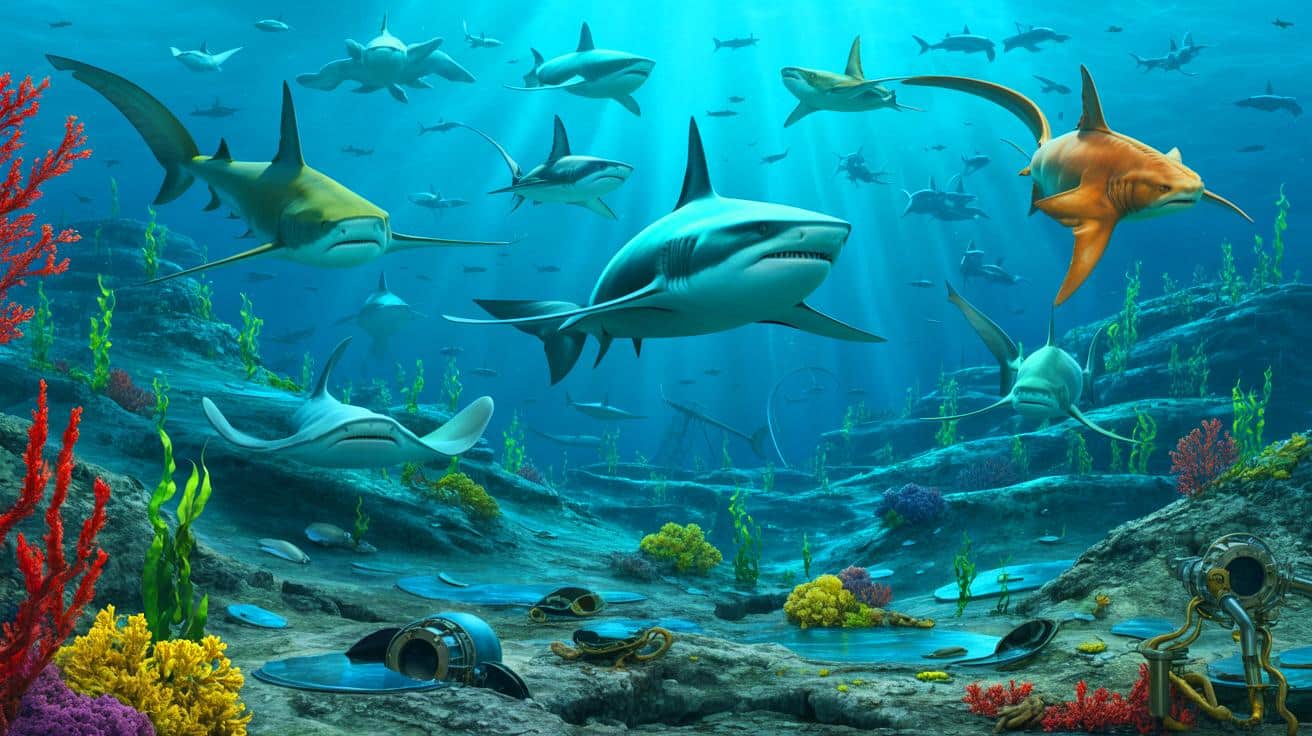
In the depths of the ocean, a hidden threat is emerging that could have catastrophic effects on marine biodiversity. Recent studies have highlighted the dangers posed by deep-sea mining to vulnerable marine species such as sharks, rays, and chimaeras. These creatures, already facing numerous threats, now contend with the potential devastation of their habitats due to proposed mineral extraction on the ocean floor. With thirty species at risk, many of which are already endangered, the urgency to address the impact of deep-sea mining has never been greater. This situation demands immediate attention to prevent irreversible damage to these critical ecosystems.
Sharks, Rays, and Ghost Sharks at Risk
Recent research has shed light on the perilous intersection between deep-sea mining operations and the habitats of sharks, rays, and chimaeras, sometimes called ghost sharks. According to a study published in Current Biology, these marine animals inhabit regions where mining is planned. The disruption of their habitats poses a significant threat, especially since nearly two-thirds of these species are already classified as threatened. The mining process disturbs the seafloor and releases large plumes of sediment, potentially driving these species closer to extinction.
Aaron Judah, the lead author and a graduate student at the University of Hawai‘i, emphasized the importance of recognizing this threat. He advocates for measures to support the conservation of these species, which are crucial to both ocean ecosystems and human culture. By identifying the risks and suggesting conservation pathways, Judah hopes to ensure healthier populations of sharks, rays, and chimaeras in the future.
“Planes Are Poisoning Your Brain”: Toxic Cabin Fumes Terrify Pilots While Airlines Hide Deaths
“Deep-sea mining is a new potential threat to this group of animals which are both vital in the ocean ecosystem and to human culture and entity,” said Aaron Judah.
Mapping Species Overlap With Mining Zones
Understanding the risks posed by deep-sea mining requires a comprehensive analysis of species overlap with mining areas. Researchers compared global maps of shark and ray habitats with designated mining zones to assess vulnerability. This effort, led by Judah and an international team, included studying life history details such as reproductive behavior and diving depth. Species like skates and chimaeras are particularly vulnerable, as they lay their eggs on the seafloor where mining vehicles could destroy their nursery grounds.
The study examined both well-known and lesser-known species, including the pygmy shark and chocolate skate. Researchers concluded that thirty species could be exposed to sediment plumes, with twenty-five potentially facing direct habitat disruption. Many of these species occupy multiple depth zones, meaning mining could affect over half of their total depth range for several identified species.
The Clarion-Clipperton Zone in Focus
The Clarion-Clipperton Zone, a vast abyssal plain in the Pacific Ocean, is a focal point for potential deep-sea mining. This area, stretching from Hawai‘i to the eastern Pacific, is rich in mineral resources. However, the implications for marine life and dependent communities must be considered. Jeff Drazen, a senior author of the study, emphasized the vulnerability of sharks and their relatives. As the second most threatened vertebrate group, primarily due to overfishing, these species face additional risks from mining.
The study’s authors recommend several measures to mitigate harm, including monitoring programs, environmental impact assessments, and the creation of protected areas. These steps could guide the International Seabed Authority in regulating mining activities and protecting marine biodiversity.
Hawai‘i Ecosystems Could Be Indirectly Affected
The potential impact of deep-sea mining extends beyond the immediate areas, with implications for ecosystems near Hawai‘i. Many shark species identified in the analysis are highly mobile, with the ability to traverse vast oceanic distances. As a result, disturbances in mining areas could indirectly affect ecosystems near the Hawaiian Islands. Judah continues to expand his research to include species not initially assessed, which may further increase the number of at-risk animals due to mining activities.
This ongoing research underscores the interconnected nature of ocean ecosystems and the far-reaching consequences of human activities. Protecting these species requires a holistic approach that considers both direct and indirect impacts.
The issue of deep-sea mining presents a complex challenge that intertwines environmental, economic, and cultural considerations. As we navigate the uncertain future of ocean resource exploitation, the question remains: How can we balance the pursuit of mineral wealth with the imperative of preserving the rich biodiversity of our oceans for future generations?


Wow, I had no idea mining could be so harmful to marine life! Thanks for raising awareness. 🌊
Wow, I had no idea sharks gave birth in these areas! 😲
Is there any way to stop the mining? It sounds devastating!
Isn’t there any way to mine without harming these ocean species? 🤔
Why don’t we hear more about this on the news?
This sounds like a disaster waiting to happen. What’s being done to stop it?
I hope this article reaches the people who can make a difference. 🌍
Sharks giving birth in the depths of the ocean—who knew! The ocean is full of surprises.
This is truly heartbreaking. We need to prioritize marine life over profits.
I’m sceptical. How do we know these mining activities are the real cause of harm to marine life?
Deep-sea mining sounds like a sci-fi horror story! 😱
Great article, but I wish it had more solutions to the problem. What can individuals do to help?
Thanks for shedding light on such an important issue!