




| IN A NUTSHELL |
|
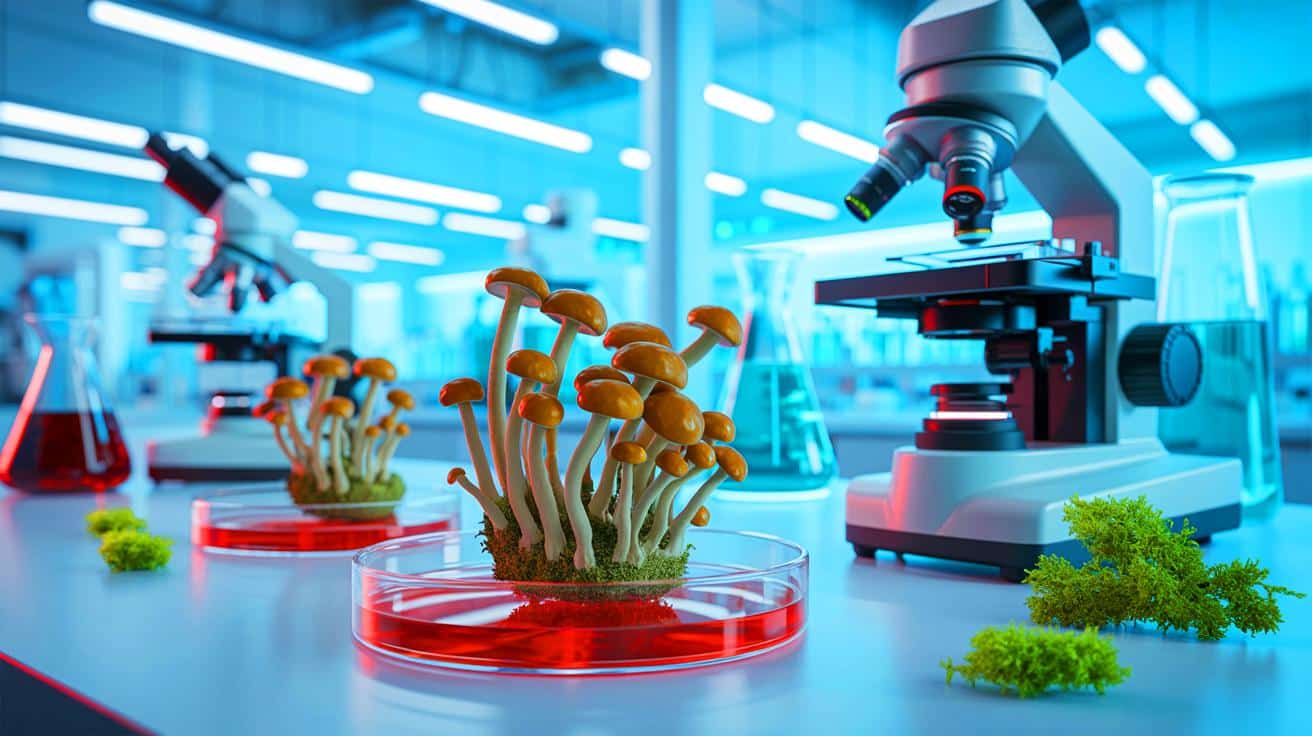
In a groundbreaking development, scientists have harnessed the power of CRISPR technology to genetically enhance a fungus, creating a more efficient and environmentally friendly protein source. This innovative approach, detailed in a recent study published in Trends in Biotechnology, presents a promising alternative to traditional meat production, which is a significant contributor to global greenhouse gas emissions. By improving the fungus’s protein production efficiency and digestibility, researchers have managed to cut the environmental footprint by as much as 61 percent. The resulting product not only mimics the taste and texture of meat but also aligns with increasing consumer demand for sustainable and nutritious protein sources.
Sustainable Protein and the Need for Alternatives
As the global population continues to rise, the environmental impact of animal agriculture has become a pressing concern. Currently, this sector accounts for approximately 14 percent of global greenhouse gas emissions, strains land resources, and demands significant freshwater supplies. These realities underscore the urgent need for sustainable alternatives. Microbial proteins derived from sources like yeast and fungi are gaining traction as viable substitutes for meat. Among these, the fungus Fusarium venenatum has emerged as a frontrunner due to its natural meat-like flavor and texture.
Fusarium venenatum is already approved for consumption in several countries, including the United States, United Kingdom, and China. However, its production is energy-intensive and resource-demanding, highlighting the necessity for further improvements. The innovative use of gene-editing technology presents an opportunity to enhance these aspects, making Fusarium venenatum an even more attractive alternative to traditional meat. By reducing its environmental footprint and improving its nutritional value, scientists aim to offer a protein source that meets the needs of a growing population while mitigating environmental impacts.
Why Fusarium venenatum Needed Improvement
Despite its potential, Fusarium venenatum has limitations that hinder its widespread adoption. The fungus naturally forms thick cell walls, which reduce its digestibility in humans. Additionally, producing even modest quantities of this mycoprotein requires significant resources. The cultivation process involves large metal tanks filled with sugar-rich feedstock and nutrients like ammonium sulfate. These challenges prompted researchers to explore whether CRISPR could enhance the fungus’s digestibility and production efficiency without introducing foreign DNA.
The team led by Xiao Liu of Jiangnan University sought to refine the fungus’s genetic makeup to address these issues. By using CRISPR, they aimed to make Fusarium venenatum easier to digest and less resource-intensive to grow. The result was a modified strain that not only meets these goals but also retains the desirable meat-like qualities that make it a promising alternative protein source. Such advancements could significantly impact global efforts to create more sustainable food systems.
Key Gene Edits That Boost Efficiency
The researchers focused on two key genes related to the enzymes chitin synthase and pyruvate decarboxylase. By removing the chitin synthase gene, they were able to thin the fungus’s cell wall, making its protein content more accessible for human digestion. The deletion of the pyruvate decarboxylase gene optimized the fungus’s metabolism, reducing the nutrients required for protein production. These targeted gene edits resulted in a modified strain, named FCPD, that demonstrated remarkable improvements in efficiency.
Analyses showed that FCPD used 44 percent less sugar to produce the same amount of protein as the original strain, and it achieved this at a pace 88 percent faster.
These efficiency gains not only lower the environmental impact but also make the production process more economically viable.
Xiaohui Wu, a co-author of the study, emphasized the importance of considering the entire production process’s environmental impact when developing alternative protein products. This work highlights the potential of gene-editing technology to revolutionize food production systems.
Life Cycle Footprint and Global Comparisons
The environmental impact of the FCPD strain was assessed across its entire life cycle, from laboratory cultivation to industrial-scale production. The researchers modeled its footprint in six countries with varying energy systems, including Finland, which relies heavily on renewable energy, and China, which depends more on coal. In each scenario, FCPD production resulted in lower environmental impacts than conventional Fusarium venenatum.
Across its full life cycle, FCPD production reduced greenhouse gas emissions by up to 60 percent. When compared to traditional animal protein sources, the benefits were even more pronounced. For instance, against chicken production in China, FCPD required 70 percent less land and significantly decreased the potential for freshwater pollution.
These findings underscore the potential of gene-edited foods to meet growing food demands without the environmental costs associated with conventional farming.
The study was supported by various research programs and foundations in China, highlighting the global interest in sustainable food solutions.
The advancement of gene-edited foods like FCPD offers a glimpse into the future of sustainable food production. By addressing the environmental challenges posed by traditional agriculture, these innovations promise to reshape the way we meet global dietary needs. As the demand for sustainable protein sources continues to grow, how will such technologies be integrated into existing food systems, and what impact will they have on global food security?



Wow, this is like sci-fi coming to life! Can we call it “The Fungus Among Us”? 🍄
This is fascinating! How soon can we expect these fungi-based proteins to hit the market? 🍄
I’m curious, does this mean vegetarians can finally enjoy something close to real meat? 🤔
Great work scientists! We need more innovations like this to save the planet. 🌍
Thank you for sharing this exciting development! The planet definitely needs more solutions like this. 🌍
CRISPR and fungi? Sounds like the start of a sci-fi movie! 😄
How does the taste compare to actual meat? Anyone tried it yet?
I’m curious, how does the taste compare to real meat? Anyone tried it yet?
CRISPR is amazing, but are there any risks involved with editing fungi like this?
Love this idea! But is it safe to eat gene-edited food? 🤔
I wonder if this could replace animal farming entirely someday. #Hopeful
Is it safe to consume gene-edited fungi? Asking for a friend. 😉
CO2 emissions cut by 60%? That’s impressive. How scalable is this solution?