

| IN A NUTSHELL |
|
Microbial life, often overlooked, plays a critical role in maintaining the planet’s ecological balance. Recent efforts have been made to protect these microscopic entities, which constitute the vast majority of Earth’s biodiversity. Spearheaded by Professor Jack Gilbert, a new global initiative aims to safeguard microbial biodiversity through the Microbial Conservation Specialist Group (MCSG) within the International Union for Conservation of Nature (IUCN). This endeavor marks a significant shift in conservation strategies, emphasizing the essential role of microbes in ecological, climate, and health systems worldwide.
Launching the IUCN’s Microbial Conservation Effort
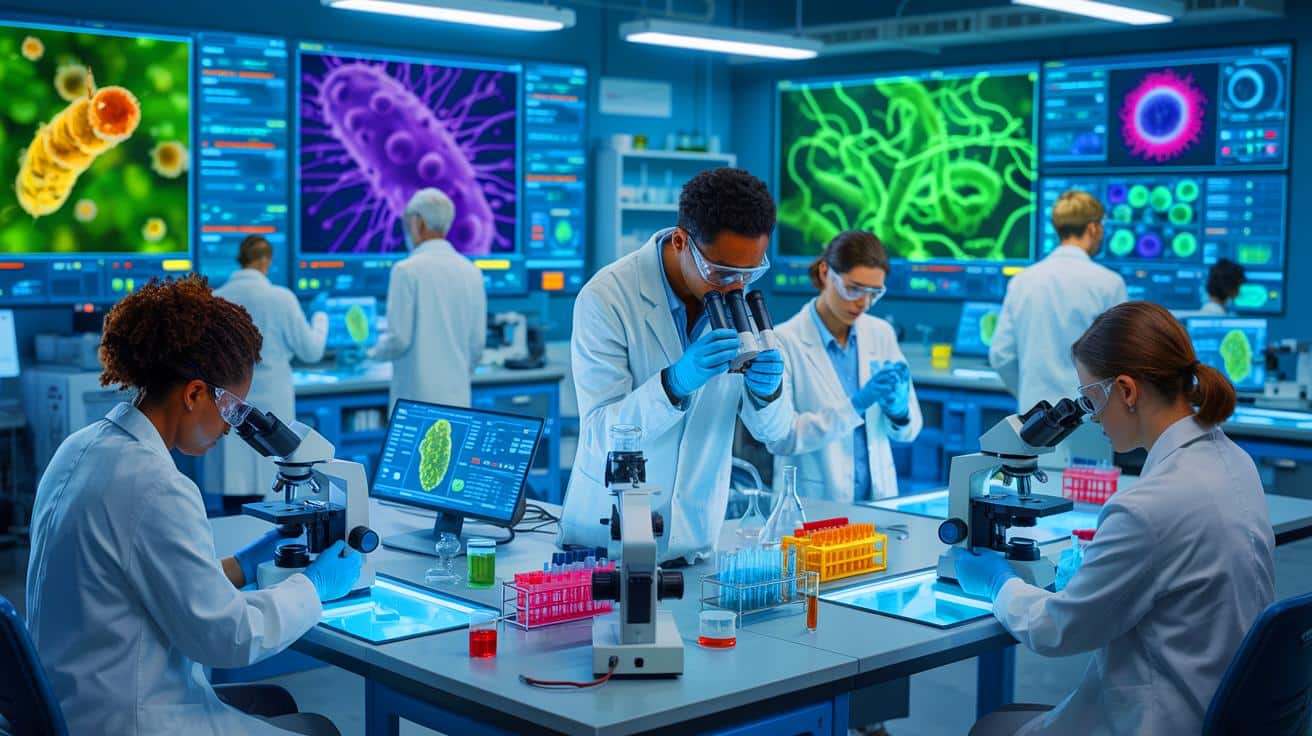
In July 2025, a groundbreaking step was taken in the conservation world with the establishment of the Microbial Conservation Specialist Group (MCSG) within the IUCN’s Species Survival Commission. Co-chaired by Professor Jack Gilbert and Raquel Peixoto, this initiative brings together experts to focus on microbial life conservation. The formation of this group followed a pivotal workshop in May, where conservationists and microbiologists discussed integrating microbial processes into traditional conservation goals.
Professor Gilbert highlights the MCSG as the first global coalition dedicated to protecting what he describes as the “invisible 99% of life.” This initiative is not just about preserving individual species but about maintaining the web of microbial life that supports visible ecosystems. He emphasizes that this is a paradigm shift, aiming to enhance planetary health by harnessing microbial tools for solving global challenges.
Importance of Microbial Biodiversity
Microbes are fundamental to various ecological processes, including soil fertility, carbon cycling, and marine productivity. Despite their importance, they are often absent from conservation policies. Ignoring microbial diversity undermines climate resilience, food security, and ecosystem restoration efforts. Professor Gilbert points out that the MCSG addresses this gap by embedding microbiology within IUCN’s conservation strategies, making microbes visible in policy discussions.
The group’s work includes integrating microbial considerations into Red List criteria, ecosystem assessments, and restoration programs. This approach ensures that the critical role of microbes is recognized and addressed in conservation efforts, enhancing the resilience of ecosystems and supporting global biodiversity goals.
Building a Global Network for Microbial Conservation
Over the past two years, the MCSG has built an international network of microbiologists, ecologists, legal experts, and Indigenous knowledge holders from over 30 countries. This community has created a comprehensive roadmap for microbial conservation, outlining five core components of the IUCN Species Conservation Cycle.
The roadmap includes developing Red List-compatible metrics for microbial communities, creating ethical and economic frameworks for microbial interventions, and piloting restoration projects using microbial solutions. Additionally, the network aims to connect scientists, culture collections, and Indigenous custodians while launching public and policy campaigns to raise awareness about the importance of microbial life.
Early work is supported by funding from the Gordon & Betty Moore Foundation, along with in-kind support from AMI and ISME.
Overcoming Challenges in Microbial Conservation
The task of creating a conservation framework for microscopic life is fraught with scientific and conceptual challenges. These include defining what constitutes a “microbial species” within the framework of Red List criteria and integrating genomic and ecological data into systems initially developed for plants and animals.
Professor Gilbert acknowledges that microbial conservation must navigate the enormous unseen diversity and dynamic community structures that defy traditional species concepts. He stresses the need for new definitions of terms like “loss” and “restoration” to address taxonomic instability and the ethical handling of microbial samples, including those associated with Indigenous or human-related microbiota.
The recognition of the MCSG as a formal Specialist Group by the IUCN is a landmark achievement, extending global conservation efforts to include microbial life for the first time.
Future Goals and the Path Forward
Looking ahead, the group aims to develop the first Microbial Red List framework by 2027 and create global maps of microbial hotspots. Testing conservation strategies such as microbial bioremediation, coral probiotics, and soil carbon restoration are also on the agenda. The group is committed to ensuring that microbial indicators are incorporated alongside plants and animals in IUCN and UN biodiversity targets by 2030.
Sustained investment is crucial for expanding global microbial monitoring networks and integrating microbes into national biodiversity and climate strategies. Building public microbial literacy is also a priority, as recognizing microbes as the foundation of ecosystem and human health is essential. The roadmap underscores the importance of digital-twin and AI tools to predict microbial community responses to environmental changes.
As we consider the vital role of microbial life in maintaining ecological balance, the question arises: How can we further integrate microbial conservation into mainstream environmental policies to ensure a sustainable future for all life forms?

Wow, who knew microbes were so crucial? 🤯 Thanks for the insight!
Wow, who knew microbes are so important! Are they really the “invisible 99% of life”? 🤔
Thank you for highlighting the importance of microbes. This is a game-changer for conservation efforts!
Are there any specific regions where microbial conservation is more urgent?
Why haven’t microbes been included in conservation policies until now? Seems like a big oversight!
Interesting article! But how do they actually define a “microbial species”? Seems tricky!
Microbial Red List sounds interesting. How exactly will it be developed?
I’m all for saving the planet, but microbes too? What’s next, saving dust mites? 😂
Great read, but I’m still skeptical. How do we know protecting microbes will have a real impact?
Great article! But how do we define a “microbial species”? Isn’t that super complex?
Microbial Red List sounds like a massive task! How long will it take to develop?
Professor Gilbert and Raquel Peixoto are doing amazing work! 👏👏
Thanks for shedding light on this topic. It’s incredible how much we rely on these tiny organisms!
This is fascinating! Could microbes help with climate change as well?