


| IN A NUTSHELL |
|
The Amazon rainforest, often referred to as the lungs of the planet, is witnessing catastrophic events that highlight the dire consequences of climate change. In 2023, a severe drought in the region turned several Amazonian lakes into virtual hot tubs, with Brazil’s Lake Tefé reaching a staggering 105.8 degrees Fahrenheit (41.0 degrees Celsius). The intense heat claimed the lives of more than 200 dolphins and countless other aquatic animals, marking a grim reminder of the climate crisis’s far-reaching impacts.
Unprecedented Heat and Its Impact on Wildlife
The Amazon’s aquatic ecosystems have been severely disrupted by an extraordinary rise in temperatures. The extreme conditions in Lake Tefé are part of a broader pattern of environmental havoc attributed to climate change. During the 2023 drought, researchers documented that five out of ten lakes examined experienced temperatures exceeding 98.6 degrees Fahrenheit (37 degrees Celsius). These conditions led to a significant thermal stress that devastated local wildlife.
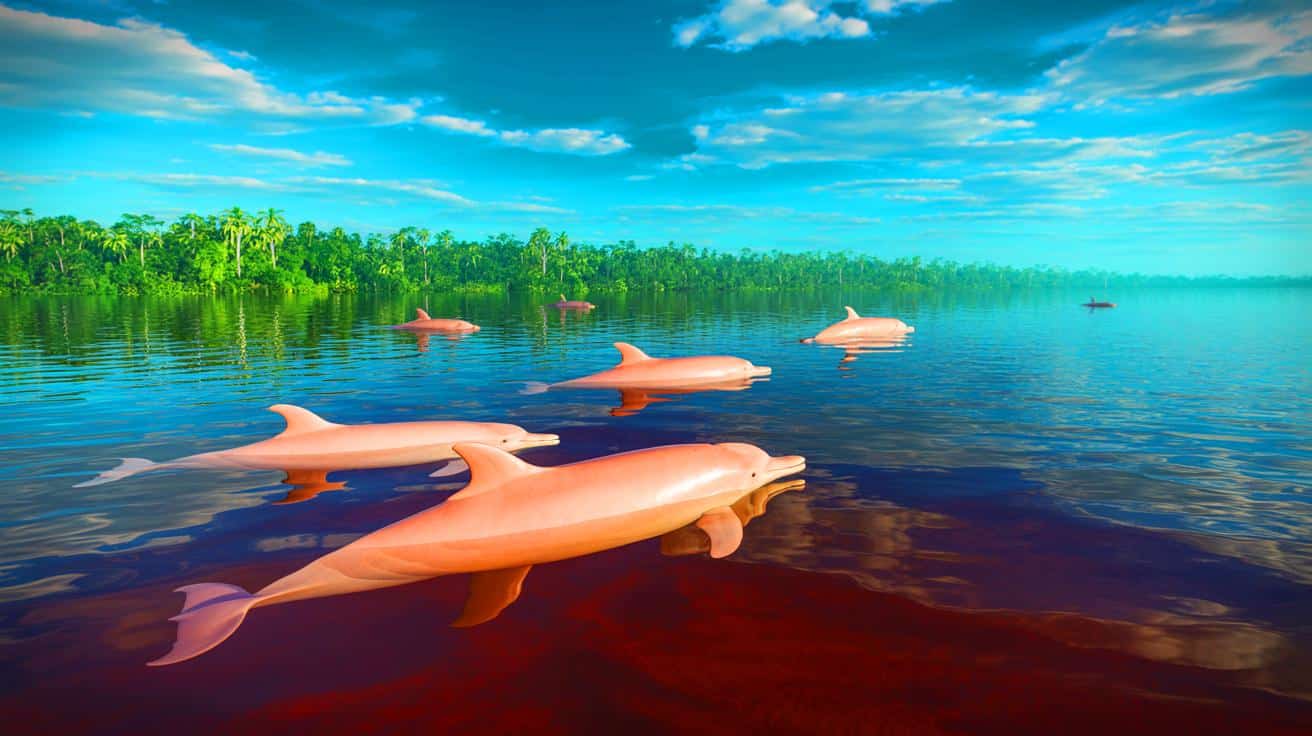
The sudden and dramatic temperature swings, reaching up to 23.4 degrees Fahrenheit (13 degrees Celsius), placed unprecedented stress on the region’s aquatic life. According to University of Greenwich ecologist Adrian Barnett, the energy required to cause such a drastic increase in water temperatures in vast bodies of water is immense. The tragic consequences included the deaths of approximately 330 dolphins, among them endangered species like the pink river dolphins and tucuxi dolphins.
Attributing the Crisis to Climate Change
The catastrophic events in the Amazon are a stark manifestation of climate change’s extensive reach. Hydrologists and ecologists, including Ayan Fleischmann from the Mamirauá Institute for Sustainable Development, have linked the drought’s intensity to climate change. They identified several contributing factors, such as low wind speeds, shallow water depths, and heightened solar radiation, which collectively exacerbated the conditions in the Amazonian lakes.
“The climate emergency is here, there is no doubt about it,” Fleischmann asserted, highlighting the urgent need for global action.
Researchers suggest that the warming of the North Atlantic Ocean, in combination with a moderate to strong El Niño event, further intensified the drought. These climatic changes are not isolated phenomena; they are symptoms of a larger, systemic issue that demands immediate attention. The Amazon, home to a fifth of the world’s freshwater, is rapidly drying up, threatening its rich biodiversity.
Consequences for Biodiversity and Local Communities
The loss of biodiversity in the Amazon is a pressing concern with profound implications for both the ecosystem and local communities. The World Wildlife Fund reported a loss of 10 percent of the local dolphin population in just one week during the 2023 crisis. Such rapid declines in wildlife populations can have cascading effects on the entire ecosystem, disrupting food chains and ecological balance.
John Melack, an ecologist at UC Santa Barbara, emphasizes the far-reaching consequences of these environmental changes. The increasing frequency of such conditions threatens not only wildlife but also the livelihoods of communities that depend on the Amazon’s resources. The drying of the Amazon’s lakes and rivers can lead to a decline in fish populations, directly affecting the food security and economic stability of local communities.
Global Solutions for a Global Problem
The ecological crisis in the Amazon underscores the need for a global systemic effort to address climate change. Researchers warn that regional solutions are insufficient; instead, a concerted effort to reduce fossil fuel consumption worldwide is necessary. Without such action, the world risks losing not only the Amazon’s rich biodiversity but also the myriad benefits it provides to humanity.
Scientists have observed a 1.1 degrees Fahrenheit (0.6 degrees Celsius) increase in average water temperatures of the central Amazon’s floodplain lakes per decade since 1990. This trend, if left unchecked, could lead to more frequent and severe ecological disasters. The Amazon’s plight serves as a wake-up call, urging global cooperation and decisive action to mitigate climate change’s impacts.
The Amazon’s crisis raises critical questions about our planet’s future: How can global communities unite to combat climate change effectively? What innovative solutions can be developed to protect the world’s most vital ecosystems and the communities that rely on them? As the world grapples with these challenges, the need for sustainable and equitable solutions becomes ever more urgent.

It’s heartbreaking to hear about the dolphins. Can we donate to any specific organizations helping with this crisis? 🐬💔
Wow, this is really alarming. How can we help prevent more dolphin deaths in the Amazon? 😢
Wow, I had no idea temperatures could get that high in lakes. Why isn’t this headline news everywhere?
The planet is boiling, and we are still discussing whether climate change is real? Seriously?
Is the Amazon becoming a hot tub? This sounds like something out of a sci-fi movie! 🤯
Thank you for shedding light on this critical issue. 🌎 We need more awareness and action.
Amazing article! Thanks for shedding light on such a critical issue. 🌍
So sad about the dolphins. Why isn’t there more coverage on mainstream media?
Are there any efforts to move the remaining dolphins to cooler waters?
Is there any hope for reversing these changes, or have we gone too far?
Climate change strikes again… when will we learn? 😞
Can local communities do anything to help mitigate this situation, or is it too late?
Who needs a jacuzzi when you have Lake Tefé? On a serious note, this is tragic.
This is just the tip of the iceberg. What’s next? Polar bears in the Amazon? 🤔
Why are these warning signs being ignored by global leaders?
How can we get involved in efforts to combat this crisis? Any suggestions?
Super informative article! Thank you for highlighting such a crucial issue. 🙏