



| IN A NUTSHELL |
|
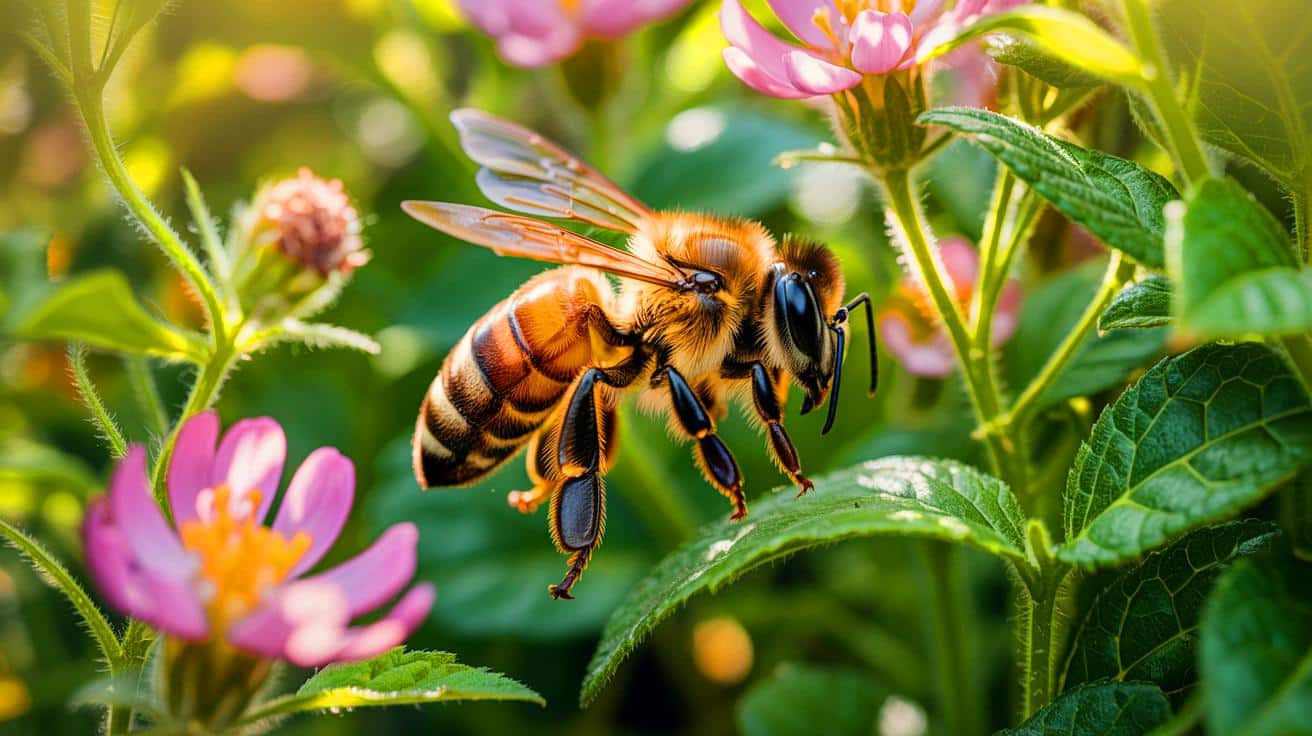
Wild honeybees, once abundant across Europe, have now been officially labeled as endangered, a development that could have profound implications for ecosystems and agriculture globally. This designation arrives after years of rigorous research and observation, highlighting a significant shift in the conservation landscape. While domesticated honeybees in hives are well-known, the plight of their wild counterparts has largely been overlooked. This newfound awareness underscores the urgency of addressing the threats facing these essential pollinators.
A Shift in Perception: Why Wild Honeybees Are in Danger
Honeybees have long been associated with industriousness and ecological balance, critical to both natural and human-made environments. Historically, they have been integral to agriculture, facilitating the pollination of numerous crops. However, the widespread belief that honeybees are flourishing has overshadowed the distressing reality for wild populations. Wild honeybees, which inhabit natural environments like tree cavities, face severe threats from habitat destruction, invasive species, and diseases. Managed honeybees benefit from human care, but wild bees lack such support, making them vulnerable.
The International Union for Conservation of Nature (IUCN) Red List has now categorized wild honeybees as endangered within the European Union. This decision follows extensive collaboration among researchers, notably the European Honey Bee Watch initiative, which highlighted the precarious state of these populations. Previously labeled as “data deficient,” wild honeybees now receive the attention they desperately need as scientists fill knowledge gaps regarding their habitats and population dynamics. This marks a pivotal moment for conservation efforts, demanding urgent intervention to protect these vital creatures.
Understanding Wild Honeybees: More Than Just Pollinators
The decline of wild honeybees signifies more than the loss of a species; it threatens the stability of ecosystems reliant on them for pollination. Wild honeybees are crucial for maintaining biodiversity and supporting agricultural systems. Unlike domesticated bees, wild honeybees are naturally adapted to their environments, possessing innate defenses against parasites and adverse conditions. These adaptations make them a genetic reservoir that could enhance resilience among both wild and managed bee populations.
The significance of wild honeybees extends beyond pollination. They are essential for food security, aiding in the production of fruits, vegetables, and nuts. The decline of these pollinators could lead to severe repercussions for global food supplies. Protecting wild honeybees is vital not only for preserving biodiversity but also for safeguarding the resilience of agricultural and food systems. As such, their conservation is a matter of urgent global importance.
The Impact of Human Activities: Habitat Loss and Disease
Human activities have significantly contributed to the decline of wild honeybees. One of the most pressing threats is habitat loss caused by urbanization and agricultural expansion. As natural areas are converted for development, wild bees lose essential nesting sites and access to diverse plant life necessary for survival.
In addition to habitat destruction, invasive species and diseases exacerbate the challenges facing wild honeybees. The Varroa destructor mite, for example, has wreaked havoc on bee populations across Europe, weakening their immune systems. Hybridization with managed colonies further jeopardizes the genetic integrity of wild populations, diminishing their long-term survival prospects. These factors collectively underscore the need for immediate conservation efforts to mitigate human-induced threats.
What Can Be Done to Protect Wild Honeybees?
Recognizing wild honeybees as endangered is a crucial first step, but further action is necessary to avert their extinction. Conservationists advocate for preserving natural habitats, reducing pesticide use, and implementing improved management practices for both wild and managed bees. Governments and organizations are urged to increase funding for bee research and conservation initiatives.
Public awareness campaigns can play a pivotal role in highlighting the importance of wild honeybees and fostering community-led conservation efforts. Simple actions, such as planting wildflowers, creating bee-friendly environments, and supporting organic farming, can significantly enhance habitats for bees. As individuals and communities unite to protect these vital pollinators, the question remains: how can we further mobilize global efforts to ensure the survival of wild honeybees for future generations?

Wow, I had no idea wild honeybees were in so much trouble! What can everyday people do to help? 🐝
Wow, I had no idea wild honeybees were endangered! What can we do to help? 🐝
This is so sad. Are there any success stories of recovering wild honeybee populations anywhere in the world?
Thanks for shedding light on this critical issue. Awareness is the first step to change! 🌍
This is really alarming. Are there any success stories of wild bee conservation efforts?
How do wild honeybees differ from the ones we see in hives? Aren’t they all the same?
Really makes you think about the impact of urbanization on wildlife. What a shame! 😞
Great article! Thanks for bringing attention to this critical issue. 🌍
Why are wild honeybees more important than managed ones? Can’t we just breed more bees?
Great article! Would love to see more pieces on how to create bee-friendly gardens.
Why are wild honeybees more vulnerable than domesticated ones? 🤔
Why aren’t governments doing more to protect these bees if they’re so crucial?
Is there a way to donate to research initiatives focused on saving wild honeybees?
Maybe if we plant more flowers, we’ll have more bees! 🌸
Are there any specific plants or flowers that can help wild honeybees thrive? 🌸
Interesting read, but felt a bit alarmist. Haven’t bees always been resilient?