



| IN A NUTSHELL |
|
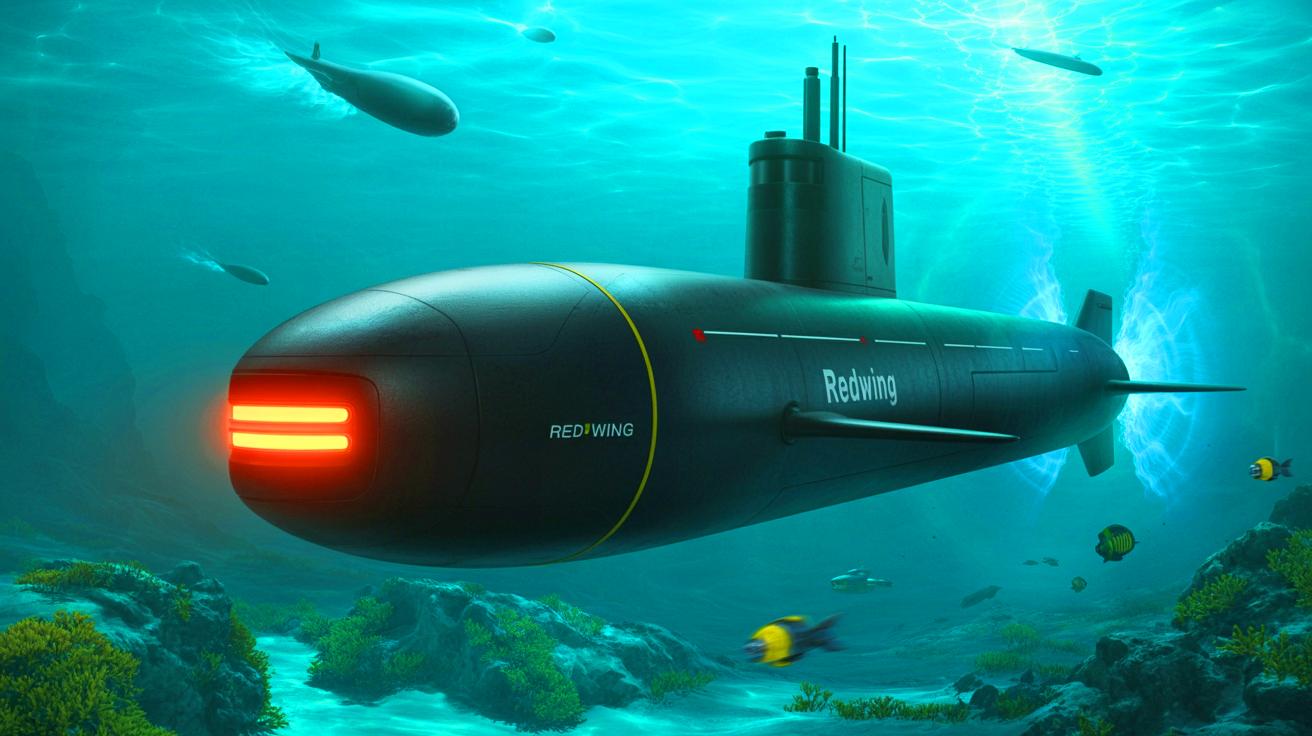
The ambitious Sentinel Mission aims to redefine our understanding of oceanography through the deployment of an innovative robotic submarine named Redwing. This state-of-the-art underwater glider is set to embark on a pioneering journey from Martha’s Vineyard in Massachusetts, charting a course around the globe. Spearheaded by Teledyne Marine and Rutgers University, the mission is a collaborative effort supported by prominent organizations such as NOAA, the UN Ocean Decade, and the Marine Technology Society. As Redwing prepares to make history as the first autonomous underwater vehicle to circumnavigate the world, it promises to bring groundbreaking advancements in oceanographic data collection and maritime research.
Mission Aims to Enhance Oceanographic Data Collection
The Sentinel Mission is not just a technological feat; it is a crucial step forward in enhancing oceanographic data collection and analysis. By leveraging Redwing’s capabilities, the mission seeks to bolster marine research and conservation efforts. The data collected will play a vital role in improving maritime security and surveillance, offering a robust platform for researchers and policymakers alike. Redwing, a sophisticated Slocum Sentinel Glider, is designed for ultra-long endurance, enabling it to conduct persistent ocean monitoring for over a year. This next-generation glider is poised to tackle a wide range of oceanographic missions, showcasing the potential of cutting-edge technology in expanding our understanding of the oceans.
The mission is a testament to the advancements in autonomous oceanographic technology, aiming to fill gaps in our current data collection capabilities. By operating independently over vast distances and diverse marine environments, Redwing will provide invaluable insights into oceanic conditions and phenomena. The project underscores the importance of innovative solutions in addressing global challenges related to ocean health and sustainability.
“They’ve Been Hiding This Monster”: Student Discovers 23 Foot Killer Dinosaur In Museum Storage
Additional Batteries, More Space for Sensors
The Redwing glider is equipped with enhanced features that significantly boost its operational capabilities. It boasts a larger volume to accommodate additional batteries, ensuring extended mission endurance. This increased capacity allows the glider to operate multiple high-powered sensors simultaneously, facilitating comprehensive data collection. With the ability to carry up to eight sensors, Redwing can capture a diverse array of oceanographic data, supporting a wide range of research objectives.
Moreover, the glider’s design includes ample internal space for sensors and external hardware integrations. This flexibility makes it a versatile tool for various scientific missions, allowing researchers to customize its loadout based on specific requirements. The global oceanographic community is eagerly anticipating the insights that Redwing will provide, with the Slocum Glider User’s Conference in Woods Hole serving as a platform for collaboration and knowledge sharing. The conference will culminate in the official launch of the Sentinel Mission, marking a significant milestone in autonomous underwater exploration.
Glider Can Conduct Deep Underwater Operations
One of Redwing’s most remarkable capabilities is its ability to perform deep underwater operations. The glider can submerge to depths of 3,280 feet, enabling it to explore areas of the ocean that are typically challenging to access. This capability is crucial for studying deep-sea environments and collecting data on marine ecosystems that are often shrouded in mystery. During its journey, Redwing will follow the historic path of Ferdinand Magellan’s 1519-1522 circumnavigation, visiting key locations such as Gran Canaria, Cape Town, Western Australia, New Zealand, and the Falkland Islands before returning to Cape Cod. This extensive route, spanning approximately 45,000 miles, offers a unique opportunity to gather comprehensive oceanographic data across various regions.
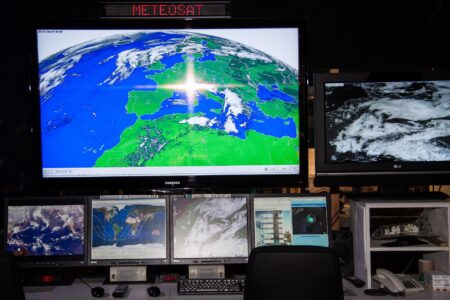
As Redwing travels, it will periodically ascend to the ocean surface to transmit collected data to satellites, ensuring continuous communication with researchers. This data transmission occurs every 12 hours, providing timely updates on the glider’s progress and findings. The mission’s success could pave the way for future autonomous explorations, setting a new standard for remote oceanographic research.
Implications for Future Ocean Exploration
The Sentinel Mission represents a significant leap forward in the field of ocean exploration, with far-reaching implications for future research endeavors. By demonstrating the feasibility of long-duration, autonomous underwater missions, Redwing paves the way for more ambitious projects that could unlock new insights into the ocean’s depths. The mission’s outcomes will likely influence the development of new technologies and methodologies for studying the marine environment, contributing to a better understanding of ocean dynamics and their impact on global ecosystems.
The collaboration between academic institutions, government agencies, and private industry exemplifies the importance of multidisciplinary efforts in tackling complex scientific challenges. As the world grapples with pressing issues such as climate change and marine biodiversity loss, the data collected by Redwing could inform strategies for sustainable ocean management and conservation. This mission highlights the potential of innovative technology to drive scientific discovery and inspire future generations of oceanographers and researchers.
As Redwing embarks on its historic journey, it challenges us to reconsider our relationship with the ocean and the role of technology in unlocking its secrets. The success of the Sentinel Mission could redefine the boundaries of autonomous exploration, offering new possibilities for understanding and protecting the world’s oceans. How will these advancements shape the future of oceanographic research, and what new discoveries await us beneath the waves?


This sounds like a game-changer for ocean research! 🌊 Can’t wait to see what Redwing discovers.
Wow, 45,000 miles!! That’s like going around the Earth almost twice! 🌍
Does this mean we might finally find Atlantis? 😉
How long will the mission take to complete? Seems like a huge undertaking.
What measures are in place to ensure the glider doesn’t disturb marine life?
Is anyone else worried this glider might wake up some ancient sea creature? 🐙
Wow, 45,000 miles is no joke! How long will the mission take in total?
Can Redwing withstand severe ocean storms? 🤔
How do they maintain the glider if it’s out at sea for so long?
This is amazing! Thank you for the detailed write-up. 😊
Can’t help but wonder, what if it gets eaten by a giant squid? 🦑
What will happen if the glider loses contact with the satellites?
What kind of data are they expecting to collect, and how will it be used?
Are there any plans to share the data collected with the public? 📊
Is there any real-time tracking available for the public to follow its journey?