


| IN A NUTSHELL |
|
Insects are the most ubiquitous organisms on Earth, adapting to diverse habitats from volcanic islands to Arctic ice. However, recent research indicates a troubling decline in insect populations, even in remote areas untouched by direct human activity. This phenomenon, termed the ‘Insect Apocalypse’, suggests that climate change might be a significant factor contributing to this decline. A study spanning two decades in a mountain valley in the Colorado Rockies reveals a dramatic drop in insect numbers as summer temperatures rise, raising concerns about the broader implications for global ecosystems.
The Importance of Insects in Ecosystems
Insects play a crucial role in maintaining the health of ecosystems. They are integral to processes such as pollination, decomposition, and serving as a food source for other wildlife. Without insects, many plants would struggle to reproduce, leading to a cascading effect on food chains and biodiversity. This highlights the potential catastrophic impact of their decline on global ecosystems.
The current decline in insect populations is alarming because it threatens the stability of natural environments. Insects are vital for pollinating crops and wild plants, which in turn support larger animals. Their diminishing numbers could lead to reduced crop yields and a decline in plant species diversity. This would have significant repercussions for food security and ecosystem health.
Moreover, insects contribute to nutrient cycling by breaking down organic matter. Their decline could disrupt this process, leading to an accumulation of waste and a decrease in soil fertility. This would further impact plant growth and, consequently, the entire food web. The loss of insects, therefore, poses a direct threat to ecological stability and resilience.
Research Findings From the Colorado Rockies
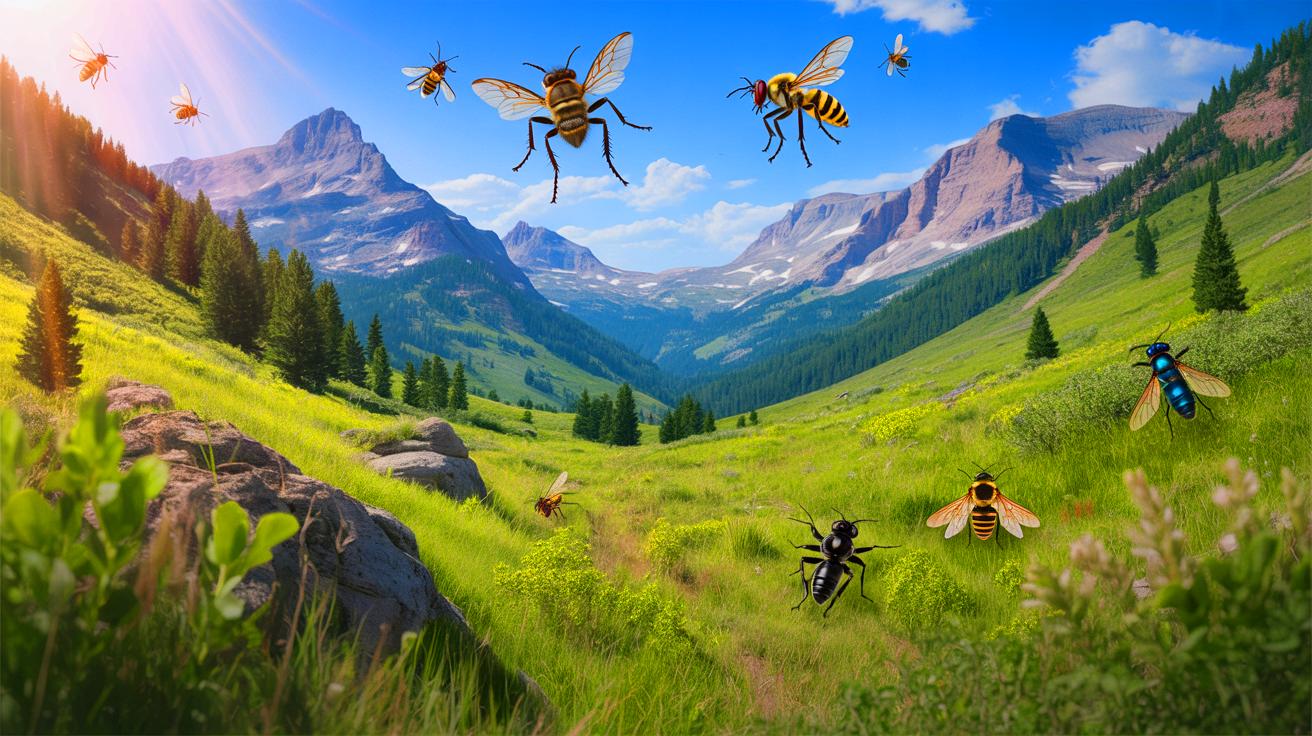
Keith Sockman, a biologist from UNC Chapel Hill, conducted a long-term study in a remote mountain valley in the Colorado Rockies. Over two decades, he monitored flying insect populations and observed a significant decline, particularly as summer temperatures increased. This area, largely untouched by human activity, offered a unique opportunity to study the effects of climate change on natural ecosystems.
Sockman's research involved setting up traps in a wet meadow at Molas Pass, Colorado. Each year, his team would collect and count insects from spring to fall. The data revealed a stark 72.4% decrease in insect populations from 2004 to 2024. This decline was strongly correlated with rising summer temperatures, suggesting that climate change is a key driver.
The study focused on Diptera and Hemiptera, with occasional findings of Hymenoptera. These groups are crucial for pollination and pest control, making their decline particularly concerning. Sockman's findings underscore the vulnerability of even remote ecosystems to climate change, challenging the assumption that untouched wilderness areas are safe from environmental threats.
Understanding the Drivers of Insect Decline
While human activities like habitat destruction and pesticide use are well-known contributors to insect decline, Sockman's study suggests that climate change is a significant factor even in pristine environments. Insects are ectothermic, meaning they rely on external temperatures to regulate their body heat. This makes them particularly susceptible to temperature fluctuations caused by climate change.
Higher temperatures can disrupt insect life cycles, affecting reproduction and survival rates. This is especially true for species adapted to specific climatic conditions, which may struggle to cope with rapid changes. The study highlights the need to consider climate change as a major driver of biodiversity loss, even in areas with minimal human impact.
Understanding these drivers is crucial for developing effective conservation strategies. Protecting insect populations requires a multifaceted approach, addressing both direct human impacts and broader environmental changes. This involves reducing greenhouse gas emissions, preserving natural habitats, and promoting biodiversity-friendly practices in agriculture and urban planning.
The Broader Implications for Biodiversity
The decline of insect populations in remote areas has significant implications for global biodiversity. Mountains, like the Colorado Rockies, are biodiversity hotspots, home to many endemic species. The decline observed in Sockman's study raises concerns about the future of these unique ecosystems.
If insect populations continue to decline, other species that rely on them for food or pollination will also be affected. This could lead to a loss of species diversity and a breakdown of ecological networks. The potential migration of insects to higher elevations in response to rising temperatures further complicates conservation efforts, as it may lead to increased competition and ecological shifts.
These findings underscore the importance of protecting biodiversity in all its forms. Insects are a vital component of ecosystems, and their decline could have far-reaching consequences. Efforts to mitigate climate change and preserve natural habitats are essential to safeguarding the planet's biodiversity and ensuring the resilience of ecosystems in the face of environmental change.
The research conducted in the Colorado Rockies highlights the critical need to address the factors driving insect decline. As we face the challenges of climate change, understanding its impact on biodiversity is more important than ever. How can we balance human development with the preservation of vital ecosystems to ensure a sustainable future for all species?



Wow, 72% decline? That’s terrifying! What can we do to help stop this? 😨
Wow, 72% is huge! Are there any steps we can take to reverse this trend? 🐝
Could this be a natural cycle, or is climate change the sole culprit?
Is this decline happening in other places too, or just in Colorado?
Thank you for shedding light on this issue. It’s truly alarming.
Great article! Thanks for shedding light on this important issue. 🌿
72% decline is shocking. What can we do on an individual level to help?
So what are the scientists doing about this? Are there any conservation efforts in place?
Do other studies corroborate these findings? Seems quite drastic!
Great article! But why aren’t more people talking about this? 🤔
Why is this not making bigger headlines? This seems like a huge deal!
The climate change impact is undeniable. Time to act is now!
Insects are gross, but I guess we need them. Who knew? 😅
This is terrifying! I hope it’s not too late to save them. 😟