




| IN A NUTSHELL |
|
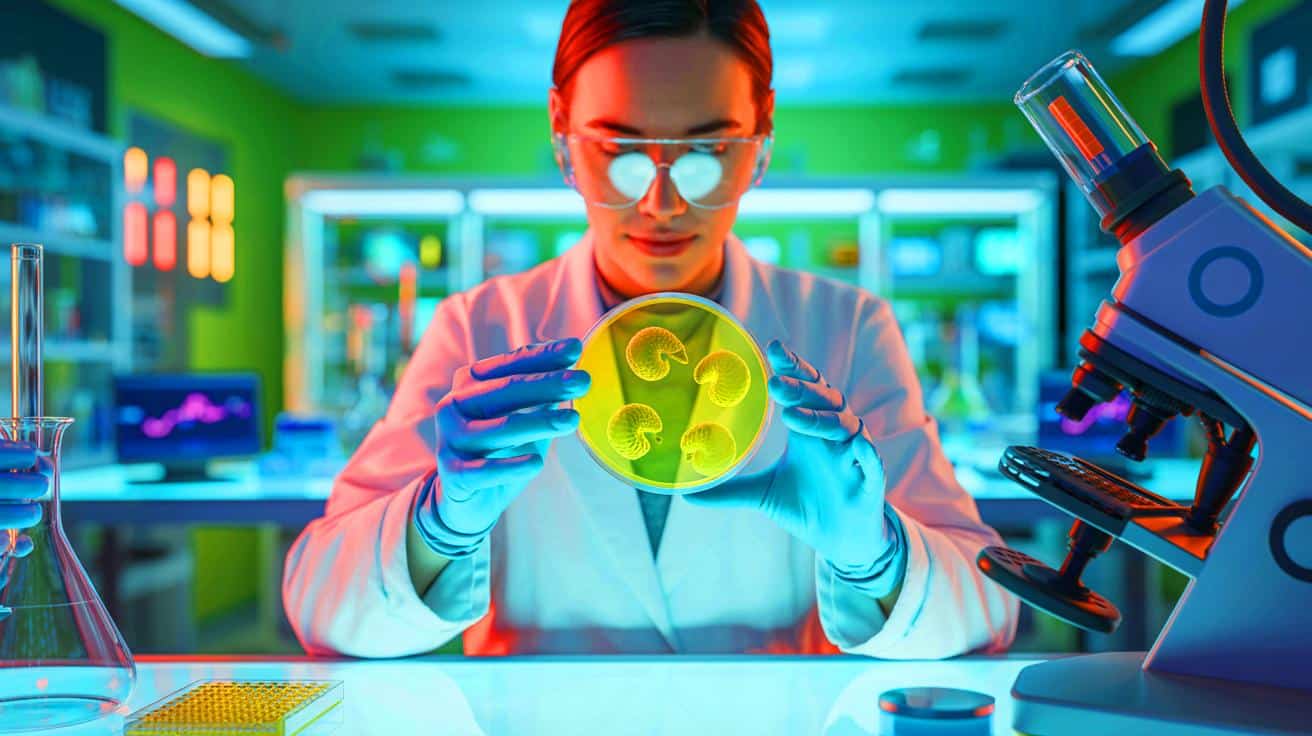
The possibility of bringing back the dodo, a bird that has been extinct for over 300 years, is no longer just the stuff of science fiction. In a groundbreaking development, Colossal Biosciences has announced a significant step forward in its ambitious project to resurrect this iconic species. By successfully growing pigeon primordial cells—precursors to sperm and eggs—the Texas-based biotech firm has moved one step closer to achieving what many once thought impossible. This breakthrough not only opens up new avenues for the dodo project but also holds promise for broader bird conservation efforts. As scientists continue to explore the potential of de-extinction, the world watches with cautious optimism.
The Process of Resurrection
The journey to potentially bringing the dodo back to life involves a complex and intricate process. After successfully growing primordial germ cells, Colossal scientists plan to edit these cells with dodo-specific genes. The next step involves placing the edited cells into sterile chicken embryos, effectively turning these chickens into surrogates. When these chickens breed, their offspring could potentially carry eggs and sperm with dodo traits. Over several generations, this could result in living birds that bear a striking resemblance to the long-extinct dodo.
Floating Wind Turbines Now Generate Power in Deep Waters as France Completes World’s First Project
Ben Lamm, Colossal’s chief executive, has shared a tentative timeline for when the results of this experiment might be visible. “Rough ballpark, we think it’s still five to seven years out, but it’s not 20 years out,” he stated. The company is also in collaboration with wildlife groups to identify safe, rat-free habitats in Mauritius where the dodo could thrive once again. This careful planning underscores the project’s commitment not just to scientific achievement but to ecological responsibility.
A Timeline for the Project
Colossal Biosciences first made headlines in 2023 with a $150 million grant to fund its de-extinction efforts. This financial backing was further bolstered by an additional $120 million, bringing the total funding to a substantial $555 million. Such financial support underscores the project’s ambitious scope and the potential it holds for scientific and ecological advancement.
The dodo is not the only species on Colossal’s de-extinction agenda. The company has also announced plans to revive other extinct species, including the Tasmanian tiger, New Zealand’s giant moa, and woolly mammoths. Earlier this year, Colossal claimed to have brought dire wolves out of extinction using a novel iterative genome assembly method. The collaboration with the Mauritian Wildlife Foundation to create suitable habitats for the dodo highlights the comprehensive approach the company is taking in its de-extinction efforts.
Is ‘De-Extinction’ Possible?
The concept of de-extinction raises both hope and skepticism. Critics argue that resurrecting an animal that has been extinct for centuries is implausible. However, Colossal’s approach does not aim to create a genetically identical replica of the extinct species. Instead, the goal is to develop animals that possess key traits of the dodo, effectively creating a modern version of the species.
While this approach might appear feasible, it is not without its challenges. Conservationists have raised concerns about the ethical implications and potential risks associated with using existing species in such experiments. The protection and welfare of these animals remain a crucial consideration as the project progresses. Whether Colossal can overcome these challenges and succeed in its mission remains to be seen. The endeavor, however, continues to captivate the imagination and hopes of many in the scientific community and beyond.
The resurgence of interest in de-extinction, particularly with the dodo, marks a significant moment in the intersection of science and conservation. While Colossal Biosciences pushes the boundaries of what is scientifically possible, the ethical and ecological implications of such projects continue to be a topic of debate. As the world watches and waits, the central question remains: Can we responsibly bring back extinct species, and if so, what does this mean for the future of conservation and biodiversity?


Wow, I never thought I’d see the day when dodos might walk the earth again! 🦤
Wow, this is like Jurassic Park but with birds! 🦤
Bringing back species sounds cool, but what about the ones we are losing now?
Impressive science, but I hope they have a plan for the ethical considerations.
So, when can we expect to see the first dodo hatchling?
This could open doors for saving endangered species. 🌍
What a waste of resources. Focus on saving what we have now!
How do they ensure these new dodos won’t become invasive?
Are there any health risks to the surrogate chickens?
Will these dodos be the same as the original ones? 🤔
This is great news for science! Keep up the good work. 👍
Wow, science fiction is becoming reality! What’s next?
Will they be able to survive in the wild, or will they need special care?
Incredible project! But what about the ethical implications?
Why not use the money to preserve current species instead?
Can they also bring back the dinosaurs? Asking for a friend. 😂
Hope they consider the impact on local wildlife in Mauritius.
Is this a publicity stunt or actual science?
What do they plan to do with the dodos once they’re back?
Great, now we can have dodo burgers! Just kidding. 😜
How do they ensure genetic diversity in these new dodos?
Is this really ethical? What if it disrupts the current ecosystem?
Not sure how I feel about playing God with nature.
Are there any plans to involve the public in this project?
What if this leads to unforeseen consequences in the ecosystem?
Could this technology help with endangered species conservation?
How long until we see similar attempts with other extinct animals?
This is a milestone for genetic engineering! 👏
This is amazing, but are we sure we’re not playing God here?
Seems like a slippery slope. Where do we draw the line?
Why dodos? Aren’t there more important species to focus on?
Is this just about science, or is there a financial motive here?
Don’t get me wrong, I love dodos, but is this practical?
Do they have a plan for integrating dodos into modern ecosystems?
Can’t wait to see a real-life dodo! Hope it doesn’t take too long. 😍
Thank you for sharing this incredible breakthrough! The possibilities are endless.
555 million dollars for a bird? Seems like a lot of money for a long shot.
555 million dollars?! That’s a lot of chicken feed! 😂
How do they choose which extinct animals to bring back?
How do they ensure the surrogate chickens don’t suffer in the process?
What if the dodo doesn’t adapt well to today’s environment?