




| IN A NUTSHELL |
|
The discovery of a new dinosaur species in Mongolia’s Gobi Desert has captivated the scientific community. Named Zavacephale rinpoche, this dome-headed dinosaur roamed the Earth approximately 108 million years ago during the Early Cretaceous period. This find is particularly significant as it represents the most complete and oldest fossil of its kind to date. The fossil, unearthed by paleontologists from North Carolina State University, has been described as a “once-in-a-lifetime discovery.” The research offers fresh insights into the unique characteristics and behaviors of pachycephalosaurs, a group of dinosaurs recognized for their distinctive head adornments. The fossil’s exceptional preservation provides a rare opportunity to study the anatomy and lifestyle of these ancient creatures in greater detail.
The Significance of the Discovery
The discovery of Zavacephale rinpoche in the Gobi Desert marks a pivotal moment in paleontology. This new species extends the fossil record of pachycephalosaurs by at least 15 million years, offering a window into the distant past. Paleontologists from North Carolina State University announced this groundbreaking finding, emphasizing its significance not just for its age, but also for its completeness and preservation.
Lindsay Zanno, head of paleontology at the North Carolina Museum of Natural Sciences, highlighted the rarity of such discoveries. Most pachycephalosaur fossils are fragmentary, often limited to isolated pieces of skulls. This specimen, however, includes an intact dome, providing invaluable data on the species’ anatomy and development. Such discoveries are crucial in understanding the evolutionary trajectory of these dinosaurs.
“It is remarkable for being the oldest definitive pachycephalosaur,” Zanno noted. This statement underscores the importance of the find in providing new insights into the early evolution of dome-headed dinosaurs, a group known for their unique cranial structures.
Understanding the Habitat and Behavior
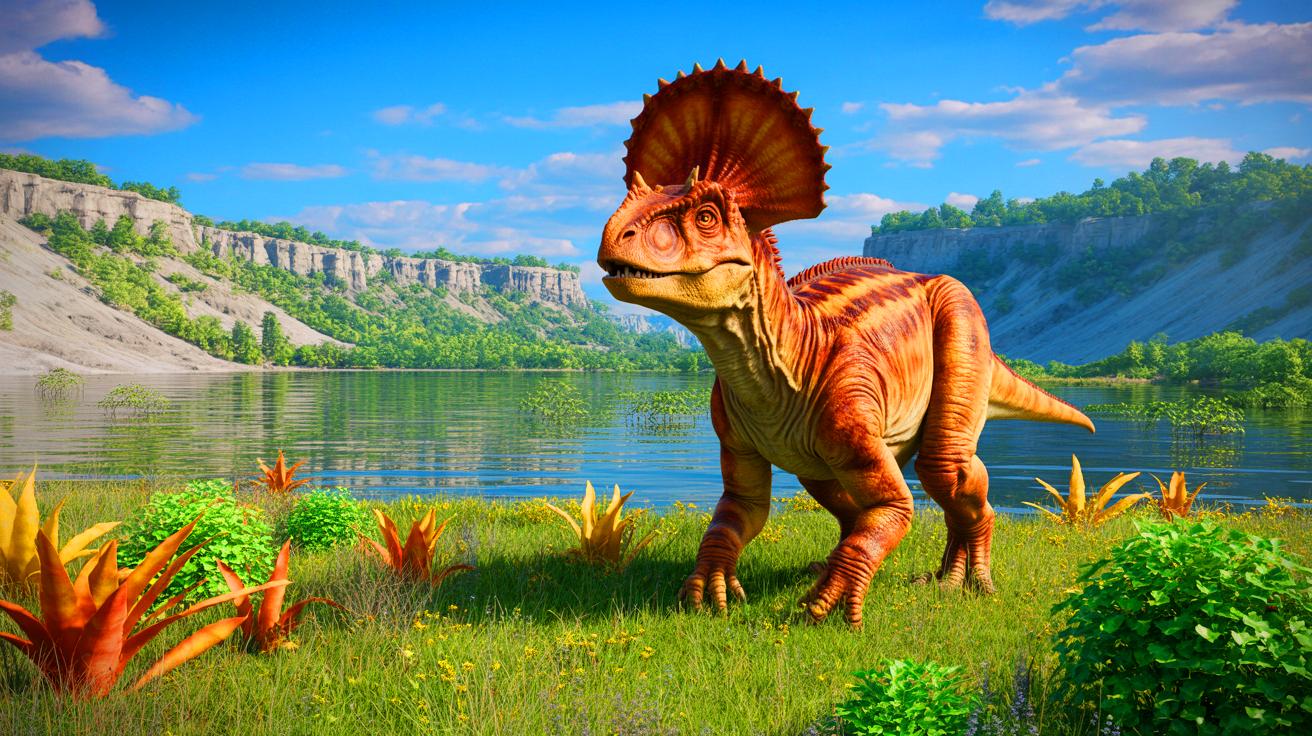
The fossilized remains of Zavacephale rinpoche were discovered in the Khuren Dukh locality of Mongolia’s Eastern Gobi Basin. This region, 108 million years ago, was a lakeside valley surrounded by cliffs and steep slopes. The environment would have provided ample resources for a plant-eating dinosaur such as Zavacephale.
Pachycephalosaurs, including this newly discovered species, were primarily herbivorous. Adults could reach lengths of up to 14 feet and heights of seven feet, weighing between 800 and 900 pounds. Despite their size, these dinosaurs are often depicted engaging in headbutting contests, a behavior thought to be linked to social and sexual interactions.
According to the research team, the large head domes of these dinosaurs were likely used in socio-sexual behaviors, such as attracting mates and competing for territory. “If you need to headbutt yourself into a relationship, it’s a good idea to start rehearsing early,” Zanno humorously remarked, highlighting the potential role of these domes in mating rituals.
Implications for Paleontology
The discovery of Zavacephale rinpoche provides valuable insights into the evolutionary history of pachycephalosaurs. As the most skeletally complete specimen found to date, it offers a unique opportunity to study the physical characteristics and possible behaviors of these ancient creatures.
Tsogtbaatar Chinzorig, lead author from the Mongolian Academy of Sciences, emphasized the importance of this find. The fossil belongs to a juvenile dinosaur, yet it already possessed a fully formed head dome. This suggests that such cranial structures developed early in the life of these dinosaurs, possibly serving important functions from a young age.
The well-preserved fossil also challenges previous assumptions about the timeline of pachycephalosaur evolution. By pushing back their fossil record by at least 15 million years, this discovery prompts a re-evaluation of existing theories about the diversification and adaptation of these dinosaurs in prehistoric ecosystems.
Future Research Directions
The discovery of Zavacephale rinpoche opens new avenues for research into the behavior and ecology of dome-headed dinosaurs. The well-preserved specimen provides a rare opportunity to explore the anatomical features and potential functions of these unique cranial structures.
Future studies may focus on the biomechanics of headbutting behavior, considering the structural integrity and potential risk involved in such interactions. Additionally, researchers could investigate the role of these domes in social hierarchies and mating strategies within pachycephalosaur communities.
Further exploration of the Gobi Desert may yield additional fossils, offering more comprehensive insights into the diversity and distribution of pachycephalosaurs during the Early Cretaceous period. As paleontologists continue to unearth new specimens, the story of these fascinating creatures will undoubtedly evolve, enriching our understanding of prehistoric life.
The discovery of Zavacephale rinpoche is a testament to the enduring allure of paleontology. As researchers delve deeper into the mysteries of this ancient species, they are reminded of the vast unknowns that still exist in the fossil record. What other secrets might the Gobi Desert hold, waiting to be uncovered by the next generation of scientists?



Wow! Dinosaurs had such fascinating mating rituals! Who knew headbutting could be romantic? 🦕
Wow, headbutting for romance! Dinosaurs sure knew how to make an impact! 😂
Thanks for the article! I had no idea dinosaurs had such complex social lives!
Does this mean Zavacephale rinpoche was like the peacock of the dinosaur world? 🦚
I love learning about dinosaur behaviors. Keep up the great work!
Can’t believe these headbutting dinos were real! What a time to be alive back then! 😄
Was this behavior unique to Zavacephale rinpoche, or did other species do this too?
How did the researchers confirm the age of the fossil? Always wonder about that process.
The fact that juvenile dinosaurs had fully formed domes is mind-blowing! Nature is amazing.
Does this finding affect existing theories about dinosaur evolution?
Headbutting dinos for romance sounds like a prehistoric rom-com! 😂
Incredible discovery! Could these domes have had other purposes aside from mating?
Could these headbutting rituals have led to any injuries among the dinosaurs? 🤔
This article was super informative, thank you! 🦕
Are there any modern animals that use similar behaviors for mating?
So cool to see how much we can learn from fossils! Keep these discoveries coming! 😊
Can’t help but imagine a dinosaur dance-off! 🕺🦖
How does this discovery change our understanding of the Cretaceous ecosystem?
I’m curious, how do scientists differentiate between mating and territorial behaviors?
This is an amazing discovery. How can they be sure the headbutting was related to mating and not just territorial disputes?
Great article, but I wish there was more detail on how these conclusions were reached.
Dinosaurs were headbutting for love…what a wild world it must have been!
The preservation of this fossil is truly remarkable. Kudos to the scientists involved!
Maybe these dinosaurs were just playing a prehistoric version of soccer! ⚽️
How common is it to find such well-preserved dinosaur fossils?
Imagine being a paleontologist and finding something like this. What a thrill!
Could headbutting have been a way to communicate among dinosaurs? Just a thought! 🤔
Thank you for such an informative article! It makes me appreciate the complexity of dinosaur behavior even more.
So if these dinosaurs were headbutting for sex, does that mean they had headaches more often than not? 😄
This is fascinating! How did they determine that headbutting was a mating ritual?
So, dinosaurs were the original headbangers? Rock on! 🎸🦖
Thanks for sharing this incredible find! It’s always exciting to learn more about dinosaur behaviors.
Great article, but I’m curious—how do researchers know these domes were used for mating rituals?
Is there any evidence of these headbutting behaviors in other dinosaur species or is it unique to pachycephalosaurs?
The more I learn about dinosaurs, the more I wonder what other quirky behaviors they had!
I’m skeptical. How do they know the head domes were used for mating rituals and not something else?
Interesting read, but doesn’t this sound a bit speculative? How certain can we be about these behaviors?