




| IN A NUTSHELL |
|
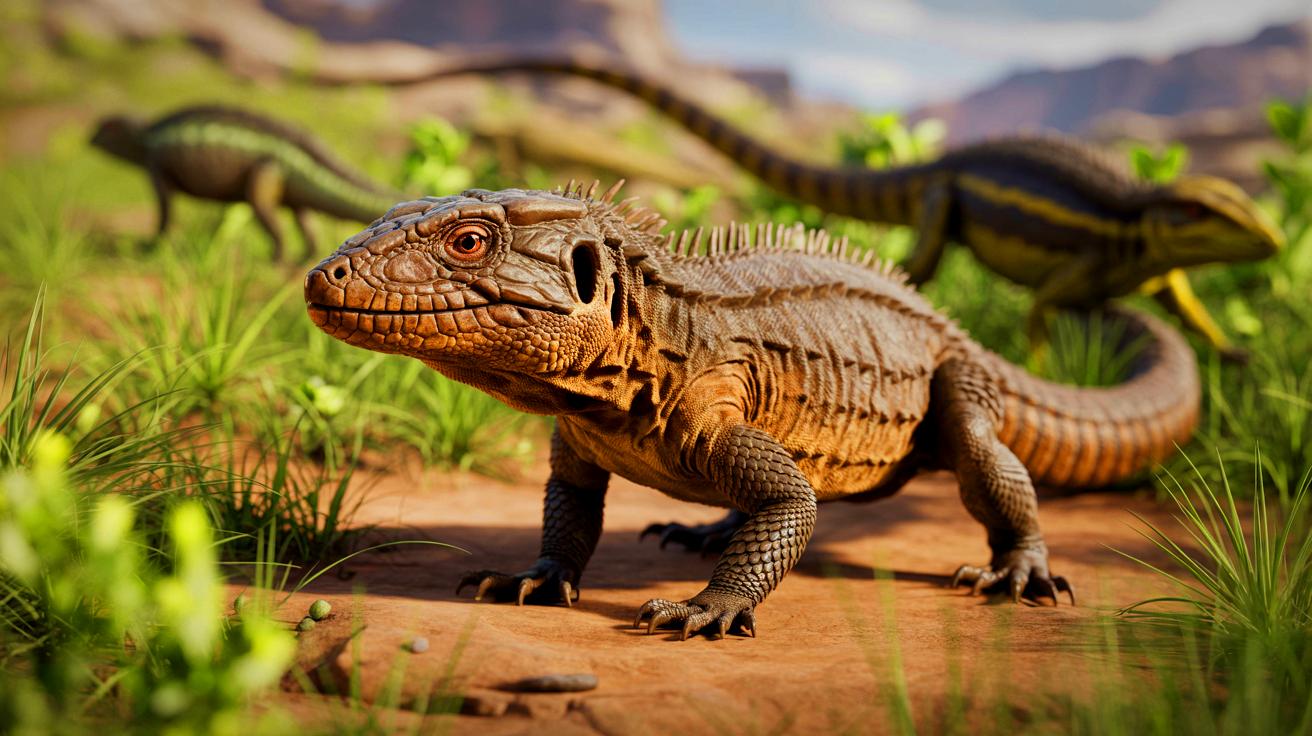
In a remarkable twist of fate, a new species of lizard has been identified not in the wild, but from a forgotten drawer in a museum. This raccoon-sized creature, named Bolg amondol, once roamed the earth during the Late Cretaceous period, along with the gigantic dinosaurs that dominate our imagination. The discovery, made from fossilized remains found in Southern Utah, reveals a surprising diversity of reptiles that thrived in ancient ecosystems. Named after the goblin prince from J.R.R. Tolkien’s “The Hobbit,” Bolg amondol presents an intriguing new chapter in paleontology, offering insights into the lifestyles of ancient lizards.
Fossil Hidden in a Museum Drawer
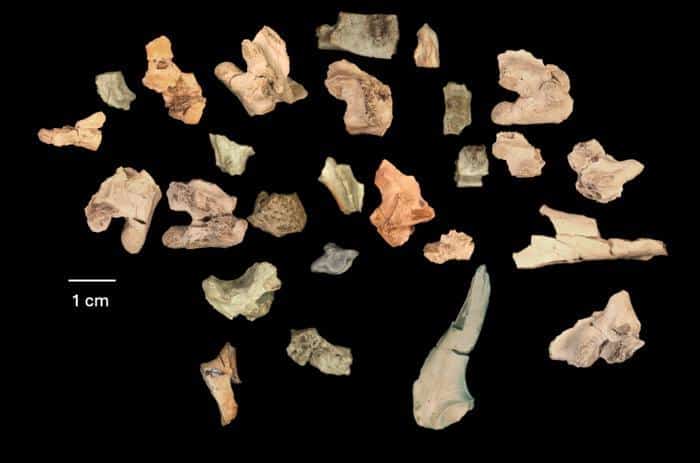
The discovery of Bolg amondol is a testament to the hidden treasures that reside within natural history museums. This incredible find wasn’t unearthed during an excavation but was instead found tucked away in a museum drawer for years. Hank Woolley, the lead author from the Natural History Museum of Los Angeles County’s Dinosaur Institute, stumbled upon the jar labeled ‘lizard’ at the Natural History Museum of Utah. He was astonished to find a fragmentary skeleton that would eventually reveal a new species.
This finding underscores the pivotal role that museums play in scientific discovery. Even small fragments can hold a treasure trove of information, offering a window into the past. Researchers painstakingly pieced together the story of this ancient lizard from bits of skull, limbs, vertebrae, and distinctive bony armor plates known as osteoderms. Despite their fragmentary nature, these pieces provided enough clues to place Bolg amondol firmly on the lizard family tree, enriching our understanding of the diverse reptilian life that existed 76 million years ago.
Bolg amondol: Closest Relative
The skeleton of Bolg amondol measures approximately three feet long, comparable to a modern Savannah monitor lizard. Its imposing size would make it a formidable presence in its ancient ecosystem. One of the most surprising aspects of Bolg amondol is its closest known relative, found thousands of miles away in Asia’s Gobi Desert. This connection suggests that not only large dinosaurs, but smaller creatures like this lizard, traversed ancient, once-connected continents.
The Kaiparowits Formation within Grand Staircase-Escalante National Monument, where Bolg was discovered, continues to be a paleontological hotspot. It offers an astonishing record of prehistoric life, providing insights into the ecosystems that existed millions of years ago. Co-author Joe Sertich from the Smithsonian Tropical Research Institute and Colorado State University suggests that the exceptional record of large lizards from this region highlights their role as smaller predators within dinosaur-dominated ecosystems, hunting eggs and small animals in the forests of Laramidia.
Significance of the Kaiparowits Formation
The Kaiparowits Formation is a treasure trove of paleontological discoveries. This area has yielded a wealth of information about the Late Cretaceous period, a time when dinosaurs roamed the earth. The discovery of Bolg amondol adds to the growing understanding of the diverse life forms that once inhabited this region. It’s remarkable how the fossilized remains, buried for millions of years, can provide a snapshot of an ancient world.
The formation offers a unique glimpse into the past, showcasing a stable and productive ecosystem where various species coexisted. The discovery of Bolg amondol, alongside other large lizard species, highlights the intricate web of life that thrived in this prehistoric environment. These findings contribute to a broader understanding of how life on earth has evolved, offering valuable insights into the dynamics of ancient ecosystems.
Implications for Modern Science
The discovery of Bolg amondol has far-reaching implications for modern science. It not only enriches our understanding of ancient ecosystems but also underscores the importance of preserving natural history collections. Museums around the world house countless specimens that may hold the key to unlocking the mysteries of the past. Bolg amondol serves as a reminder of the potential for groundbreaking discoveries hidden within these collections.
This finding also sheds light on the evolutionary history of lizards and their role in ancient ecosystems. By studying such fossils, scientists can piece together the evolutionary puzzle, tracing the lineage of modern reptiles back to their ancient ancestors. As researchers continue to explore these specimens, who knows what other secrets about our planet’s history remain to be uncovered?
The discovery of Bolg amondol is a fascinating chapter in the story of life on earth. It highlights the importance of museums in preserving the past and the potential for new discoveries hidden in plain sight. As we continue to explore our planet’s history, what other secrets might we uncover about the world that existed millions of years ago?


Wow, a goblin in the rocks! Sounds like something straight out of a fantasy novel. 🦎📚
Is it common for new species to be discovered in museum collections like this?
Why name it after a goblin? Is it just because of its looks?
This is a great reminder of how much we still don’t know about our planet’s history. 🌍
Loved the connection to Tolkien’s work. Adds a nice literary touch. 😊
Do you think there are more such ‘goblins’ waiting to be discovered in museums?
Who else thinks “Bolg amondol” would make a great band name? 🤘
Not sure how I feel about this article. Seems a bit sensationalized to me.
How do paleontologists piece together a species from such small fragments?
Thank you for the detailed explanation! Helps a lot in understanding the significance.
It’s amazing what museums can hold. A true treasure trove of history!
I’m curious, how does this impact our understanding of reptilian evolution?
Does Bolg amondol have any living relatives today?
This discovery is both terrifying and fascinating at the same time. 😱
Great read! The connection between continents and creatures is mind-blowing.
How do they know Bolg amondol’s closest relative is in the Gobi Desert?
Are there any plans to display the Bolg amondol fossils in a museum exhibit?
Just when you think you’ve heard it all, a goblin lizard pops up. 😂
I’m grateful for the work scientists do to uncover these hidden histories.
If these fossils were forgotten, how many more are out there waiting to be found?
Isn’t it ironic that something so ancient can be ‘discovered’ in modern times?
What kind of tools do scientists use to analyze such ancient fossils?
Really enjoyed this article! Makes me want to visit my local natural history museum. 👏
Could this discovery change our understanding of the Late Cretaceous period?
What a cool find! I’m curious about what other species lived alongside Bolg amondol.
This is so intriguing! How do they determine the age of such fossils?
Can anyone explain why these fossils were forgotten in a museum drawer? Seems like a big oversight!
Is it possible that the ‘goblin’ description is just a bit exaggerated?
Imagine being the person who found this in a drawer. What a moment! 😲
Thanks for the info, but I wish there were more pictures included in the article.
So fascinating! Thank you for bringing this discovery to light. 🙏
I’m skeptical. How do scientists determine it’s a new species based on just fragments?
This article is awesome! I love learning about ancient creatures. 🦖