



| IN A NUTSHELL |
|
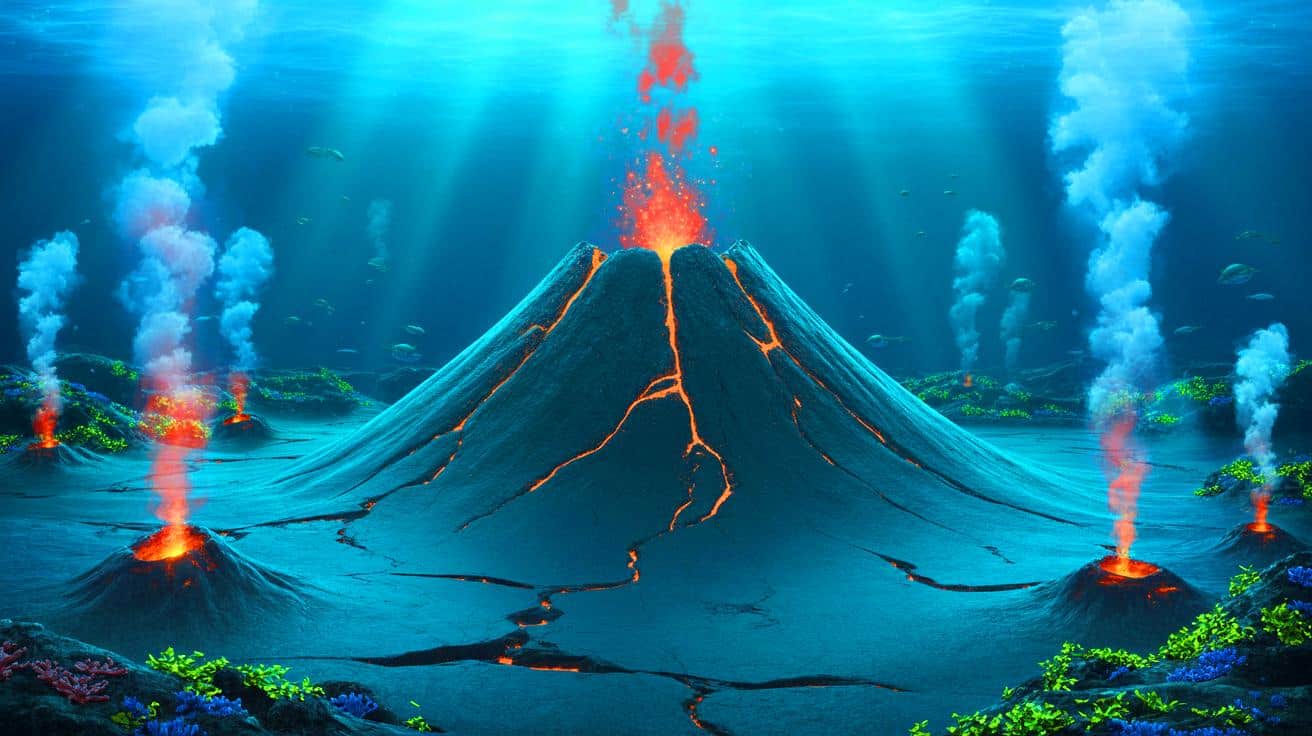
Deep beneath the surface of the Pacific Ocean, a geological marvel is stirring. The Axial Seamount, located 300 miles off the coast of Oregon, is an underwater volcano showing signs of an impending eruption. For years, scientists have monitored this volcano due to its unique characteristics and the rare opportunity it presents for observation. Recent increases in seismic activity and pressure beneath its surface have drawn significant attention. Despite its remote location, an eruption could have profound impacts on nearby marine ecosystems. Researchers are leveraging advanced technology to study this phenomenon, providing invaluable insights into the dynamic processes occurring beneath the ocean’s depths.
A Restless Giant Beneath the Waves: Looming Eruption or Rare Research Window?
The Axial Seamount is one of the most closely studied underwater volcanoes, thanks to its position at the intersection of tectonic plates, creating a natural laboratory for scientists. The last major eruption occurred in 2015, and since then, there have been numerous signs of potential volcanic activity. Increased seismic events, changes in hydrothermal vent behaviors, and seafloor swelling indicate that an eruption may be on the horizon. Despite its distance from land, the potential eruption holds significant scientific value, offering a rare glimpse into deep-sea volcanic processes.
Researchers employ a sophisticated network of underwater sensors to monitor the volcano in real-time. This technology allows scientists to gather critical data without the need to be physically present, reducing risk while enhancing understanding. The insights gained from studying Axial Seamount contribute to broader knowledge of volcanic activity and its implications for marine ecosystems. While the eruption might go unnoticed by those on land, its effects on the underwater world could be substantial, providing both challenges and opportunities for scientific advancement.
Life on the Edge: Fragile Deep-Sea Worlds Facing Fire and Renewal
The potential eruption of Axial Seamount poses a significant threat to the delicate ecosystems surrounding hydrothermal vents. These vents are vital for sustaining unique marine life, offering habitats rich in minerals that support diverse organisms. While an eruption could devastate these ecosystems, past events suggest that life is resilient and capable of returning within months. The dynamic nature of these environments offers a fascinating glimpse into the processes of destruction and renewal under the sea.
Technological advancements have revolutionized the study of underwater volcanoes. The Ocean Observatories Initiative’s sensor network provides real-time data, enabling researchers to monitor seismic changes and eruptions remotely. This system includes live images and videos, offering unprecedented access to the seafloor. The ability to observe such processes in real-time enhances our understanding of how volcanic activity influences marine ecosystems and contributes to the broader field of geology. Scientists continue to explore these depths, unraveling the mysteries of the ocean floor.
Beneath the Waves: Challenges and Innovations in Monitoring
Monitoring underwater volcanoes like the Axial Seamount presents significant technical challenges. Sophisticated equipment, including seismic sensors, underwater cameras, and hydrophones, is essential for capturing data and providing a comprehensive view of the volcano’s activity. The Ocean Observatories Initiative plays a crucial role in this effort, offering a platform for continuous monitoring and research.
During an eruption, magma interactions with seawater produce low-frequency sounds captured by hydrophones. These sounds provide valuable insights into the eruptive process and help refine forecast models. By studying these acoustic signals, scientists gain a better understanding of how underwater volcanoes behave, contributing to improved predictive capabilities. This research holds the potential to enhance our ability to anticipate volcanic events and mitigate their impacts on marine life and human activities.
“The volcanic activity at Axial Seamount provides a unique opportunity for scientists to closely observe the geological and biological processes occurring in the depths of the ocean, with no immediate risk to populations on land,” Bill Chadwick, Research Associate, Oregon State University.
The scientific significance of Axial Seamount’s activity cannot be overstated. While it does not pose an immediate threat to human populations, its value as a research site is immense. By studying underwater volcanoes, scientists gain insights into volcanic processes that occur far from human observation. Advanced technologies enable safer and more effective research, enhancing our understanding of the natural forces shaping our planet. As researchers continue to explore these underwater worlds, the question remains: how will these studies influence our broader understanding of Earth’s geological and ecological systems?




Wow, an underwater volcano? That sounds both amazing and terrifying! 🌋
Wow, it’s amazing how much we still have to learn about underwater volcanoes! 🌋
Are these eruptions dangerous to people living on the coast or is it mainly a marine concern?
Is it possible for these eruptions to cause tsunamis? Asking for a friend. 😅
Incredible research! Thanks for sharing these insights. 👏
Thank you for the insightful article! It’s fascinating how technology aids in monitoring these natural phenomena. 🙏
I wonder how long it takes for marine ecosystems to recover after an eruption? 🤔
How often do underwater volcanoes erupt compared to land volcanoes?
Isn’t it fascinating how life adapts even in such extreme conditions? Nature’s resilience is astonishing!
Should people living on the coast of Oregon be worried about this? 😨
Does anyone know if there’s been any impact on fish populations around the Axial Seamount?
It’s mind-blowing to think about the ecosystems living near these vents. Nature is truly resilient!
Great article! But I’m curious, how accurate are these underwater sensors in predicting eruptions?
Can someone explain how these underwater sensors work in layman’s terms? 🤔
Another reason to love technology—real-time data from the ocean floor!
The ocean is rumbling back? Sounds like the plot of an epic movie! 🎬
What are the chances that this volcano will erupt in the next decade?
Are there any documentaries about Axial Seamount? I’d love to watch one.
Living on this planet is like being on a wild ride. You never know what’s coming next! 🌍
Do these volcanic events affect climate change in any way?
Is there any way to predict exactly when these eruptions will happen?
Can we visit these underwater sites or is it too dangerous?
I had no idea underwater volcanoes were so closely monitored. Fascinating read!
The more I read about our oceans, the more I realize how little we still understand them.
This sounds like a job for Aquaman! 🦸♂️
What kind of data do the seismic sensors collect during these events?
Thank you for highlighting the importance of marine ecosystems. They are often overlooked!
Cant wait to see what new discoveries will come from this research! 🚀
Could this affect fisheries or the seafood industry in any way?
Why aren’t more people talking about underwater volcanoes? This is so important!
When was the last time Axial Seamount erupted, and what were the effects?
How does the magma interact with seawater to produce sounds? That’s intriguing!
Is there any way to mitigate the impacts of such eruptions on marine life?
Just imagine the creatures that might be living around those hydrothermal vents! 🐙
Why does this sound like something out of a Jules Verne novel? 😄
Do these underwater volcanoes have any impact on ocean currents or temperatures?
Awesome article! Keep up the great work in bringing these hidden wonders to light. 😊
Will this research help us understand more about other planets with volcanic activity?
It’s cool to see how science and technology work hand in hand to unravel ocean mysteries! 🤓