


| IN A NUTSHELL |
|
As humanity grapples with unprecedented climate challenges, the Earth’s climate machinery appears to be undergoing a profound transformation. Once predictable weather patterns are now characterized by intensified storms, prolonged droughts, and rapidly melting glaciers. These changes, initially perceived as isolated incidents like the flash floods in California or the vanishing glaciers in Switzerland, collectively signify a major shift in global climate dynamics. At the heart of these transformations are key elements of the Earth’s climate system, which are now in motion, reshaping the environment in ways that demand urgent attention and action.
The World Must Face It
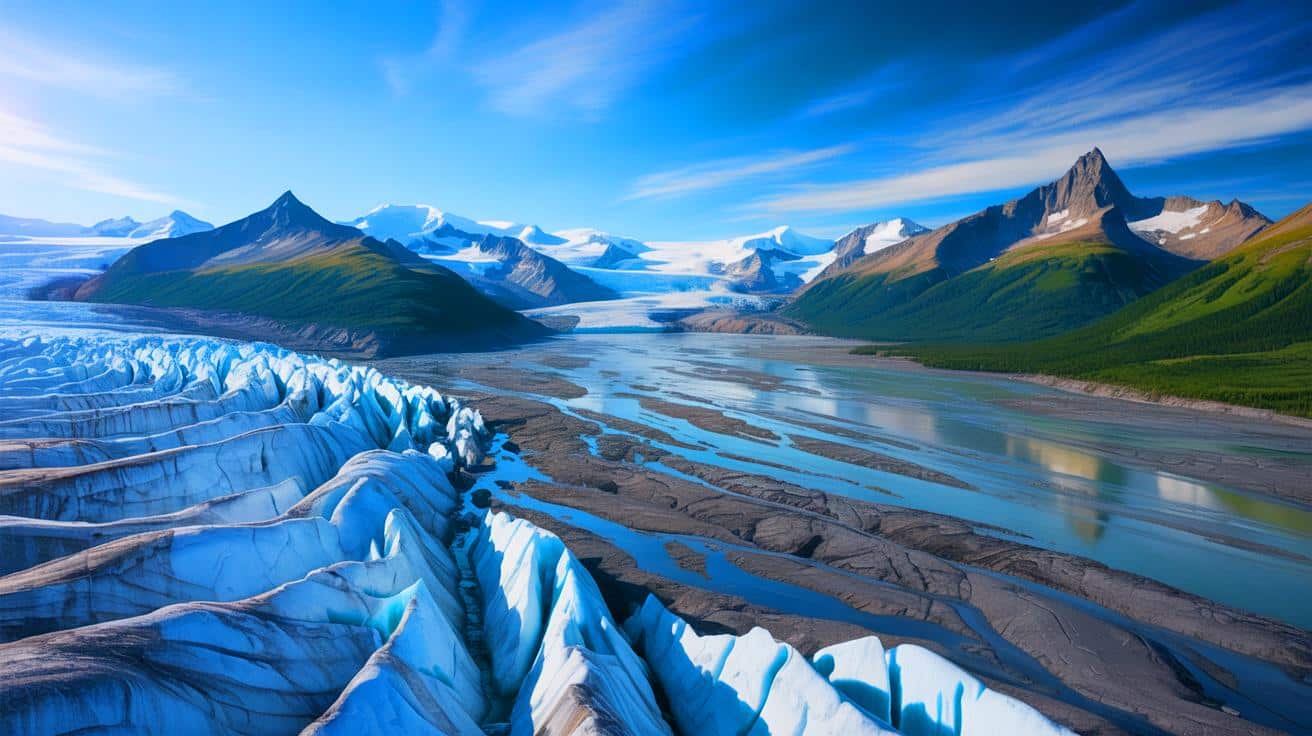
Across North America and Europe, scientists are increasingly alarmed by the rapid pace of glacial ice loss. A recent study published in Geophysical Research Letters highlights that glaciers in the United States and Canada have lost approximately 12% of their ice volume since 2020. Meanwhile, Switzerland’s glaciers have experienced an even greater decline, losing 13%. This rate of loss is nearly double that of the previous decade, signaling an accelerated trend that poses significant implications for water resources and ecosystems.
“Society needs to be asking what are the implications of ice loss going forward. We need to start preparing for a time when glaciers are gone from western Canada and the United States,” said the lead author Brian Menounos.
https://www.sustainability-times.com/climate/the-river-burns-everything-scientists-confront-deadly-194f-waters-as-perus-amazon-boiling-river-threatens-forests-and-local-biodiversity/
The narrative of climate change extends beyond ice. On the U.S. West Coast, meteorologists are closely observing “rivers in the sky,” or atmospheric rivers, which deliver record volumes of precipitation. While these events can help replenish water reservoirs, they also pose risks by triggering floods and landslides. The underlying driver of these changes is a massive atmospheric engine known as the Hadley cell.
What Is the Hadley Cell?
The Hadley cell, one of Earth’s key climate drivers, is expanding and migrating toward the poles. This shifting climate zone has tangible impacts, altering weather patterns and ecosystems. The once-abstract concept of the Hadley cell is becoming increasingly relevant as it influences various aspects of the climate system, from precipitation to temperature extremes.
- Drought and Agriculture: Regions that relied on seasonal rains now face prolonged droughts, affecting crop yields and water availability.
- Heat and Health: Extended heat waves, exacerbated by drought, threaten ecosystems and human health. NASA warns of potential ‘blazing infernos’ in susceptible regions.
- Floods and Storms: Warmer oceans intensify atmospheric rivers, leading to severe flooding. An example is California’s 2010 event, where 11 to 25 inches of rain fell in under two weeks.
The Choice Is Clear: Prepare for Tomorrow’s Storms or Be Swept Away by Them
Despite the daunting challenges, scientific advancements offer hope. Researchers are enhancing observation and prediction capabilities. Fiber optic cables on the seafloor now detect processes that accelerate ice melting. NOAA, utilizing its array of satellites, aircraft, and radars, provides early warnings of heavy rainfall, helping communities to better prepare.
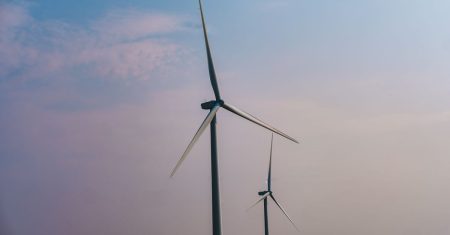
These measures, though seemingly small, significantly bolster resilience in the face of climate change. As Brian Menounos emphasized, the imperative is to prepare for the anticipated future. Collaborative efforts, such as the Alliance of the Century between Indonesia and China focusing on wind energy, exemplify proactive approaches to mitigating climate impacts.
Global Implications and Local Responses
The effects of climate change are not confined to any single region; they have global ramifications that necessitate international cooperation and local adaptation strategies. Communities worldwide are beginning to comprehend the urgency of addressing these changes through policy, innovation, and public awareness campaigns.
Local governments are increasingly investing in sustainable infrastructure, such as flood defenses and renewable energy sources. These initiatives aim to mitigate the immediate impacts of climate change while fostering long-term environmental sustainability. Additionally, educational programs are being implemented to raise awareness about the importance of reducing carbon footprints and conserving natural resources.
As the evidence of climate change becomes more apparent, individuals and communities are urged to take action. By embracing sustainable practices and advocating for policy changes, society can contribute to a more resilient and stable climate future.
As we confront these sweeping changes, the question remains: How can societies effectively balance immediate adaptation needs with long-term sustainability goals in the face of a rapidly evolving climate?

Does this mean our winters will be warmer or just more unpredictable? 🤔
This is alarming! Can we really reverse this trend or is it too late? 😟
Thank you for such an eye-opening article. It’s time we take action! 🌍
Wow, I didn’t realize the Hadley cell had such a big impact. What can we do to mitigate its effects?
Is there any hope left for reversing these trends, or is it too late?
Great article! Thanks for shedding light on this pressing issue.
Why are we only realizing this now? Scientists have been warning us for decades!
Wow, this is terrifying! How can we prepare for these inevitable changes?
Seems like every year we’re hearing about “record-breaking” weather. When will it end?!
Great article, but I wonder if the data is exaggerated to scare people. 🤨
Are there any specific regions that will be more affected than others?
What role do politics play in addressing climate change effectively?
I guess we should start building arks now! 😅
Love the commitment to sustainability, but is it enough? 🤔
The Hadley cell sounds like something out of a sci-fi movie. Can someone explain? 🚀