




| IN A NUTSHELL |
|
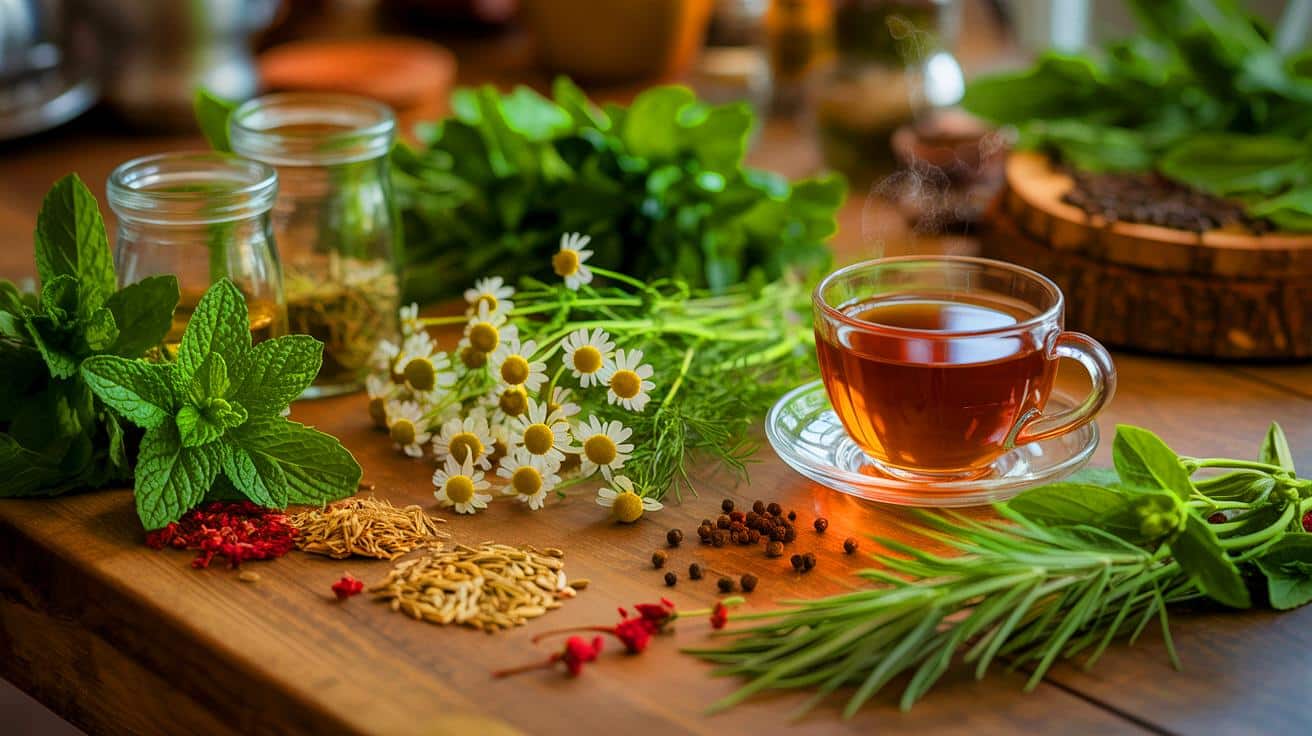
Digestive discomfort is a common issue that can disrupt daily life, characterized by symptoms such as bloating and indigestion. While modern medicine offers a range of treatments, many are turning back to traditional remedies for relief. Herbs and spices, used for centuries in various cultures, are being recognized by modern science for their potential digestive benefits. This resurgence of interest is not only rooted in historical use but also supported by emerging research. This article explores five herbs and spices that have been linked to improved digestion, providing insights into their benefits and potential uses.
The Power of Peppermint
Peppermint, or Mentha piperita, has long been celebrated for its ability to alleviate digestive discomfort. Its primary active compound, menthol, works by relaxing the muscles of the gastrointestinal tract. This relaxation can help reduce symptoms such as bloating, gas, and abdominal pain, making peppermint a popular choice for those with irritable bowel syndrome (IBS).
Clinical trials have demonstrated that peppermint oil capsules can effectively relieve IBS symptoms. However, it’s important to note that peppermint oil may not be suitable for individuals with acid reflux. This is because it can relax the lower esophageal sphincter, potentially leading to heartburn, especially when taken on an empty stomach. As an alternative, peppermint tea offers a gentler option while still providing similar benefits.
Chamomile’s Soothing Effects
Chamomile, known scientifically as Matricaria chamomilla, is renowned for its calming properties and its ability to soothe the digestive system. Chamomile tea is one of the most popular herbal beverages worldwide, consumed for its ability to ease indigestion, gas, and stomach upset.
Although much of the evidence supporting chamomile's digestive benefits is traditional, some scientific studies have begun to validate these claims. For instance, animal studies suggest that chamomile extract can reduce stomach ulcers due to its antioxidant properties. Additionally, chamomile has shown promise in helping children with digestive issues. In one study, 57% of infants given a chamomile-based tea experienced relief from colic within a week.
Chamomile is generally considered safe, but some individuals may have allergic reactions to it.
Carom Seeds: A Staple in Digestive Health
Carom seeds, also known as ajwain, are a staple in Indian cuisine and Ayurvedic medicine. With a history of use for relieving gas and bloating, carom seeds owe their digestive benefits to thymol, a compound that stimulates stomach acid production.
Animal studies have shown that carom seeds can increase the speed at which food moves through the digestive tract, boost digestive enzyme activity, and enhance bile secretion. These effects contribute to improved digestion and reduced discomfort. While human data is limited, carom seeds are generally safe for culinary use. However, pregnant or breastfeeding women should avoid large doses due to potential risks.
Fennel: A Traditional Digestive Aid
Fennel, or Foeniculum vulgare, is traditionally chewed after meals to freshen breath and aid digestion. Its seeds are rich in insoluble fiber, which helps prevent gas build-up and bloating. The National Health Service recommends a daily fiber intake of about 30 grams.
Anethole, the main active compound in fennel, is similar to dopamine and helps relax gut muscles. This relaxing effect has been confirmed in lab studies and is believed to reduce cramp-like abdominal pain in individuals with IBS. Fennel water, often mixed with sodium bicarbonate, has been used to ease infant gas and bloating.
Cold Plunges Are a Scam for Women and Science Just Dropped the Mic on This Freezing Hot Fitness Fad
Despite limited human trials, fennel's long history of safe use supports its traditional role in digestive care.
Cumin's Role in Digestive Health
Cumin, or Cuminum cyminum, boasts a long history of use for easing digestive problems. Modern studies suggest that cumin enhances digestive enzyme activity, speeding up the breakdown of food. It also promotes bile release from the liver, aiding in fat digestion and nutrient absorption.
Research conducted on rats found that cumin reduced the time food spent in the digestive tract by about 25%. In a clinical trial involving 57 individuals with IBS, concentrated cumin significantly alleviated symptoms within two weeks. While herbs and spices are not substitutes for medical treatment, they can complement a balanced diet and provide gentle support for everyday digestive issues.
As we explore traditional remedies for digestive health, it is crucial to remember that herbs and spices should be used responsibly. While generally safe for cooking, individuals with underlying health conditions or those on medication should consult healthcare professionals before significant use. For many, a simple cup of chamomile tea or a sprinkle of cumin might be a flavorful step toward improved digestion. As science continues to uncover the benefits of these age-old remedies, what other natural solutions might hold the key to better health?



I’ve been using peppermint tea for a while now and it really helps my stomach issues. Anyone else have similar experiences? 🌿
This is amazing! I’ve been struggling with bloating for years. Can’t wait to try these spices. 😊
Chamomile tea is my go-to before bed. So calming! 😴
Is there scientific evidence backing cumin’s digestive benefits? 🤔
Do you think chamomile tea could help with my acid reflux as well?
Carom seeds sound interesting. Where can I buy them?
Why didn’t I know about these spices before? Life-changing! 😍
I’ve heard about peppermint tea before, but didn’t know it had such a strong effect on bloating. Thanks for the info!
Does anyone else find chamomile a bit too floral? Any alternatives?
I’ve always used fennel seeds after meals, and it’s great to see it recommended here. 😊
How often should I drink these teas to see the results?
How often should I drink peppermint tea to see results?
Is it safe to consume cumin if you’re pregnant?
Could these spices interact with medication? I’m on a few prescriptions.
Why is there no mention of ginger? I thought it was a great digestive aid too!
Love this article! I’ve been looking for natural remedies for ages.