




| IN A NUTSHELL |
|
María Branyas Morera lived an extraordinary life, passing away at the age of 117 in 2024. Her legacy, however, extends beyond her years. Researchers gained insights into the factors that contributed to her remarkable longevity through the study of her microbiome. By examining her gut bacteria, scientists discovered that her microbiome was as diverse as that of someone much younger. This finding suggests that the diversity of gut bacteria might be a crucial factor in achieving a long and healthy life. Branyas’s daily yogurt consumption and adherence to a Mediterranean diet could hold significant clues for those seeking to enhance their health and longevity.
The Role of the Gut Microbiome
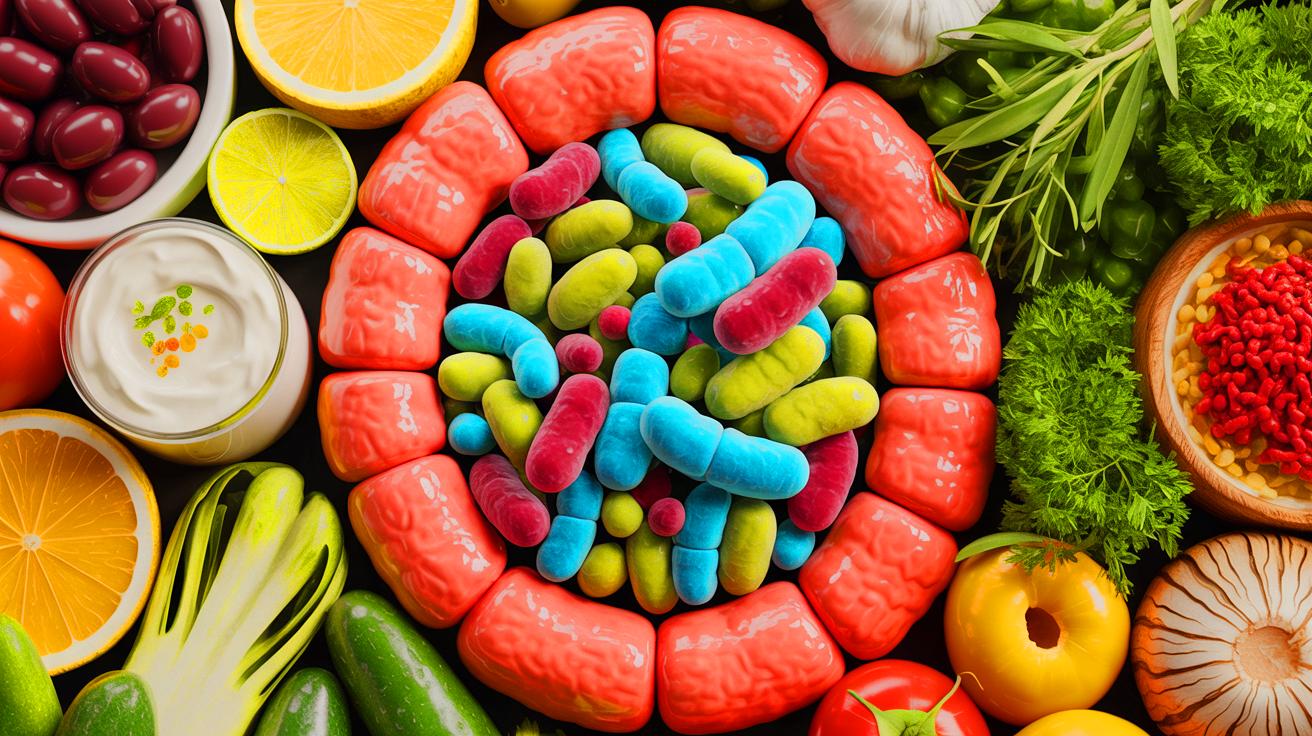
The gut microbiome, a complex ecosystem of bacteria, fungi, and other microorganisms residing in our intestines, plays a vital role in our overall health. These microorganisms aid in digesting food, producing essential vitamins, influencing the immune system, and even communicating with the brain. While genetics play a minor role in shaping our microbiome, lifestyle and dietary choices are far more influential. As people age, their gut microbiome tends to lose diversity, which has been linked to increased frailty. However, Branyas’s microbiome was an exception, showcasing a level of diversity typically seen in much younger individuals.
Branyas’s microbiome was rich in Bifidobacteriaceae, a family of bacteria often found in younger individuals. These bacteria are known to support immune function, protect against gastrointestinal disorders, and help regulate cholesterol levels. The researchers concluded that this microbiome diversity likely played a role in supporting her gut and immune health, contributing to her exceptional longevity.
Eating Breakfast After This Hour Cuts 5 Years From Your Life Expectancy Scientists Warn
Dietary Habits and Their Impact
Branyas's dietary habits provided significant insights into her microbiome's youthful state. She consumed three yogurts daily, which contain live bacteria known to support Bifidobacterium growth. Her diet resembled the Mediterranean pattern, emphasizing fruits, vegetables, whole grains, and olive oil. This eating style has been consistently linked to gut microbiome diversity and overall good health. Other foods that promote Bifidobacterium growth include kefir, kombucha, and fermented vegetables like kimchi and sauerkraut.
These foods contain probiotics, which are live bacteria that provide health benefits when consumed. However, probiotics require prebiotics—dietary fibers that our bodies can't digest but that nourish beneficial microbes. Prebiotics are found in foods like onions, garlic, leeks, asparagus, bananas, oats, and legumes. Together, probiotics and prebiotics help maintain a balanced microbiome, supporting overall health.
The Interplay of Genetics and Lifestyle
While Branyas's microbiome was a critical factor in her longevity, it was not the sole reason for her long life. Her genetic makeup included protective variants that safeguarded her against common diseases. However, the study underscores that lifestyle choices, particularly diet, can profoundly impact our gut microbiome and, by extension, our health. Despite the influence of genetics, the choices we make each day regarding what we eat and how we live can significantly shape our well-being.
The study of Branyas's microbiome adds to the growing body of evidence suggesting that nurturing a diverse and beneficial microbiome is linked to better health and resilience. While the perfect microbiome is still a mystery, greater diversity is generally associated with improved health outcomes.
Steps Toward a Healthier Microbiome
Though María Branyas Morera's longevity was influenced by various factors, her case highlights the impact of dietary habits on gut health. Following a Mediterranean-style diet—emphasizing fruits, vegetables, whole grains, and moderate consumption of fish and legumes, while reducing red meat and processed foods—has been consistently associated with microbiome diversity and reduced disease risk.
While these habits may not guarantee a lifespan beyond 110, they are linked to lower risks of cancer, type 2 diabetes, and cardiovascular disease. In essence, we cannot control our genetic makeup, but we can shape our microbiome through dietary choices, giving ourselves a better chance at a healthy, long life.
María Branyas Morera's life serves as a reminder of the intricate balance between genetics, lifestyle, and biology in determining longevity. Although we cannot influence every factor, nurturing our gut microbiome is one meaningful step toward lasting health. What other lifestyle factors could we prioritize to improve our chances of living a long and healthy life?



Wow, who knew yogurt could be such a game-changer! 🥛
Wow, 117 years old! I guess I’ll start stocking up on yogurt. 🥛
Is this article suggesting that yogurt is the secret to eternal life? 🤔
Do you think it’s only the diet or are there other factors at play here?
Interesting read! I’ve been on a Mediterranean diet for a while, and it feels great. Thanks for sharing!
This is fascinating! I never thought gut health could have such an impact on longevity.
So, basically, we should all move to the Mediterranean? 😄
I eat yogurt every day, does this mean I’m going to live to 117 too? 😂
Does anyone know if there are plant-based alternatives to yogurt that have the same benefits?
I wonder if she had any other health habits that contributed to her longevity.
Is there any way to measure my gut microbiome diversity at home?