




| IN A NUTSHELL |
|
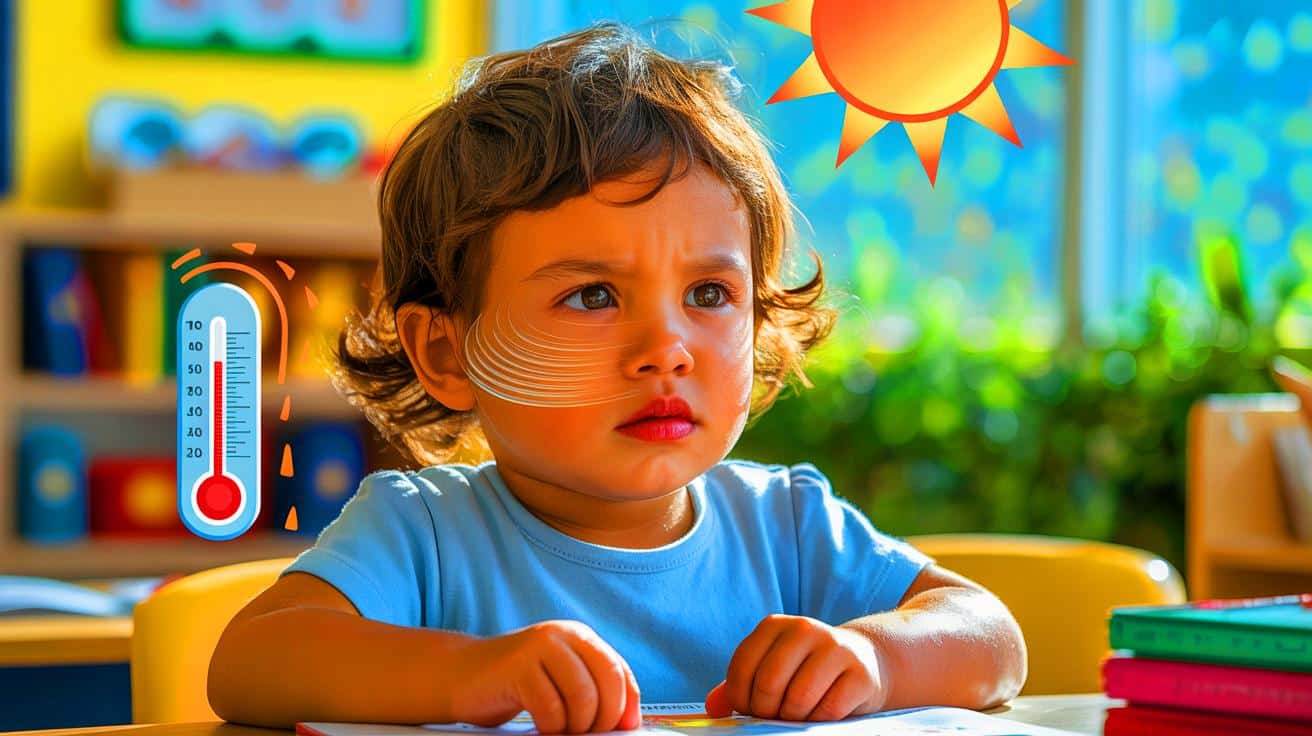
As climate change continues to dominate global discussions, its impacts are becoming increasingly evident, particularly in areas not previously considered. Recent research highlights a stark revelation: rising temperatures may hinder early childhood development. According to a study published in the Journal of Child Psychology and Psychiatry, children exposed to higher temperatures, specifically those above 86°F, were found to be less likely to achieve critical literacy and numeracy milestones. This finding is significant as early childhood development is foundational for lifelong learning and overall well-being. The implications of such data demand attention from policymakers and researchers to address the challenges posed by a warming world.
Understanding the Study’s Findings
The study in question, led by Jorge Cuartas, an assistant professor of applied psychology at NYU Steinhardt, provides new insights into the effects of heat exposure on young children. The research focuses on children between the ages of three and four, across diverse countries such as Gambia, Georgia, Madagascar, Malawi, Palestine, and Sierra Leone. These locations were chosen for their comprehensive data on child development and climate conditions.
The researchers utilized the Early Childhood Development Index (ECDI) to assess children’s progress in literacy, numeracy, social-emotional development, learning approaches, and physical growth. By integrating this data with climate records, they identified clear patterns linking higher temperatures to developmental delays. The study’s findings underscore the necessity for proactive measures to protect children as global temperatures continue to rise.
Impact on Literacy and Numeracy Milestones
The research revealed that children exposed to average maximum temperatures above 86°F were 5 to 6.7 percent less likely to meet basic literacy and numeracy benchmarks compared to their peers living in cooler conditions. This gap is concerning, as these foundational skills are crucial for future academic success and personal growth. The adverse effects of heat were most pronounced in economically disadvantaged households, areas with limited access to clean water, and densely populated urban environments.
“While heat exposure has been linked to negative physical and mental health outcomes across the life course, this study provides a new insight that excessive heat negatively impacts young children’s development across diverse countries,” said Cuartas.
These findings emphasize the importance of addressing environmental and social factors that exacerbate the effects of rising temperatures on vulnerable populations.
Exploring the Broader Implications
The implications of this research extend beyond immediate developmental concerns. Early childhood development is a critical period that lays the groundwork for lifelong learning, physical health, and mental well-being. Disruptions during this phase can have long-lasting consequences, affecting individuals and communities alike. The study calls for intensified research to identify the mechanisms behind these developmental delays and to find ways to mitigate their impact.
Cuartas and his colleagues stress the need for targeted policies and interventions to strengthen preparedness and resilience in the face of climate change. By understanding the specific factors that protect or exacerbate vulnerability, stakeholders can develop strategies to support children’s development despite environmental challenges.
Data-Driven Insights for Policy Development
The research team, which includes experts from the Interamerican Development Bank and the University of Chicago, highlights the importance of using data-driven insights to inform policy. By leveraging comprehensive datasets and climate records, they have established a clear connection between temperature exposure and developmental outcomes. This approach provides a roadmap for future studies and policy initiatives aimed at safeguarding children’s health and development.
Cuartas emphasizes the urgent need for collaboration among researchers, policymakers, and practitioners to address the challenges posed by climate change. As global temperatures continue to rise, the findings from this study serve as a call to action to protect the youngest and most vulnerable members of society.
The study’s revelation of the impact of rising temperatures on early childhood development underscores the broader challenges posed by climate change. As we seek to adapt to a warming world, how can we ensure that the most vulnerable populations, particularly young children, are protected and supported in their development?


Wow, this is really concerning! 😟 What can I do to help reduce the impact of rising temperatures on children in my community?
Wow, I never thought about how rising temperatures could affect kids’ learning abilities. 😮
Is it just hot weather, or do humidity and air quality play a role too?
Interesting read, but how reliable is the data used in this study?
Thank you for highlighting this issue. We need more awareness and policy changes now!
Thanks for the article! It’s important to raise awareness about climate change’s impact on kids.
I’m skeptical. How can temperature alone cause such a significant impact on kids’ development?
Does this mean we should start planning our schools to be more heat-resistant? 🤔
Does this mean we need to redesign schools and homes for better cooling systems?
Isn’t it a bit of a stretch to blame everything on climate change? There’s gotta be more to it.
How were the economic factors measured in this study?
How can policymakers implement changes if they don’t prioritize climate issues?
It’s alarming to think that the climate crisis is already affecting the youngest among us… 😢
I’m skeptical. Kids have been growing up in hot climates for centuries without these problems.
Can you provide more details on the methodology used in this study?