


| IN A NUTSHELL |
|
China is no stranger to ambitious infrastructure endeavors. Its latest undertaking, the South-North Water Transfer Project, could be the world’s largest infrastructure project. Spanning 2,700 miles and with an estimated cost of $70 billion, this initiative aims to address the country’s chronic water shortages by redistributing billions of cubic meters of water annually. Key insights from experts reveal the complex motivations and potential global implications of this monumental effort. As China continues to reshape its geography, the world watches to understand how this project might alter both regional and global landscapes.
Understanding the Need for Water Redistribution
China’s vast landmass and rapidly growing population have led to significant disparities in water availability. Northern China, home to many of the country’s major cities and agricultural hubs, faces severe water shortages. In contrast, the south enjoys abundant water resources. This imbalance has driven the need for innovative solutions to ensure sustainable water supply across the nation.
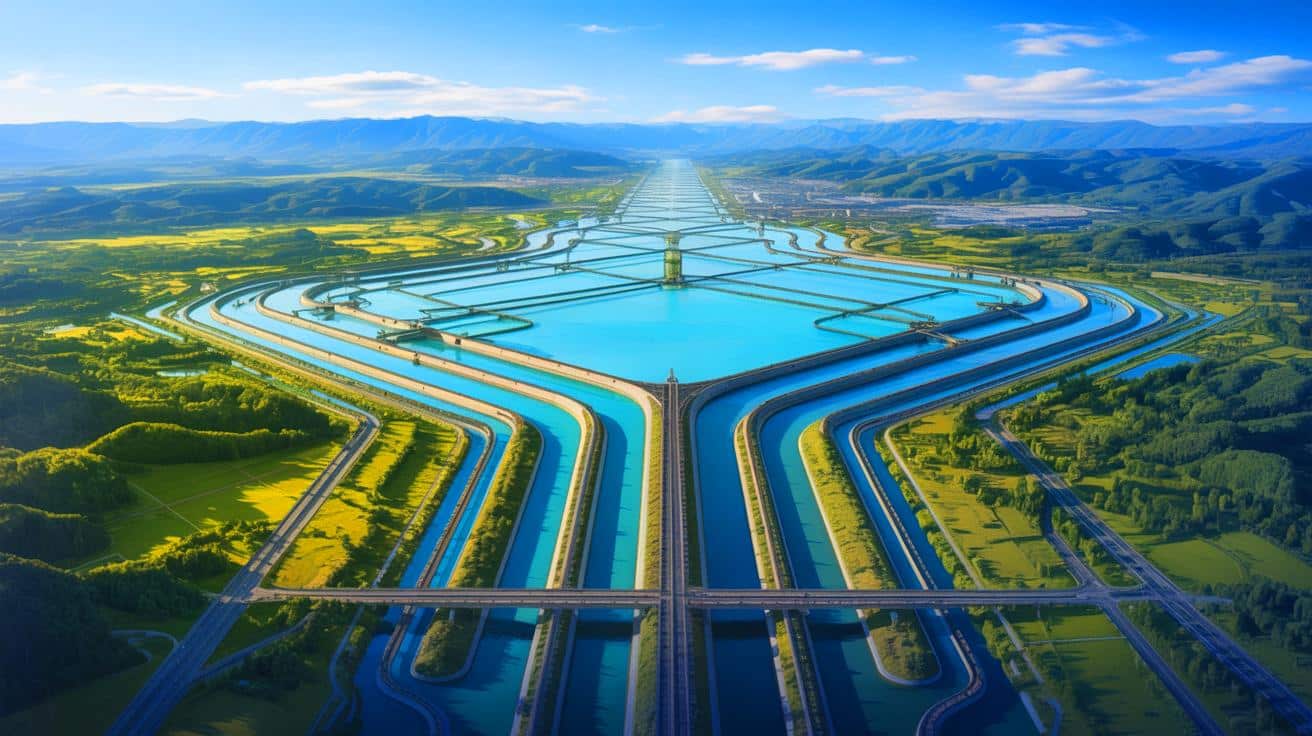
The South-North Water Transfer Project aims to bridge this divide by channeling water from the Yangtze River in the south to the arid north. The project is divided into three routes: the Eastern, Central, and Western. Each route involves complex engineering feats to overcome geographical and logistical challenges, highlighting China’s commitment to addressing its water crisis.
By reallocating water resources, China hopes to support its industrial growth and urbanization efforts, which are crucial for maintaining its economic momentum. However, the project also raises questions about environmental sustainability and the long-term impact on ecosystems along the transfer routes.
The Economic and Social Implications
The economic implications of the South-North Water Transfer Project are profound. By ensuring a reliable water supply to the north, China aims to boost industrial productivity and enhance living standards in water-scarce regions. This, in turn, could attract investment, stimulate job creation, and drive economic growth.
However, the project’s $70 billion price tag is a testament to its complexity and scale. Funding such a colossal initiative requires significant government resources and strategic financial planning. The cost-benefit analysis of the project remains a topic of debate among economists and policymakers.
Socially, the project promises to alleviate water scarcity, which has been a source of tension in many northern communities. Reliable access to water could improve public health, enable agricultural growth, and enhance the quality of life for millions of people. Yet, the construction and operation phases may also lead to the displacement of communities and disruption of local livelihoods, necessitating careful management and mitigation strategies.
Environmental Concerns and Challenges
The environmental impact of the South-North Water Transfer Project is a major concern. The diversion of water from the Yangtze River could have significant ecological consequences, affecting biodiversity and altering natural habitats. Environmentalists warn that such large-scale interventions may lead to unforeseen shifts in local and regional ecosystems.
Furthermore, the construction of canals, tunnels, and pumping stations poses challenges to minimizing environmental disruption. The project requires careful planning to balance the need for water transfer with the preservation of natural landscapes.
Experts like Professor Stephan Pfister emphasize the importance of conducting thorough environmental impact assessments and implementing sustainable practices to mitigate potential damage. The project’s success will depend on China’s ability to address these environmental challenges while achieving its water redistribution goals.
Global Implications and Strategic Considerations
China’s South-North Water Transfer Project is not only a domestic undertaking but also has global implications. As one of the largest infrastructure projects in history, it showcases China’s engineering prowess and ambition on the world stage. The project could serve as a model for other countries facing similar water scarcity challenges.
Internationally, the initiative highlights the strategic importance of water as a resource. Water security is increasingly becoming a focal point in global geopolitical discussions, with countries seeking to safeguard their water supplies amid climate change and growing populations.
Carla Freeman, a Senior Expert for China at the US Institute of Peace, notes that China’s approach to water management could influence global policies and practices. The project’s success or failure may offer valuable lessons for international cooperation in addressing transboundary water issues.
As China embarks on this unprecedented journey to redistribute water across its vast landscape, the world watches closely. The South-North Water Transfer Project is a testament to human ingenuity and the challenges of balancing development with sustainability. How will this ambitious endeavor shape China’s future and influence global water management strategies in the years to come?

Wow, moving rivers? 🚀 That’s some next-level engineering!
Wow, $70 billion! Is this the largest infrastructure project in history?
How will this project affect the Yangtze River’s ecosystem? 🌿
How do they plan to address the potential environmental impact? 🌿
I’m amazed by the scale of this project. China’s ambition never ceases to amaze me! 🚀
What measures are being taken to prevent environmental damage during construction?
Is $70 billion really worth it for this project?
Is it true that some communities will be displaced because of this project? 😢
Sounds like a great initiative, but what are the potential downsides? 🤔
What are the expected benefits for northern cities once the project is completed?
Thank you for shedding light on this massive undertaking. It’s fascinating!
70 billion dollars could be used for so many other things! Is it really worth it?
I’m interested in the engineering challenges involved. Can anyone elaborate?
Will this project increase water prices in the affected regions?
China always thinks big. I hope this doesn’t end up being an ecological disaster. 🌏
How long is the construction expected to take?
Impressive! This could set a precedent for global water management strategies. 🌍
What happens if the project fails? Is there a contingency plan?
Can someone explain the three different routes involved in the transfer?
Are there any risks of water contamination during the transfer process?
Can other countries learn from this project to address their water scarcity issues?
Is this project part of China’s Belt and Road Initiative?
Why not focus on conservation and efficient use of existing water resources?
It’s a bold move, but how will this impact local wildlife? 🐟
What role does technology play in monitoring and managing this massive project?
Hope this doesn’t turn into another Three Gorges Dam controversy! 🤞
How are local residents reacting to this massive undertaking?
Are there any success stories from similar projects in other countries?
This could revolutionize water security in China if done right. 🔧
I’m skeptical about the cost-benefit analysis. Are there any detailed reports?
Is this project environmentally sustainable in the long run?
It’s like moving mountains, but with rivers. 😄
Will this project affect international relations, especially with neighboring countries?
How is this project funded? Is it solely by the Chinese government?
Are there any alternative methods to address the water scarcity issue?
What are the chances of this project setting a new global standard for infrastructure?
How will the project address potential water loss during transfer?
Is there any international collaboration involved in this project?
I’m thankful for this ambitious step towards solving water scarcity. 🙏
Is there a documentary or detailed study available on this project? 🎥
Hope they have a plan B if things go wrong. 😅
I’m concerned about the long-term ecological impacts. Are there any mitigation plans?