



| IN A NUTSHELL |
|
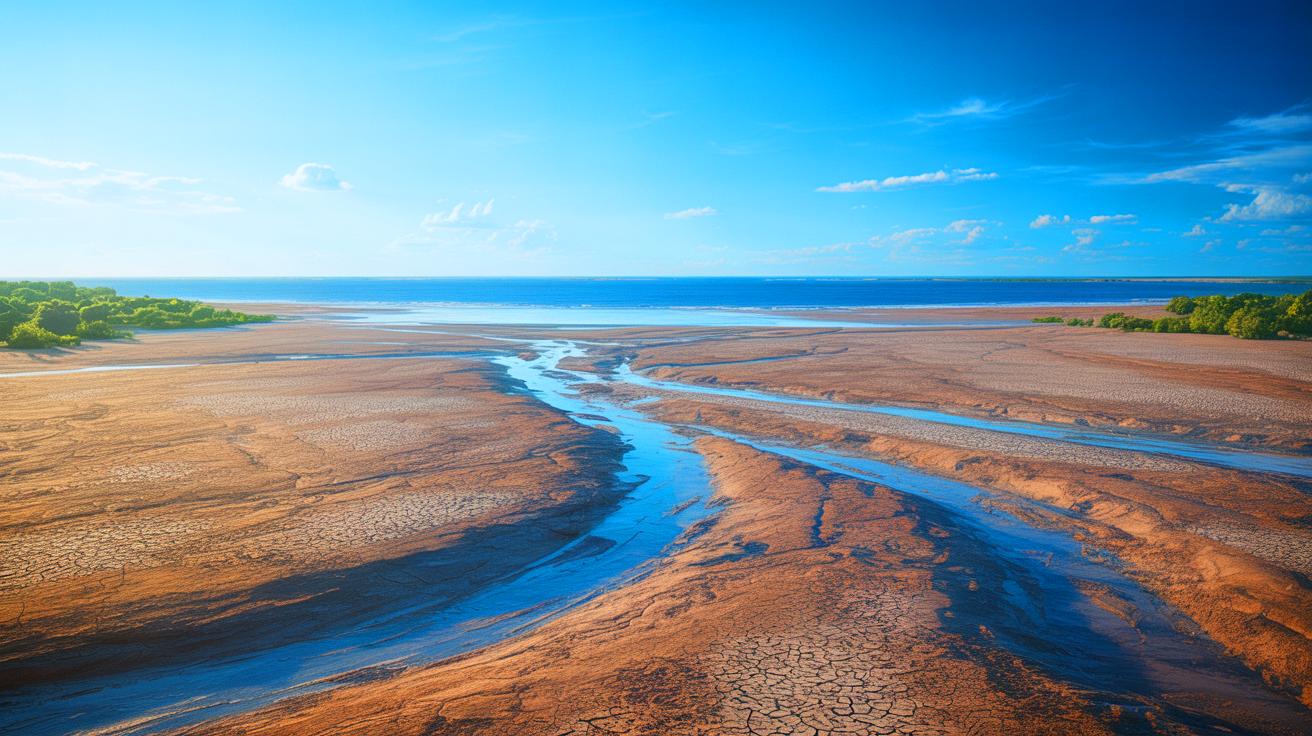
Continents have been losing a staggering amount of water over the past two decades, with recent studies showing that this has surpassed ice sheets in contributing to global sea level rise. According to researchers, a combination of factors, including unchecked groundwater extraction and increasing evaporation rates due to climate change, has led to the formation of rapidly drying “hotspots.” These hotspots have started to merge into vast “mega-drying” regions, raising concerns about future water availability, ecological impacts, and rising sea levels. Understanding the dynamics of these changes and their global consequences is crucial to addressing the challenges of a rapidly evolving climate.
Groundwater Depletion: A Silent Crisis
The alarming rate of groundwater depletion is at the heart of the current crisis. Scientists have found that nearly 70% of the water loss from continents is due to excessive extraction from deep aquifers. This water is then transferred to the oceans, contributing significantly to rising sea levels. Groundwater has become a critical resource, especially in regions where surface water is scarce or insufficient.
Jay Famiglietti, a professor at Arizona State University, emphasizes the severity of the situation. “There’s very few places now that are not drying,” he stated. The extraction of groundwater has not only caused local water shortages but has also had far-reaching impacts on global water distribution. Regions like the North China Plain, northwest India, and California’s Central Valley have been particularly affected, with significant water loss due to human activities and evaporation.
Monitoring Continental Drying From Space
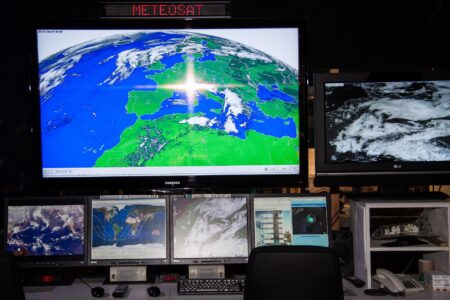
To track these changes, researchers have utilized satellite data to measure small mass changes on Earth. These satellites detect gravitational shifts caused by water weight variations, allowing scientists to observe drying patterns with remarkable precision. The resolution of this data is approximately 15 miles, providing insights into regional-scale changes.
This technology has revealed that drying hotspots are expanding and merging into larger regions. Notably, South Asia has seen significant changes, with multiple hotspots around the Himalayas combining into one extensive area. These mega-drying regions now span across the Northern Hemisphere, encompassing areas like Alaska, northern Canada, and northern Russia, as well as parts of Western Europe and Central America.
The Impact of Climate Phenomena
Interestingly, the Southern Hemisphere has not experienced the same level of mega-drying as the Northern Hemisphere. Researchers suggest that climatic events, such as a record-breaking El Niño more than a decade ago, have influenced this discrepancy. Between 2011 and 2014, a transition from a strong La Niña to a powerful El Niño coincided with a shift in drying trends.
This climatic shift may have contributed to the redistribution of drying hotspots, with a notable increase in the Northern Hemisphere. The reasons behind this phenomenon are still under investigation, but it highlights the complex interplay between natural climate variability and human-induced changes. Understanding these dynamics is essential for predicting future trends and developing effective mitigation strategies.
Implications for the Future
The implications of continental drying are profound and wide-ranging. Water scarcity threatens food production, biodiversity, and human livelihoods. As populations grow and climate change continues, the demand for groundwater will only increase. This will likely lead to deeper drilling into aquifers, raising costs and exacerbating environmental challenges.
The study’s authors emphasize the need for urgent action. “Current water management efforts need to be revisited on a war footing,” stated Hrishikesh Chandanpurkar, an Earth system scientist. Efforts to mitigate climate change and improve water use efficiency are crucial in addressing these challenges. Changes in agricultural practices, such as reducing flood irrigation, can help conserve water and alleviate stress on groundwater resources.
As the world grapples with the impacts of continental drying, it is clear that innovative solutions and collaborative efforts are needed to secure a sustainable future. The interconnectedness of water resources, climate change, and human activities underscores the importance of comprehensive strategies. How can global communities work together to address these challenges and ensure water security for future generations?

Wow, I had no idea groundwater extraction was such a big issue! Thanks for the eye-opener. 🌍
Wow, this is eye-opening! Are there any regions that are actually gaining water? 🤔
Is there any hope for reversing these drying trends, or are we past the point of no return?
So basically, we’re draining the planet dry. Time for some drastic measures, no? 🌍💧
How accurate is the satellite data in predicting these changes? 🤔
What are the potential solutions to combat this issue? It’s a bit overwhelming!
This article is quite alarming. What can individuals do to help mitigate groundwater depletion?
Is there any hope for reversing these drying trends?
So we’re literally sucking the planet dry? That’s wild. 😱
Does this mean we should start investing in desalination technology more aggressively?
Can someone explain how satellites measure water loss? Sounds complicated! 🛰️
Great article, but what about the political will to implement these changes?
Thank you for shedding light on such a critical issue!
This sounds like a plot from a sci-fi movie, except it’s real. Should we be worried? 😨