




| IN A NUTSHELL |
|
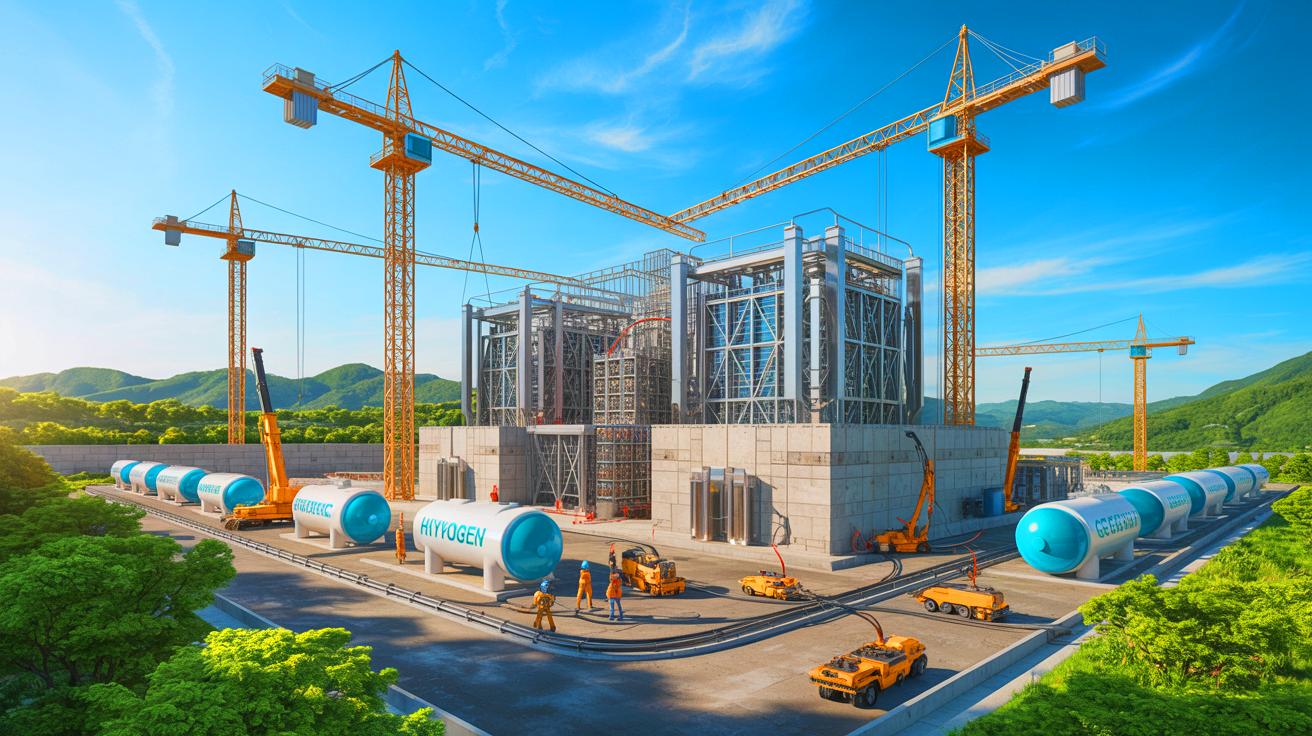
In a significant move towards sustainable energy, South Korea has begun construction on the world’s largest hydrogen fuel cell power plant. Located in Gyeongju, North Gyeongsang province, this ambitious project is expected to generate enough electricity to power approximately 270,000 homes annually. The Gangdong Hydrogen Fuel Cell Power Generation Project, backed by a substantial investment of $580.7 million, is slated for completion by 2028. This initiative not only promises to deliver clean, baseload electricity to the national grid but also aims to spur regional industrial growth. As the world grapples with climate change, South Korea’s investment in hydrogen technology marks a pivotal step towards a greener future.
The Hydrogen Revolution
South Korea’s new hydrogen power plant is set to become a cornerstone in the nation’s renewable energy landscape. Once operational, it will generate 108 megawatts of electricity, surpassing the current leader, the Shin Incheon Vision Dream plant, which produces 79 megawatts. This capacity will enable the Gangdong facility to supply electricity to 270,000 households annually, furthering the country’s renewable energy objectives.
The plant is designed to use grey hydrogen produced from natural gas, leveraging high-efficiency fuel cells to convert hydrogen into electricity. While grey hydrogen is not the ultimate goal, it serves as a practical bridge technology. According to officials, this approach will stabilize the energy grid while facilitating a transition away from fossil fuels. The project has also secured a 20-year renewable energy certificate (REC) contract, ensuring its financial sustainability through South Korea’s energy credit market.
“We’re Building War Machines”: Navy Spends $3.4 Billion On Secret Nuclear Sub Base Against China
Investment in Green Energy
The financial structure of the Gangdong project highlights the role of private capital in clean energy initiatives. The Regional Revitalization Investment Fund, which combines resources from the government, local authorities, and private investors, underpins the project. This model is being closely observed as a potential blueprint for future clean energy infrastructure in the region.
Governor Lee Cheol-woo has emphasized the transformative potential of the project. Beyond its immediate economic benefits, which include the creation of approximately 1,200 jobs and an estimated $52 million in tax revenues, the plant is expected to attract power-intensive industries such as AI data centers and smart farms. By aligning energy policy with advanced industrial investment, the project aims to strengthen local capacities and bolster regional development.
Economic and Industrial Impact
The Gangdong Hydrogen Fuel Cell plant is poised to significantly impact both the local economy and the broader energy landscape of South Korea. Its construction and operational phases are expected to create numerous jobs and generate substantial tax revenues. Additionally, the plant's presence is likely to draw energy-intensive industries to the region, fostering further economic growth.
Governor Lee Cheol-woo has expressed a commitment to ensuring that subsequent investment projects continue to build on the momentum generated by the plant. By linking the region's energy resources with future industrial investments, the project aims to create a sustainable and prosperous economic environment.
“We’re Powering Moon Bases With Nuclear Waste”: Company Reveals Secret Space Energy Revolution
Challenges and Opportunities
While the Gangdong project represents a major step forward, it also highlights the challenges inherent in transitioning to a hydrogen-based energy system. Grey hydrogen, while effective, is not the most environmentally friendly option. The long-term goal remains the development of green hydrogen, which is produced using renewable energy sources.
However, the current focus on grey hydrogen allows for immediate progress in reducing reliance on fossil fuels. As technology advances and economies of scale are achieved, the transition to green hydrogen is expected to become more viable. The Gangdong project, therefore, serves as both a solution to current energy needs and a stepping stone towards a more sustainable future.
As South Korea embarks on this ambitious project, the world will be watching to see how effectively it integrates hydrogen technology into its energy mix. The success of the Gangdong plant could influence similar initiatives globally, setting a precedent for large-scale clean energy projects. Will other nations follow suit in adopting hydrogen as a key component of their renewable energy strategies?


Isn’t grey hydrogen still harmful to the environment? 🤔
Isn’t grey hydrogen still quite polluting? Why invest so much in it? 🤔
Why not start with green hydrogen right away? Seems like a missed opportunity.
Wow, powering 270,000 homes! That’s incredible. Way to go, South Korea! 🇰🇷
This is a big step forward for South Korea! Thanks for sharing the news. 🌟
How many jobs will this project really create? Are the numbers realistic?
Will this new power plant lower electricity costs for residents in the area? 💡
I’m excited to see the impact on local industries. Could this become a global trend?
Why does it take until 2028 to finish the power plant? Seems like a long time!
580.7 million dollars! That’s a lot of money. Hope it’s worth it! 💸
The transition to green hydrogen can’t come soon enough. Let’s hope this is just the beginning.
Good start, but when can we expect a transition to green hydrogen?
Is this really a solution to climate change or just a band-aid? 🤔
Why isn’t more focus placed on pure renewable sources like solar or wind?
How will this affect local wildlife and ecosystems? 🌿
South Korea leading in hydrogen technology? That’s impressive! 👏