




| IN A NUTSHELL |
|
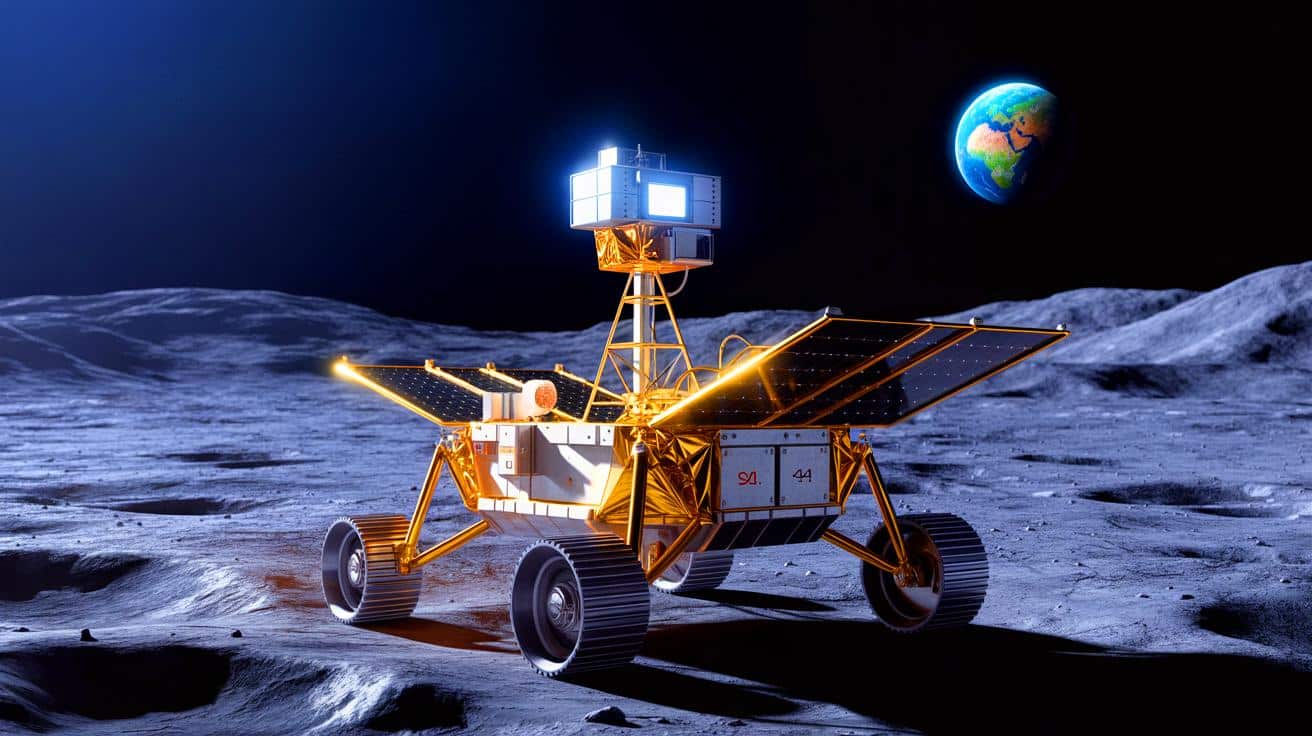
In an innovative leap for space exploration, Zeno Power, a Washington-based company, is set to revolutionize power systems for lunar missions by utilizing a novel energy source: americium-241 (Am-241). Traditionally considered nuclear waste, this long-lived isotope is emerging as a key component in radioisotope power systems (RPS), promising to deliver reliable energy for lunar rovers, landers, and other infrastructure on the Moon. This development aligns with NASA’s ambitious Artemis program and its broader Moon to Mars initiative, potentially transforming how we approach sustainable energy in space.
Americium-241: A New Era in Space Power
Americium-241 is poised to become a game-changer in the realm of space power systems. Known for its long half-life of over 430 years, Am-241 can provide a stable power source for decades. This feature makes it ideal for space missions where reliability and longevity are critical. Unlike the limited supply of plutonium-238, previously the staple for space RPS, Am-241 is available through the decay of isotopes in used nuclear fuel. This availability presents a sustainable alternative that expands the options for power systems in space exploration.
Zeno Power’s strategic agreement with Orano, a leader in nuclear fuel recycling, ensures a steady supply of Am-241. Orano will provide the isotope from its recycling operations in Normandy, France, further supporting the development of Zeno’s innovative power systems. This collaboration not only secures a reliable supply chain but also highlights the potential of recycling nuclear materials to support advanced technological applications.
Radioisotope Power Systems: Reliability in Harsh Environments
The reliability of radioisotope power systems (RPS) is crucial for missions in the challenging environments of space. These systems are designed to provide consistent energy output, enabling spacecraft and equipment to function during the long lunar nights and in shadowed regions of the Moon. The integration of Am-241 into these systems marks a significant advancement, offering a dependable energy source that can withstand harsh conditions.
Previously, RPS primarily relied on plutonium-238, but the scarcity of this isotope has driven the search for alternative fuels like Am-241. The agreement between Zeno and Orano represents a pivotal step in diversifying the supply chain for space power, addressing both the limitations of current resources and the increasing demand for sustainable energy solutions in space missions.
Innovative Partnerships and Sustainable Solutions
The partnership between Zeno Power and Orano exemplifies the innovative approaches being taken to ensure long-term sustainability in space exploration. By tapping into the recycling capabilities of Orano, Zeno can access a consistent supply of Am-241, which is extracted from what was once considered waste. This process not only supports space missions but also exemplifies how nuclear materials can be repurposed for advanced applications, minimizing waste and promoting environmental responsibility.
According to Tyler Bernstein, Co-Founder and CEO of Zeno Power, the collaboration with Orano is a critical step in advancing a multi-fuel strategy. This strategy pairs Am-241 for space applications with other isotopes like strontium-90 for terrestrial and maritime uses, unlocking new possibilities from the depths of the ocean to the expanses of space.
The Future of Space Energy
As space exploration missions become more ambitious, the need for reliable and sustainable energy sources grows. Americium-241 offers a promising solution, providing the longevity and stability required for long-duration missions. Its use in space power systems reflects a broader trend towards leveraging advanced technologies and innovative partnerships to overcome the challenges of space exploration.
Zeno Power’s work with Orano highlights the potential for recycled nuclear materials to play a crucial role in future space missions. By transforming what was once considered nuclear waste into a valuable resource, these companies are paving the way for a new era of energy solutions that can support humanity’s endeavors beyond Earth.
As we look to the future of space exploration, the question remains: How will the continued development of sustainable energy sources like americium-241 shape the trajectory of human presence on the Moon and beyond?

Isn’t it risky to use nuclear waste for power? What about safety on the Moon? 🤔
Wow, using nuclear waste to power the Moon? That’s some next-level recycling! ♻️
This sounds like science fiction! I can’t wait to see it in action. 🚀
Is americium-241 safe for long-term use in space? 🤔
Wait, does this mean we’re going to have nuclear-powered moon bases now?
How long before we see this technology being used on Mars missions?
Thank you for sharing such an innovative approach to space energy! 🚀
What are the potential environmental impacts of using americium-241?
This is a brilliant way to recycle nuclear waste. Kudos to Zeno Power! ♻️
How does the energy output of Am-241 compare to that of plutonium-238?
So, we’re turning trash into treasure, quite literally. 😆
This is amazing! Can’t wait to see how this tech advances future missions! 🌌
How will they deal with the potential radiation exposure to astronauts?
Finally, a sustainable solution for space exploration energy needs. Thank you!