




| IN A NUTSHELL |
|
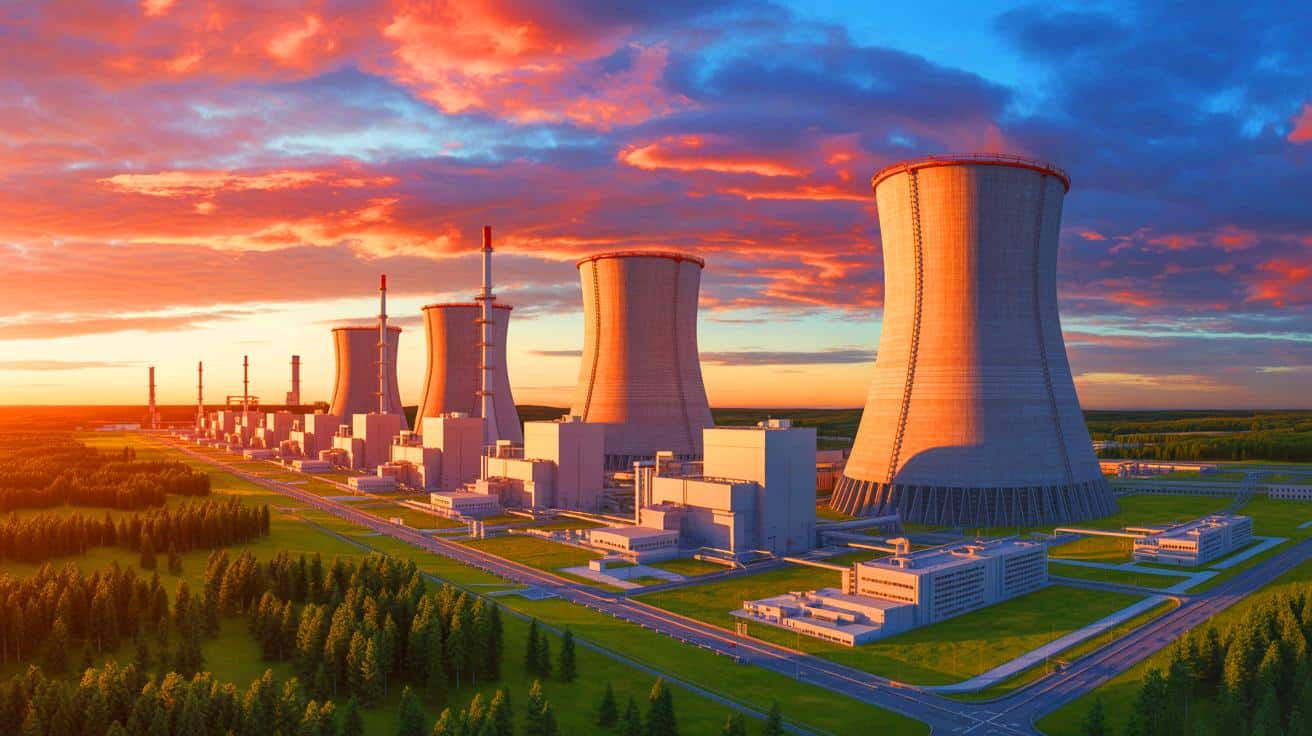
In a significant move toward sustainable energy, Russia has announced its ambitious plan to develop the world’s first closed nuclear fuel cycle system. This initiative, revealed by President Vladimir Putin, aims to transform how nuclear energy is produced and managed. By reusing nuclear fuel, this system promises to extend the availability of uranium resources while addressing the critical issue of radioactive waste. As countries worldwide seek cleaner energy solutions, Russia’s strategy could herald a new era in nuclear technology, possibly setting a precedent for global nuclear energy practices.
Plan for the World’s First Closed Nuclear Fuel Cycle
Russia’s proposal to create a closed nuclear fuel cycle system is poised to revolutionize the nuclear energy sector. President Vladimir Putin, speaking at the Atom Museum in Moscow, emphasized the urgent need to innovate as global nuclear energy demand is projected to surge. According to the International Atomic Energy Agency (IAEA), nuclear power capacity could more than double by the middle of this century, driven largely by developing nations seeking sustainable energy solutions.
The crux of Russia’s plan involves reusing 95% of spent nuclear fuel. This approach could significantly reduce the accumulation of radioactive waste, a persistent challenge in nuclear energy management. Putin cited estimates from the Organization for Economic Co-operation and Development (OECD), warning that under optimistic scenarios, global uranium resources might be exhausted by 2090. However, practical constraints could lead to depletion as early as the 2060s.
By implementing a closed fuel cycle, Russia aims to ensure that uranium supplies last longer than current projections suggest. This endeavor not only addresses resource scarcity but also sets a benchmark for nuclear waste management practices worldwide.
Russia’s Nuclear Energy Push
Russia’s advancements in nuclear technology extend beyond the closed fuel cycle initiative. At the Global Atomic Forum, Putin highlighted Russia’s leadership in nuclear reactor technology, which has been adopted by several countries. The nation is actively developing small modular reactors, both land-based and floating, to provide flexible and reliable power solutions.
Safety remains a paramount concern in Russia’s nuclear strategy. Putin underscored the importance of stringent safety protocols throughout the nuclear lifecycle, from uranium extraction to waste management. This focus on safety is crucial, given the potential risks associated with nuclear energy production.
International collaboration forms a core component of Russia’s nuclear endeavors. Rosatom, the state nuclear corporation, is involved in projects across the globe, including in Iran, India, and Turkey. This global outreach reflects Russia’s commitment to sharing its nuclear expertise and fostering international partnerships in energy development.
Russia currently operates 36 nuclear reactors with a total capacity of 27 gigawatts, with additional reactors under construction. These efforts position Russia as a significant player in the global nuclear energy landscape, trailing only the United States, France, and China in capacity.
International Collaboration and Research
To bolster its nuclear ambitions, Russia is inviting scientists worldwide to collaborate on developing advanced materials and technologies for the closed fuel cycle. This international research effort aims to harness collective expertise and accelerate innovations in nuclear energy.
The establishment of the International Research Center in the Ulyanovsk region marks a pivotal step in this collaborative endeavor. This facility will serve as the testing ground for new materials and technologies critical to the closed fuel cycle. By fostering a global exchange of ideas and expertise, Russia hopes to pave the way for breakthroughs that could redefine nuclear energy.
Such collaboration underscores the interconnected nature of modern energy challenges. As countries strive to balance energy needs with environmental responsibilities, international partnerships become essential. Russia’s initiative highlights the potential for joint efforts to address common challenges and drive progress in sustainable energy development.
The Future of Nuclear Energy
As global energy demands continue to rise, nuclear power remains a contentious yet vital component of the energy mix. Russia’s closed nuclear fuel cycle initiative represents a bold step toward addressing some of the industry’s most pressing challenges. By reimagining nuclear fuel use and waste management, Russia is positioning itself at the forefront of nuclear innovation.
The success of this initiative could have far-reaching implications, influencing nuclear energy policies and practices worldwide. As nations grapple with the dual imperatives of energy security and environmental stewardship, Russia’s approach offers a potential blueprint for sustainable nuclear energy development.
However, the path forward is not without obstacles. Technical, regulatory, and geopolitical challenges loom large as Russia embarks on this transformative project. The outcomes of this ambitious plan will undoubtedly shape the future discourse on nuclear energy and its role in a sustainable global energy landscape.
As the world witnesses Russia’s pioneering efforts in nuclear energy, the question remains: Will other nations follow suit in pursuing closed nuclear fuel cycles, or will alternative energy solutions dominate the future landscape? The unfolding developments promise to redefine energy strategies and environmental commitments across the globe.

Wow, if this works, it could be a game-changer! But why isn’t this making bigger headlines? 🤔
Is this really feasible or just another political move by Putin? 🤔
Wow, if true, this could change everything! Does anyone know the timeline for this project?
Isn’t reusing nuclear waste a risky business? What about the safety concerns?
How does this affect the international dynamics of nuclear energy?
Thank you for such an insightful article! It’s fascinating to see how nuclear energy is evolving. 😊
Great article! Thanks for shedding light on this important topic. 👍
Recycling nuclear waste sounds amazing, but what about the safety concerns?
Putin and nuclear energy… What could possibly go wrong? 😅
Can other countries adopt this technology, or is it exclusive to Russia?
How does this compare to the nuclear strategies of other countries like the US or France?
Why is this not being covered more in the mainstream media? Seems huge!
Putin is always up to something… do we trust this to be safe?
This sounds amazing, but how long before we see real results?
Thank you for this informative piece! It’s refreshing to see new solutions to old problems. 😊