


| IN A NUTSHELL |
|
Plastic pollution has become a pervasive issue in our environment, manifesting in both deep oceanic depths and geological layers as “plastistone,” a novel sedimentary rock formed from the fusion of plastic waste and natural rocks. In response to this growing problem, scientists are exploring innovative methods to recycle plastic waste into fuel. This controversial approach, known as pyrolysis, involves heating plastic to high temperatures to break down its molecular structure, resulting in usable hydrocarbons. While promising, the environmental and industrial viability of this method remains under scrutiny.
The Science Behind Pyrolysis
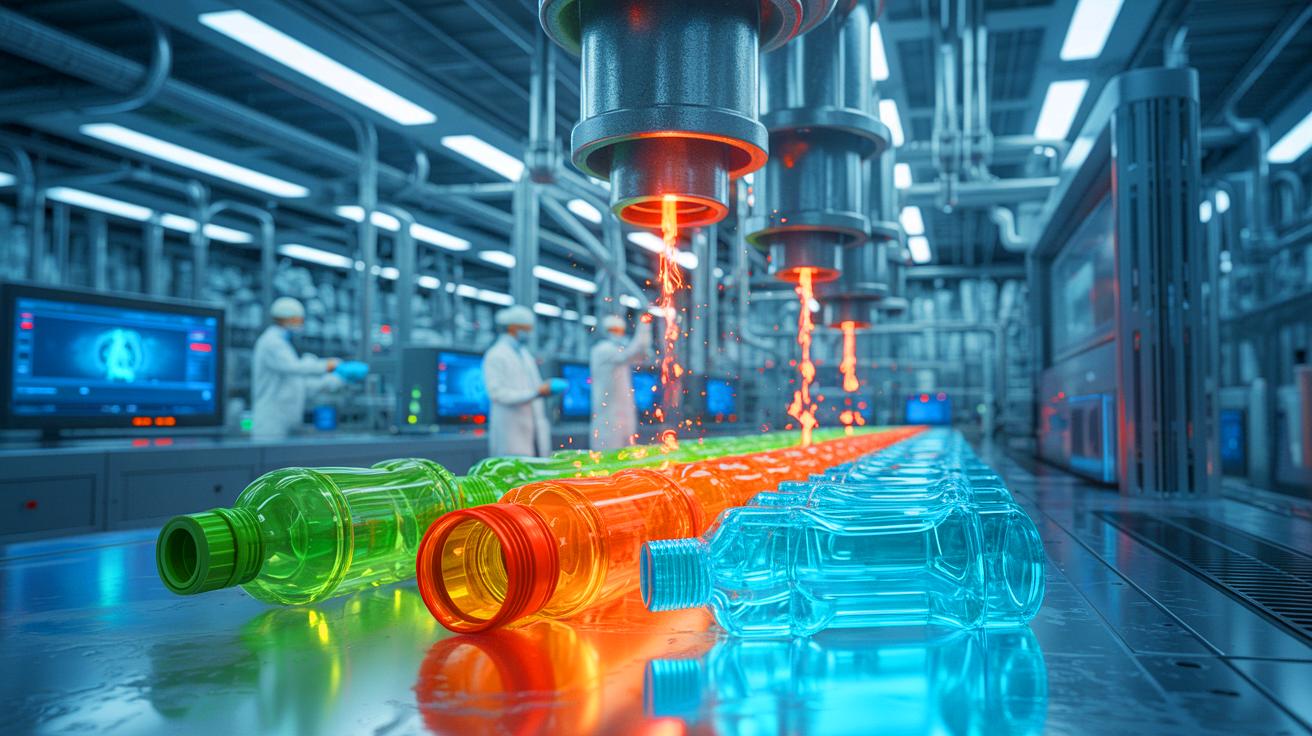
Pyrolysis is a process that involves heating plastic to approximately 1,650°F in the absence of oxygen. This method breaks down the long chains of plastic molecules, converting them into hydrocarbons that can be used as a form of energy. Traditionally, this process yields about 60% conversion of plastic into pyrolysis oil or “bio-oil,” which can power boilers, turbines, and diesel engines. This technology has piqued the interest of researchers and industries worldwide as a potential solution to the mounting plastic waste problem.
Recent advancements have emerged from research conducted at Yale University, where scientists successfully increased the yield of pyrolysis to 66% without the use of catalysts. This improvement could significantly reduce the costs and maintenance challenges associated with catalyst use. By testing their methods with industrial carbon felt, researchers demonstrated the adaptability of the process, achieving a conversion rate of about 56% of plastic into bio-oil. These developments suggest that the method could be adapted for broader application, although significant challenges remain.
“Dead Batteries Still Hold Power”: The US Eyes Billions in Lithium as Nations Clash Over Resources
Challenges and Environmental Concerns
Despite the technological advancements, pyrolysis is not without its drawbacks. The process itself is energy-intensive, requiring substantial energy input that results in the emission of CO2 and other pollutants. This has led some experts to describe the approach as an “industrial illusion,” suggesting that it does not fundamentally address the underlying dependence on fossil fuels. The current global trend of increasing production of single-use plastics further complicates the potential impact of this technology.
While researchers acknowledge the need for improved energy efficiency and better management of secondary emissions, the scalability of the technology offers some hope. Nonetheless, the primary solution may lie in reducing the production of new plastics and preventing plastic waste from entering the environment in the first place. Until such measures are implemented, pyrolysis and similar technologies can only provide partial relief to the plastic pollution crisis.
Implications for the Anthropocene
The proliferation of plastic waste has profound implications for the Earth’s geology and biology. The presence of microplastics in living organisms and the formation of plastistones on every continent highlight the enduring impact of human activity on the planet’s ecosystems. These markers are becoming defining characteristics of the Anthropocene, a term used to describe the current geological age viewed as the period during which human activity has been the dominant influence on climate and the environment.
Advanced recycling techniques like pyrolysis represent a response to these environmental challenges, but they must be part of a broader strategy to mitigate plastic pollution. Reducing the production of plastics and developing sustainable alternatives are critical steps in addressing this pervasive issue. As the international community works towards agreements to limit plastic proliferation, innovative recycling methods will play a role, albeit a limited one, in managing existing plastic waste.
The Future of Plastic Recycling
As scientists continue to refine pyrolysis and other advanced recycling technologies, the question of their long-term viability remains open. The environmental and industrial feasibility of such methods must be thoroughly evaluated to determine their role in future waste management strategies. While the potential to recycle plastics into fuel offers a glimpse of hope, it is not a panacea for the plastic pollution crisis.
The future of plastic recycling will depend on a combination of technological innovation, policy measures, and behavioral change. As researchers work to optimize processes like pyrolysis, the global community must also focus on reducing plastic production and encouraging sustainable consumption patterns. With the stakes as high as they are, what collaborative efforts will emerge to tackle the complex challenge of plastic pollution on a global scale?


Wow, turning trash into treasure! 🚮🔥 How cool is that?
Wow, this sounds like a game-changer! How soon can we expect this to be implemented on a large scale?
Isn’t burning plastic for fuel still harmful to the environment? 🤔
The future of recycling looks bright with this innovation!
How does this compare to other recycling methods in terms of efficiency?
Plastic into fuel… sounds like sci-fi becoming reality! 🚀
Are there any plans to reduce the energy input required for pyrolysis?
Will this discovery lead to new job opportunities in the recycling industry?
Thank you Yale, for pushing the boundaries of recycling tech!
What are the potential risks of this technology?
Just imagine a world with less plastic pollution thanks to this!
How soon can we expect this to be available on a large scale? ⏳
Does this mean cheaper fuel prices in the future? #Hopeful
Are there any by-products from this process that could pose environmental threats?
Can this process handle all types of plastics?
Thanks for sharing this exciting breakthrough! 🙌
How does this affect the lifecycle of plastics?
It’s about time someone found a use for all that plastic waste!
Could this lead to a reduction in new plastic production?
Is there any way to make this process more energy-efficient?
How sustainable is this process in the long run?
Hope this doesn’t end up being too good to be true.
How safe is this process for workers involved?
Another step towards a more sustainable future. Well done!
Does this mean we’ll see less “plastistone” in nature soon?
Are there any countries already adopting this technology?
Could this process be combined with other recycling methods for better results?
How does this impact the economics of recycling?
Thank you for a fascinating read. Keep up the great work! 🌟
This sounds like a game-changer. Fingers crossed! 🤞
So, we’re literally turning trash into treasure now? 🤔
Yale, you’ve done it again! Innovation at its best. 👏
Finally, a solution that doesn’t break the bank with expensive catalysts. Thank you, Yale!
This sounds promising, but what about the emissions from the pyrolysis process?
This sounds promising, but what about CO2 emissions from the process?
Is this method scalable to handle the global plastic waste problem?
Can’t wait for my car to run on melted plastic! 🚗💨
Holy crap indeed! Can’t wait to see how this develops. 🤯
It’s fascinating but doesn’t this just encourage more plastic production?
Can this technology be implemented in developing countries?
There is a guy called Julien Brown who’s been doing this for a while, seems odd that Yale are suddenly doing the same and taking credit for it…!