



| IN A NUTSHELL |
|
The Mediterranean Seagrass, commonly known as Neptune Grass, has taken on a remarkable role in the ongoing battle against oceanic plastic pollution. This aquatic plant, already appreciated for its antibacterial and antifungal properties, has now been found to trap and remove vast quantities of microplastics from the sea. A recent study has highlighted its potential as a natural filter, with the ability to eliminate approximately 900 million plastic fragments annually. This emerging environmental hero presents a promising solution to one of the most pressing ecological issues of our time.
The Unsung Hero of the Seas
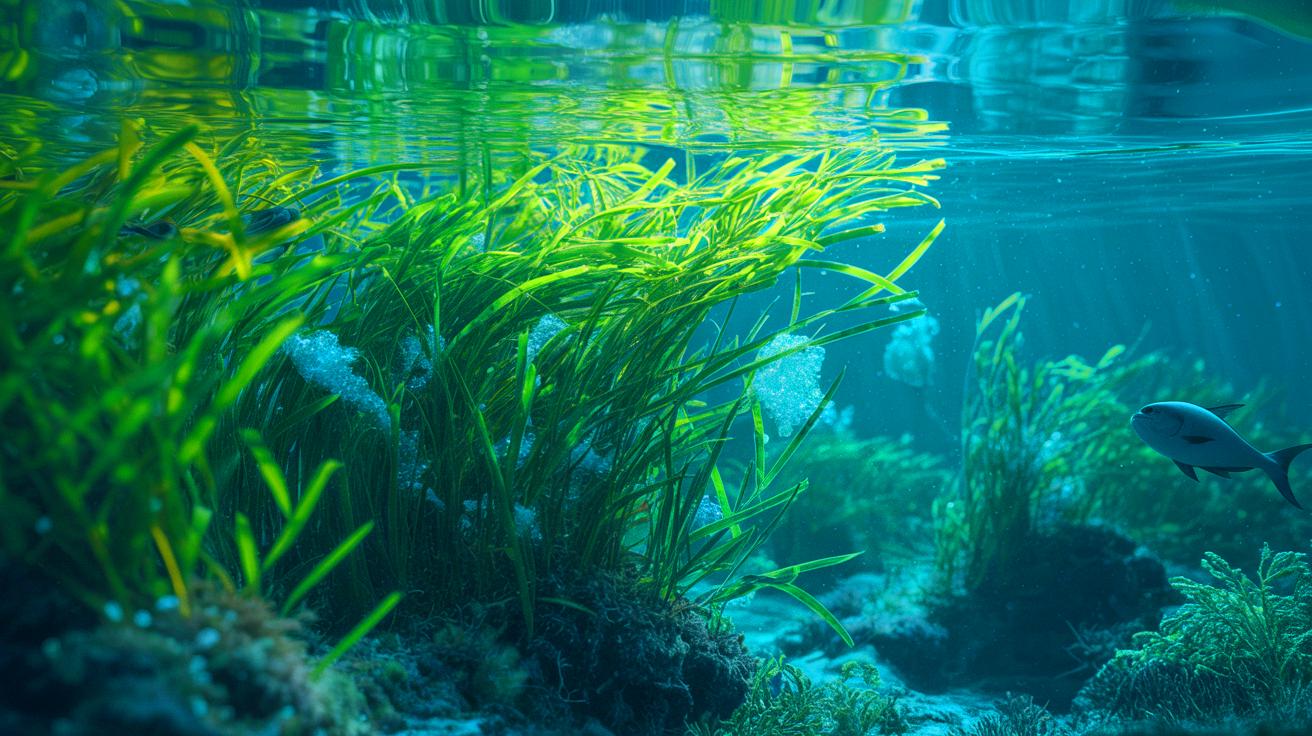
Neptune Grass, or Posidonia oceanica, has long been a significant part of Mediterranean marine ecosystems. Known for its ability to thrive in both rocky and sandy sea beds, this plant forms dense underwater meadows. These meadows play a crucial role in filtering and purifying ocean waters. The plant’s extensive root systems capture pollutants, including microplastics, from river waters that empty into the sea. This natural filtration process results in the formation of dense organic balls known as ‘egagropiles’.
Each year, these egagropiles, composed of plant fibers and trapped debris, wash up on Mediterranean shores. They carry with them the pollutants they have absorbed, effectively removing plastic waste from marine environments. The study, published in the journal Nature, underscores the importance of these seagrass meadows as a natural defense against marine plastic pollution.
Understanding the Egagropiles
Egagropiles, the dense balls of organic material formed by Neptune Grass, are pivotal in the plant’s role as a plastic filter. These balls are ejected from the plant and eventually deposited on beaches. In a study conducted on the shores of Majorca, Spain, researchers discovered that about 17% of these balls contained significant amounts of microplastics. The denser the ball, the more likely it was to have trapped plastic waste.
The research revealed that up to 1,470 plastic elements could be found in just one kilogram of these balls. The plant’s ability to capture not just plastics but also carbon makes it a dual force against pollution and climate change. The dense underwater meadows created by Neptune Grass serve as crucial carbon sinks, trapping carbon that would otherwise contribute to atmospheric warming.
A Global Perspective on Marine Pollution
The findings of this study have resonated globally, encouraging further research and awareness about the potential of natural solutions to combat marine pollution. Marine scientists suggest that seagrass meadows worldwide could offer similar benefits. The implications for global marine health are substantial, as these natural filters could mitigate the ongoing influx of plastics into oceans.
“It’s a way for the sea to return to us waste that wasn’t meant to be on the ocean floor,” said Anna Sanchez-Vidal, the lead author of the study.
https://www.sustainability-times.com/climate/mark-zuckerberg-faces-fury-as-black-smoke-chokes-the-riviera-during-300m-superyacht-repair-in-southern-france/
This sentiment captures the essence of the issue: the need for human accountability in preventing plastic waste from reaching these sensitive ecosystems in the first place. By enhancing our understanding of natural processes like those involving Neptune Grass, we can develop better strategies for preserving marine environments.
Future Implications for Environmental Policy
The role of Neptune Grass and similar natural systems in combating marine pollution could influence future environmental policies. Policymakers might consider integrating the protection and restoration of seagrass meadows into broader conservation efforts. Given their proven efficacy in trapping pollutants, these ecosystems could become central to international strategies aimed at reducing oceanic pollution.
The potential for utilizing such natural solutions is vast. Conserving existing seagrass meadows and restoring degraded ones could amplify their impact. As researchers continue to unveil the complexities of these ecosystems, it is crucial to support initiatives that protect and harness their natural capabilities for environmental remediation.
As the impact of Neptune Grass on marine pollution becomes increasingly evident, the question arises: How can we effectively integrate natural solutions into our broader environmental strategies to combat ocean pollution worldwide? This inquiry invites further exploration and collaboration among scientists, policymakers, and communities to address one of the most pressing environmental challenges of our era.

Wow, 900 million fragments? That’s incredible! 🌿
Wow, 900 million fragments! That’s a lot. Can we grow more Neptune Grass in other parts of the world? 🌍
What are egagropiles? Never heard of them before!
Does this mean we can stop worrying about ocean plastic? 🤨
This is awesome news! Let’s plant more of these grasses! 🌱
How does this compare to artificial filtration methods?
Can we somehow replicate this process in other parts of the world?
I’m skeptical. How reliable is this study?
If only everything in nature could clean up our mess like this! 😅
Thank you for shedding light on this issue. 🌍
Is there any research on how climate change affects Neptune Grass?
How exactly do these egagropiles form? 🤔
How do you measure the amount of plastic trapped? 📏
What a fascinating natural solution! More articles like this, please!
This seems like a band-aid solution. We need to stop the plastic at the source.
Such a cool article! Never thought I’d be rooting for grass! 🌿
Are there any initiatives to protect these meadows?
Does this mean we can use seagrass in other polluted areas?
Neptune Grass sounds like a superhero for the oceans. 🦸♀️ But why haven’t we heard about it before?
Why isn’t this more widely known? 🤷♀️
Does egagropile density affect the filtration efficiency?
How long does it take for Neptune Grass to form these meadows?
Can I have some of this magical grass for my aquarium? 😂
Would love to see more detailed data on this study.
How do we ensure these meadows aren’t destroyed by human activities?
This is a great step towards a cleaner ocean! Thank you for sharing! 🌊
Does the removal of microplastics affect the growth of Neptune Grass in any way?
I wonder if this could be applied to other types of pollution too?
Neptune Grass sounds like a superhero of the sea! 🦸♂️
This is great news! Thank you for sharing such a positive environmental story.
Could this have any negative impact on marine life?
Are there any side effects to the marine ecosystem if we rely too much on Neptune Grass?
Is there a way to enhance this natural process? 🤔
17% of egagropiles contain plastics…that’s pretty high. 😟
Impressive, but how do we handle the plastic once it’s on the beach? Recycling or landfill?
Who knew plants could be so powerful? Kudos to Neptune Grass!