


| IN A NUTSHELL |
|
The Îles-de-la-Madeleine, a picturesque archipelago in Quebec, is grappling with the harsh realities of climate change. Erosion is eating away at its coastline, threatening both the environment and the communities that call these islands home. In response, Yves Leblanc, a local resident and environmental advocate, has turned back to nature for a solution. He is spearheading an initiative to reintroduce the myrique des îles, a native plant with remarkable ecological benefits, to combat the relentless erosion. This effort highlights a growing trend towards using native flora to tackle environmental challenges, showcasing the potential of sustainable, nature-based solutions in the face of global climate threats.
Myrique Des Îles: A Local Solution to Coastal Erosion
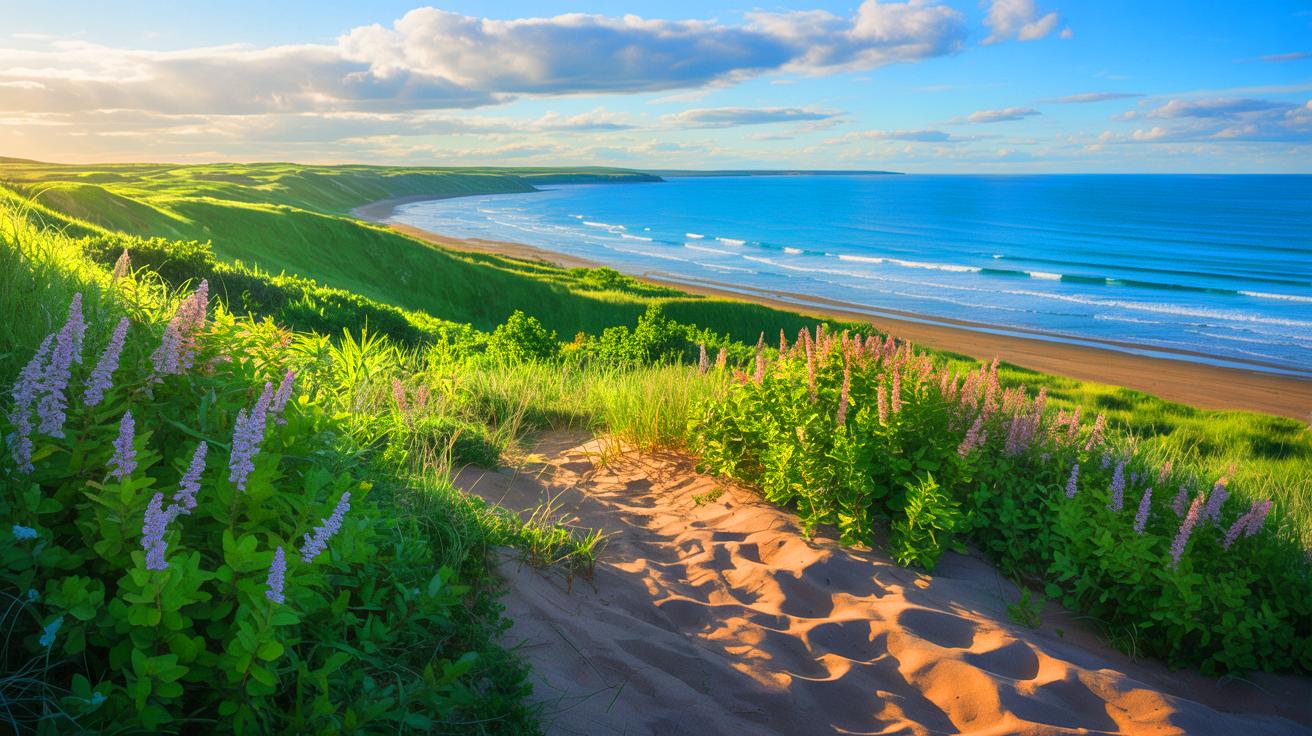
As climate change accelerates, the Îles-de-la-Madeleine are experiencing unprecedented coastal erosion. The once-protective ice that shielded the shores during harsh winters is no longer forming, leaving the islands vulnerable to storms. In this context, the myrique des îles, a plant native to the archipelago, emerges as a promising ally. Yves Leblanc, founder of the Alliance Myrique, is championing the replanting of this species along the island’s dunes, which are crucial barriers against the sea.
The plant’s deep root system helps anchor the soil, mitigating the effects of erosion. This natural defense is vital as the islands’ coastlines are increasingly battered by severe weather events. The initiative not only aims to restore the natural landscape but also seeks to inspire similar ecological efforts globally. By focusing on a plant that is both native and adaptive, Leblanc’s approach underscores the importance of local solutions to global environmental challenges.
An Ecological Powerhouse
The myrique des îles is more than just a tool against erosion; it is an ecological powerhouse. This hardy plant thrives in poor soil conditions, making it ideal for the sandy landscapes of the Îles-de-la-Madeleine. Its ability to fix nitrogen in the soil enhances fertility, paving the way for other plant species to flourish. This creates a cascade of ecological benefits, fostering biodiversity and strengthening the resilience of the local ecosystem.
Moreover, the plant's role in stabilizing the soil is crucial for preventing further environmental degradation. By enhancing the habitat for various species, the myrique des îles contributes to a balanced and thriving ecosystem. Its reintroduction not only aids in preserving the islands' natural beauty but also serves as a testament to the power of ecological restoration efforts. In a world facing rapid environmental changes, such initiatives are vital for sustainable development and conservation.
The Broader Implications of Plant-Based Solutions
Yves Leblanc's initiative is part of a larger movement advocating for the use of native plants in environmental conservation. Across the globe, similar projects are harnessing the unique properties of local flora to address ecological challenges. This approach is gaining traction as it aligns with sustainable principles and leverages nature's inherent capabilities.
The success of these projects hinges on understanding the specific ecological roles of native plants. By reintroducing them into their natural habitats, environmentalists can restore ecosystems and combat issues like erosion, habitat loss, and biodiversity decline. Such strategies are not only effective but also cost-efficient compared to traditional engineering solutions. As climate change continues to impact natural landscapes, the importance of plant-based solutions becomes increasingly evident, offering a viable path forward in ecological conservation.
Challenges and Future Prospects
While the reintroduction of the myrique des îles presents a promising strategy, it is not without challenges. The success of such initiatives depends on community support, funding, and ongoing research to monitor and adapt the approach as needed. Additionally, the complexities of climate change mean that no single solution can address all environmental challenges.
Despite these hurdles, the project has garnered interest and support from environmentalists and local communities alike. Its potential to inspire similar efforts worldwide is significant. As we look to the future, questions remain: How can we best integrate nature-based solutions into broader environmental policies? What role will local communities play in driving these initiatives? The answers will shape the trajectory of ecological conservation and highlight the enduring relationship between humans and the natural world.
The efforts to reintroduce the myrique des îles on the Îles-de-la-Madeleine illustrate the power of nature-based solutions in addressing environmental challenges. By leveraging the unique properties of native plants, communities can create sustainable defenses against the impacts of climate change. As this initiative progresses, it invites us to consider: How can we further harness the potential of native flora to protect and restore our planet's ecosystems?

Wow, this is amazing! Who knew plants could be such superheroes? 🌿
Wow, this is incredible! Who knew a plant could make such a difference? 🌱
Is there any scientific data to back up these claims, or is it mostly anecdotal?
Is myrique des îles edible? Just curious if there’s another use for it!
How long does it take for the myrique des îles to effectively stabilize soil?
Great article! It’s amazing to see nature-based solutions getting the attention they deserve. 🌍
I hope the local community gets involved and supports this initiative. It’s crucial! 💪
Sounds promising, but what if the plant doesn’t adapt well to climate change itself?
How long does it take for the myrique des îles to start showing positive effects on the coastline?
Thiss sounds great! We need more nature-based solutions worldwide.
What a fantastic initiative! Kudos to Yves Leblanc and the community for taking action. 👏
How does this compare to traditional engineering solutions for erosion prevention?
Could this method be applied to other coastal areas facing erosion?
Does anyone else think these nature-based solutions should be implemented worldwide?
Thank you for highlighting such an innovative approach to climate change! 🌿
Are there any potential downsides to reintroducing this plant on a large scale?
Great read! I hope this inspires more projects like this around the world. 🌎
Do we have enough evidence to support the long-term benefits of this approach?
Love seeing local communities taking charge of their environment! Way to go, Quebec! 🎉
I wonder if this could help with erosion issues in other countries too?
Wait, are we sure this plant doesn’t have any invasive tendencies?
This is a great reminder of the power of nature. Thank you for sharing! 🌿
Hope this project gets the funding it needs to succeed. Every bit helps! 💸
I’m skeptical. Can a plant really stop erosion significantly?
Thank you Yves Leblanc for your dedication to our planet! 🌱
How long did it take to see results after replanting myrique des îles?
Is there a scientific study that supports the claims made in this article?
This is an awesome initiative! How can other regions get involved?
Can anyone explain the nitrogen-fixing property in simple terms?
Quebec leading the way in eco-friendly solutions—love it! 🍁
Is this project solely funded by the local community or are there other sponsors?
Such a cool project! Are there any volunteer opportunities to help out? 🌱
I hope this article raises awareness about the importance of preserving native plants!