




| IN A NUTSHELL |
|
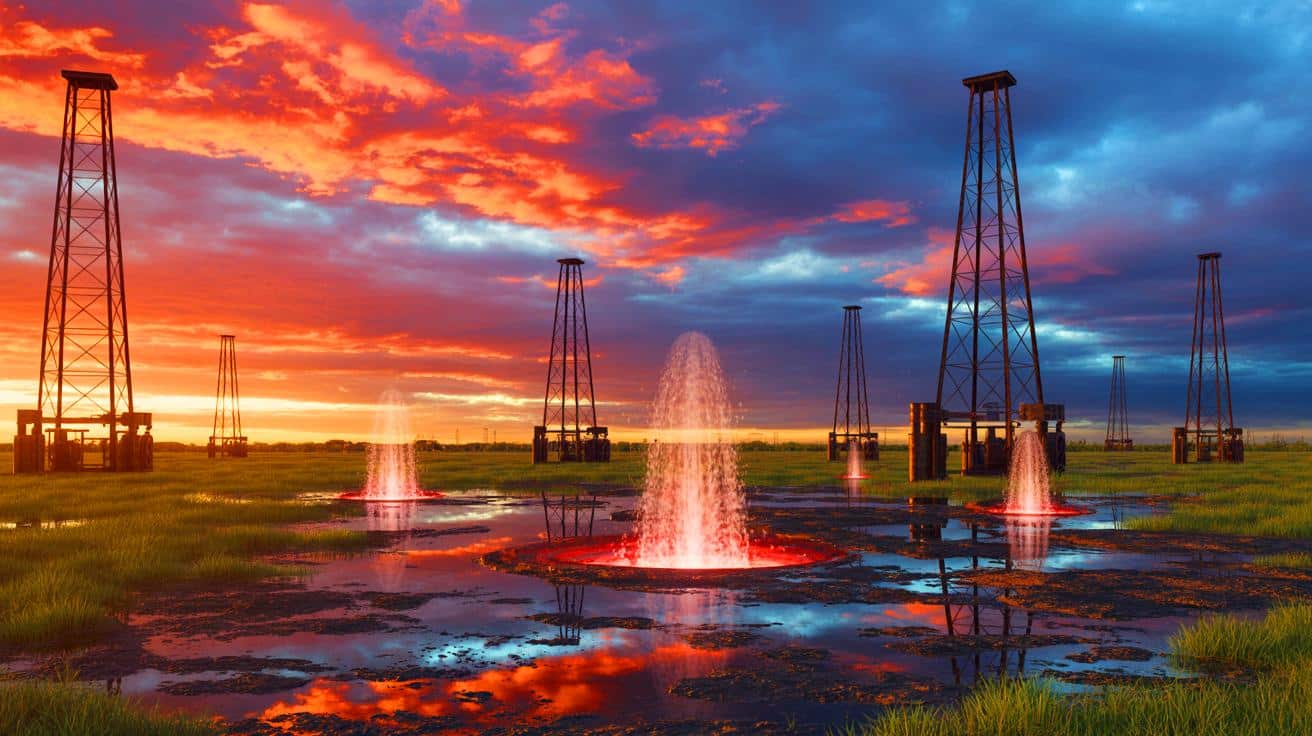
In the heart of Texas, a new environmental crisis is unfolding in the Permian Basin, a region long synonymous with oil wealth. This vast oilfield, stretching between Texas and New Mexico, is witnessing a peculiar and dangerous phenomenon: toxic geysers erupting from old, abandoned oil wells. These “zombie wells,” as they are now called, are unleashing hazardous water instead of the anticipated crude oil. The situation has raised alarms among environmentalists, local farmers, and even oil producers themselves. The implications of these eruptions are far-reaching, sparking debates about the future of oil extraction and waste management in one of America’s most prolific oil-producing regions.
The Problem With Surface-Level Waste Injection
In a bid to increase oil production while minimizing seismic activity, the oil industry has turned to surface-level waste injection. This method involves injecting wastewater produced during oil extraction into shallow underground cavities instead of deeper geological formations. The decision, however, has backfired. As satellite studies have shown, this practice has led to significant subsidence and ground instability in the Permian Basin. The method was initially promoted as a compromise to reduce earthquake risks, but it has resulted in unintended consequences.
Documents obtained through Texas’s public information laws reveal that oil operators pressured state regulators to approve this technique. Despite awareness of the risks, authorities sanctioned the shallow injection method. As a result, the toxic geysers now plaguing the region are a direct consequence of these decisions. The surface-level injections have not only caused ground swelling and instability but also created pressure on old wells, leading to the dangerous eruptions currently witnessed.
Overflowing Reservoirs and the Threat to Water Safety
The sheer volume of wastewater being injected into the ground has overwhelmed the shallow reservoirs. These reservoirs, now filled to capacity, are exerting immense pressure on the old oil wells scattered throughout the Permian Basin. According to Heather DeShon, a geophysics professor at Southern Methodist University, each of these wells serves as a potential conduit for the toxic water to reach the surface. Known as "zombie wells," they pose a significant threat to the environment and public health.
Local farmers are particularly concerned about the potential contamination of drinking water supplies. The risk of these toxic substances seeping into aquifers is a pressing fear. Furthermore, the oil producers themselves are worried about the flooding of their reserves due to the overflow. Although state authorities have acknowledged the problem and imposed restrictions, developing alternative methods for wastewater disposal remains a costly challenge.
The Economic Impact: Falling Oil Prices and Industry Slowdown
The economic landscape for oil producers in the Permian Basin is grim. Following President Trump's inauguration, the price of crude oil has plummeted by nearly 20%, dipping below $65 per barrel. This price drop has hit the industry hard, forcing many producers to scale back operations significantly. The dream of relentless oil drilling has turned into a nightmare, as profitability becomes increasingly elusive.
As oil companies navigate this difficult economic terrain, the added burden of managing the wastewater crisis compounds their challenges. The costs associated with finding and implementing sustainable waste disposal solutions are steep. The current situation has sparked discussions about the long-term viability of oil extraction in the region and the industry's responsibility in mitigating environmental impact.
Regulatory and Environmental Challenges Ahead
The unfolding crisis in the Permian Basin underscores the complex interplay between economic interests and environmental stewardship. Regulatory bodies face the daunting task of balancing industry demands with ecological preservation. The shallow injection method, while initially seen as a practical solution, highlights the pitfalls of short-term thinking in environmental policy.
There is a growing call for more stringent regulations and innovative approaches to wastewater management. Environmentalists and scientists advocate for a paradigm shift in how the oil industry addresses its byproducts. The challenge lies in developing technologies and practices that can sustainably manage the vast quantities of waste generated by oil extraction while safeguarding the environment and public health.
As the Permian Basin grapples with this multifaceted crisis, the broader implications for the oil industry and environmental policy are clear. The situation raises critical questions about the future of energy production and waste management in the United States. How will the industry adapt to these challenges, and what role will regulatory frameworks play in shaping a sustainable path forward?


Are we really surprised that injecting waste into the ground could backfire? 🤔
This is terrifying! How can this still be happening in today’s world? 😟
Thank you for shedding light on this issue. It’s alarming to see how neglected environmental regulations can lead to such disasters.
Is there any plan in place to address these zombie wells? The environmental impact must be huge.
The economic impact on the oil industry is significant, but shouldn’t the priority be on public health and safety?
Wow, I’m glad someone is finally talking about this issue. Thanks for the article!
Zombie wells sound like a plot from a horror movie! 🧟♂️ How are the authorities planning to address these issues?
How does this affect the local wildlife? Are there any studies on that?
Is there any chance for the affected farmers to seek compensation for their contaminated water supplies?
Great, more bad news from the oil industry. 🙄
This is why we need to focus on renewable energy sources! Fossil fuels continue to wreak havoc on our planet.