

| IN A NUTSHELL |
|
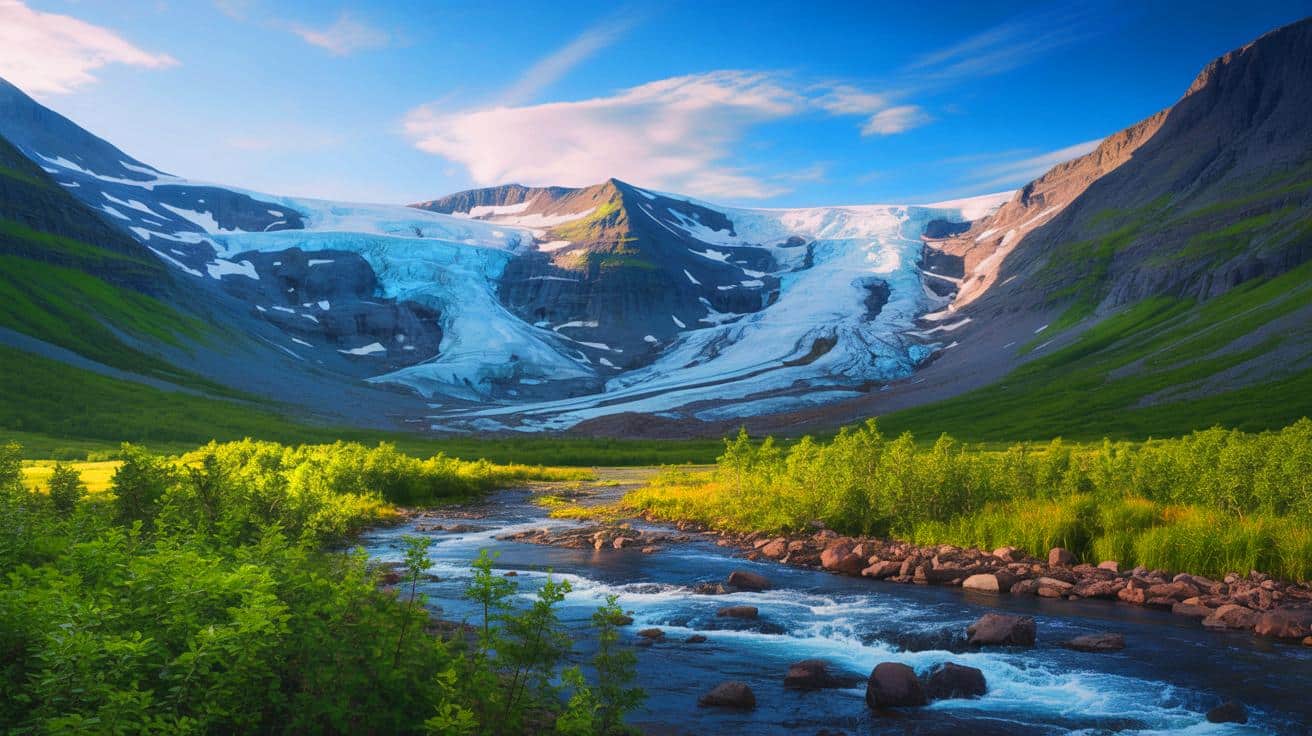
In recent years, the global climate crisis has become a pressing issue, with tangible effects observed worldwide. One of the most striking manifestations of this phenomenon is the disappearance of glaciers, crucial indicators of climate health. In Sweden, a country known for its stunning natural landscapes, the alarming disappearance of eight glaciers illustrates the severe impacts of global warming. These glaciers, located in the Kebnekaise mountain range in Swedish Lapland, have vanished due to rising temperatures. This unprecedented event raises significant concerns about the future of other glaciers in the region and the broader implications for our global climate.
The Disappearance Of Swedish Glaciers
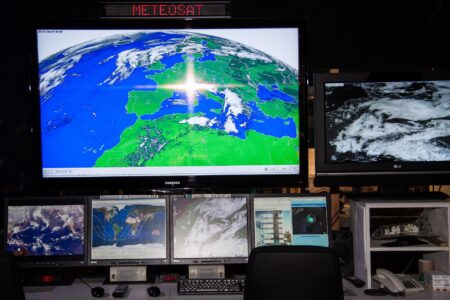
The Kebnekaise mountain range, home to Sweden’s highest peak, has long been a site of scientific interest. Each year, researchers from the Tarfala Research Station, led by Professor Nina Kirchner, monitor the glaciers using satellite imagery. This year, their analysis revealed a startling absence: eight glaciers previously identified in the region were no longer visible. Initially, the team believed there might have been an error in their data. However, further verification confirmed that these glaciers had indeed vanished.
Among the missing glaciers was Cunujokeln, the northernmost glacier in Sweden, located in the Vadvetjakka National Park. The largest of the disappeared glaciers was approximately the size of six football fields. The disappearance marks the first time such an event has been recorded since high-resolution satellite imaging began in the early 2000s. According to Professor Kirchner, the extreme heat of 2024 was the primary catalyst for the glaciers’ disappearance. This year was recorded as the hottest ever by the World Meteorological Organization, driven by the extensive use of fossil fuels since the industrial revolution.
Understanding The Impact Of Global Warming
The loss of glaciers is more than just an environmental concern; it is a stark indicator of the broader impacts of climate change. Glaciers are essential components of the Earth's ecosystem, serving as freshwater reservoirs and reflecting sunlight back into the atmosphere, which helps regulate the planet's temperature. The melting of glaciers contributes to rising sea levels, which poses a direct threat to coastal communities around the world.
The primary driver of this warming trend is the continued reliance on fossil fuels for energy production. The burning of these fuels releases greenhouse gases, such as carbon dioxide, into the atmosphere, trapping heat and causing global temperatures to rise. This process, known as the greenhouse effect, is the main contributor to the warming climate and the resultant glacial melting. The disappearance of Swedish glaciers serves as a clear warning of the urgent need for global action to reduce carbon emissions and transition to sustainable energy sources.
Future Prospects For Swedish Glaciers
Despite the grim outlook, there is a glimmer of hope for the remaining glaciers in Sweden. Professor Kirchner notes that the winter of 2025 was characterized by heavy snowfall and a relatively cool summer, which might help stabilize the glaciers temporarily. However, she cautions that such favorable conditions are not guaranteed to persist. As climate patterns continue to shift, the likelihood of more hot summers increases, potentially leading to further glacial loss.
Preparations must be made for future climate variability. This involves not only monitoring the glaciers more closely but also developing strategies to mitigate the impacts of their potential disappearance. The scientific community emphasizes the importance of understanding the local and global implications of glacier loss, particularly in terms of water resources and ecosystem balance. Through continued research and international collaboration, there is hope for better managing the effects of climate change.
The Role Of International Efforts In Combating Climate Change
Addressing the challenges posed by climate change requires a coordinated international effort. The disappearance of Swedish glaciers is a microcosm of the global environmental crisis. It underscores the need for comprehensive policies aimed at reducing greenhouse gas emissions and promoting renewable energy sources. This involves commitments from nations worldwide to adhere to agreements such as the Paris Accord, which seeks to limit global temperature rise to below 2 degrees Celsius above pre-industrial levels.
Moreover, public awareness and education play crucial roles in driving change. By understanding the impacts of individual and collective actions on the environment, societies can make more informed decisions that contribute to sustainability. The recent events in Sweden serve as a poignant reminder of the interconnectedness of global communities and the shared responsibility to protect our planet for future generations.
The disappearance of glaciers in Sweden is a stark reminder of the pressing need to address climate change. As these natural wonders vanish, we are left to consider the broader implications for our planet's future. The question remains: what proactive steps can we take, both individually and collectively, to safeguard our environment and ensure the sustainability of essential ecosystems worldwide?

Wow, six football fields of ice gone just like that? That’s chilling… or not! 😅
Wow, six football fields of ice gone? That’s insane! 😮
Is there any hope for reversing this trend, or are we too far gone?
Can someone explain how glaciers disappearing affects sea levels?
Thank you for highlighting such an important issue. The more awareness, the better!
I guess winter sports in Sweden will be a little different now. 🏂❄️
I’m skeptical. How accurate is the satellite data? Could it be exaggerated?
What are the governments doing about this? Feels like we’re moving too slow on climate action. 😡
Can we expect a similar fate for glaciers in other parts of the world?
How accurate is satellite imagery when it comes to tracking glacier changes? 📡
This is terrifying. What can we do to help reduce our carbon footprint?
Is this a sign that we’re too late to stop climate change?