


| IN A NUTSHELL |
|
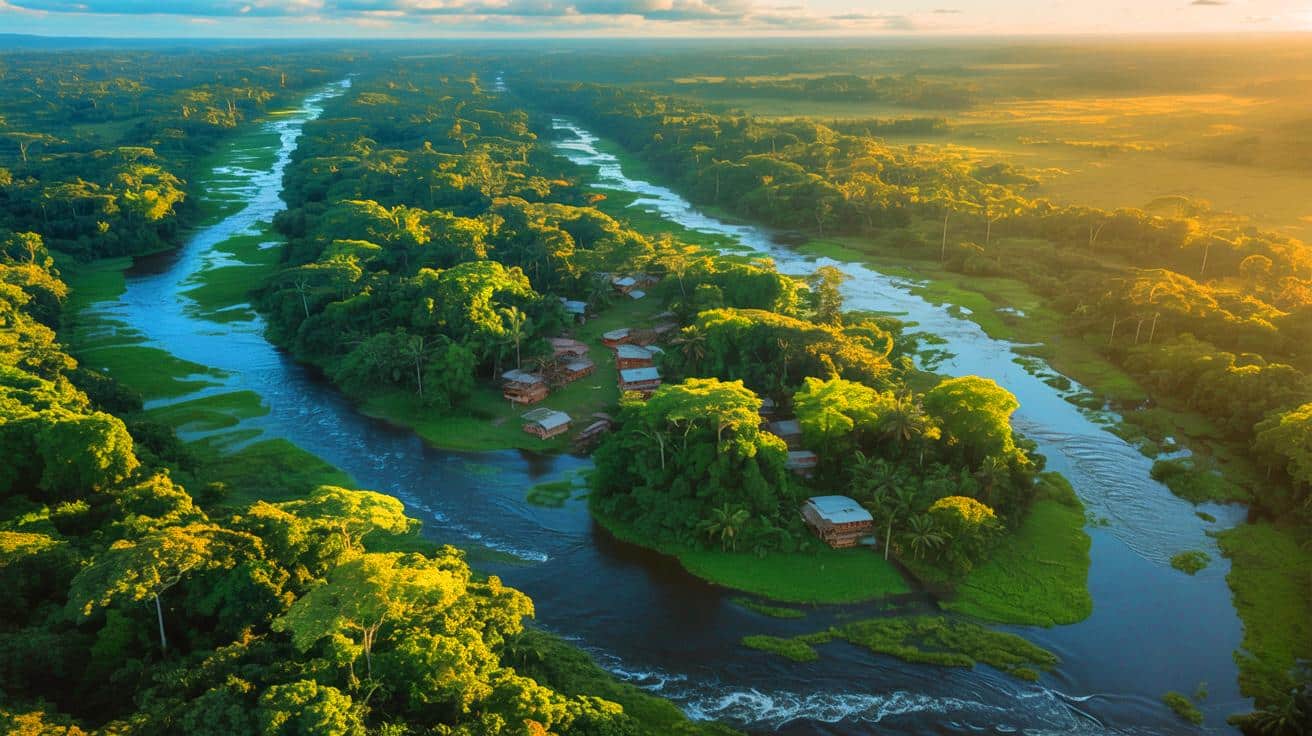
The Amazon rainforest, often hailed as the lungs of our planet, is not only a crucial player in global biodiversity and climate regulation but also a vital shield for human health. Recent findings published in the journal Communications Earth & Environment shed light on this lesser-known role of the Amazon. A study led by a researcher from the International Union for Conservation of Nature (IUCN) has revealed that forests on indigenous lands serve as a formidable barrier against nearly thirty diseases threatening the 33 million residents of the Amazon region. This discovery underscores the intricate connections between ecosystem health and human well-being.
The Groundbreaking Study’s Findings
The study, which spans two decades, from 2001 to 2019, delves into 27 diseases, including stroke, lung cancer, asthma, Chagas disease, malaria, and leishmaniasis. These conditions, comprising 21 cardiovascular and respiratory diseases and six infectious ones, total 30 million cases across the region. The researchers found that proximity to forests owned by indigenous peoples consistently reduced the incidence of these diseases. The study’s scope was extensive, drawing data from 1,733 municipalities that represent three-quarters of the Amazon, encompassing countries like Bolivia, Brazil, Colombia, Ecuador, Peru, Suriname, Venezuela, and French Guiana.
In the Brazilian Amazon alone, forest fires between 2002 and 2011 contributed to an average of 2,906 premature deaths annually due to respiratory and cardiovascular diseases. These figures highlight the critical role forests play in mitigating health risks and emphasize the urgent need for forest preservation.
Agricultural Expansion, Roads, and Oil Drilling
Forest fires, often ignited to clear land for grazing or crops, are exacerbated by climate change, leading to increased frequency, intensity, and scale. Ana Filipa Palmeirim, a co-author of the study and a professor at the Federal University of Pará, describes the suffocating smoke that fills the air during these fires. “Daily life comes to a standstill, with the elderly and children confined to their homes to avoid hospital visits,” she notes.
Even fires in remote forest areas can have widespread consequences, as winds carry pollution over vast distances, creating deadly health emergencies. Previous studies have linked deforestation directly to the rise in zoonotic and vector-borne diseases, such as those transmitted by mosquitoes. Agricultural expansion, oil drilling, and large infrastructure projects like roads and hydroelectric plants increase human-animal interactions, further elevating the risk of disease transmission.
Eating Breakfast After This Hour Cuts 5 Years From Your Life Expectancy Scientists Warn
The Importance of Indigenous Land Rights
Paula Prist, the lead coordinator of the IUCN's "Forests and Grasslands" program, emphasizes the health benefits of Amazonian forests for millions of people. Ensuring strong land rights for indigenous communities is the best way to preserve these forests and their health benefits, she asserts. Yet, economic activities continue to threaten these vital ecosystems. Brazil's recent auctions for oil exploration units, many located in the Amazon basin, raise concerns among affected communities about the potential impacts on their lands and health.
This tension between economic development and environmental preservation highlights the complex negotiations needed to safeguard both the environment and human health. Indigenous communities, often at the forefront of conservation efforts, play a crucial role in maintaining the delicate balance between ecological and human well-being.
Challenges and Future Directions
The Amazon rainforest faces ongoing threats from deforestation, driven by various factors, including agricultural expansion, logging, and mining. These activities not only disrupt the ecosystem but also pose significant health risks to local populations. The study underscores the need for comprehensive policies that address both environmental and health concerns.
Policymakers must consider the long-term impacts of development projects on the Amazon's ecological health and the well-being of its inhabitants. Collaborative efforts involving governments, indigenous communities, and international organizations are essential to create sustainable solutions that protect both the environment and public health. The findings of this study serve as a call to action for global leaders to prioritize the preservation of the Amazon and its invaluable contributions to human health.
The Amazon rainforest continues to be a critical component of the Earth's ecosystem, offering numerous benefits that extend beyond its borders. As we navigate the challenges of development and conservation, the importance of preserving this vital resource becomes increasingly clear. What steps can be taken to ensure that the Amazon's health benefits are safeguarded for future generations?

Wow, I had no idea the Amazon was so vital to human health! 🌿
Is it too late to reverse the damage already done to the Amazon rainforest? 🤔
Is there any hope for reversing the damage already done to the rainforest?
Great article! We need more awareness on the importance of indigenous land rights. Thank you for sharing this. 🌿
This is a wake-up call. Why aren’t more people talking about this?
How exactly do these forests protect against diseases? The article mentions respiratory and cardiovascular diseases, but what about others like malaria?
Very informative article. Thank you for shedding light on this crucial issue!
Why does Brazil prioritize cattle farms over forests? Seems shortsighted to me.
How can we support indigenous communities in protecting these lands?
Wow, 30 diseases? That’s a lot! We definitely need to protect the Amazon better. 🌎
The Amazon as a disease shield? That’s mind-blowing! 🌍