

| IN A NUTSHELL |
|
The story of lost civilizations beneath the North and Baltic seas is a compelling one, filled with mystery and urgency. Thousands of years ago, what are now vast bodies of water were once expansive plains, home to thriving human societies. As the last Ice Age ended, rising sea levels submerged these lands, leaving behind a curious history for modern scientists to uncover. Today, a collaborative effort among leading European research institutions aims to explore these submerged landscapes, shedding light on the lives of ancient peoples and their eventual disappearance. However, this archaeological endeavor is racing against time due to the rapid expansion of offshore wind farms in the region.
The Lost Civilizations of the North Sea
Approximately 8,000 to 6,000 BCE, the areas now known as the North and Baltic seas were not underwater. Instead, these regions consisted of vast plains teeming with life and early human civilizations. As the Ice Age came to a close, melting ice caps led to a dramatic rise in sea levels, inundating these fertile lands. The civilizations that once thrived there vanished under the waves, leaving behind scant traces of their existence. This historical narrative raises intriguing questions about the resilience and adaptability of ancient societies in the face of environmental changes.
One of the most fascinating submerged landscapes is Doggerland, a region that flourished in the North Sea around 8,200 years ago. This area is now a focal point for researchers hoping to uncover evidence of past human activity. The question of how these societies adapted to changing environments is more than an academic curiosity—it’s a pressing issue that resonates with today’s global challenges regarding climate change and rising sea levels.
“We know almost nothing about the people who lived on these great plains. As Europe and the world approaches net zero, development of the coastal shelves is now a strategic priority.” — Vincent Gaffney
The Role of Technology in Unraveling the Past
Modern technology is at the heart of efforts to explore these submerged sites. The SUBNORDICA project is employing a range of advanced techniques to map the seabed and simulate lost settlements. These methods include seismic and acoustic surveys, boreholes, and computer simulations. The University of Bradford, a key player in the initiative, is utilizing data from magnetometer surveys, which are pivotal in identifying locations where ancient civilizations may have thrived.
The use of AI tools enhances the research by processing vast amounts of data more efficiently. These technologies not only promise to uncover hidden archaeological treasures but also aid in understanding the environmental conditions that these ancient societies faced. As researchers delve into the mysteries of the past, they are also contributing valuable insights into sustainable development practices for the future.
Impact of Offshore Wind Farms
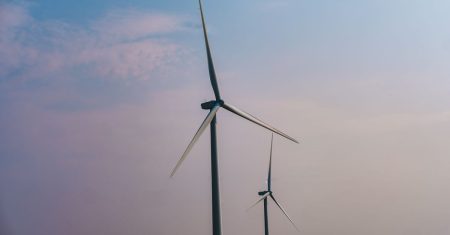
The development of offshore wind farms in the North Sea is seen as a crucial step in combating climate change. However, it poses a significant challenge to archaeological research. The coastal shelf, once a vibrant landmass, is now being transformed into a hub for green energy infrastructure. This industrial expansion threatens to limit scientific access to submerged sites, making the work of projects like SUBNORDICA more urgent than ever.
Researchers are in a race against time to document and analyze these ancient landscapes before they are permanently altered by modern developments. The balance between preserving historical heritage and advancing renewable energy presents a complex dilemma. As nations strive to achieve net-zero emissions, the importance of understanding our past becomes increasingly relevant to inform future decisions.
Understanding Ancient Coastal Settlements
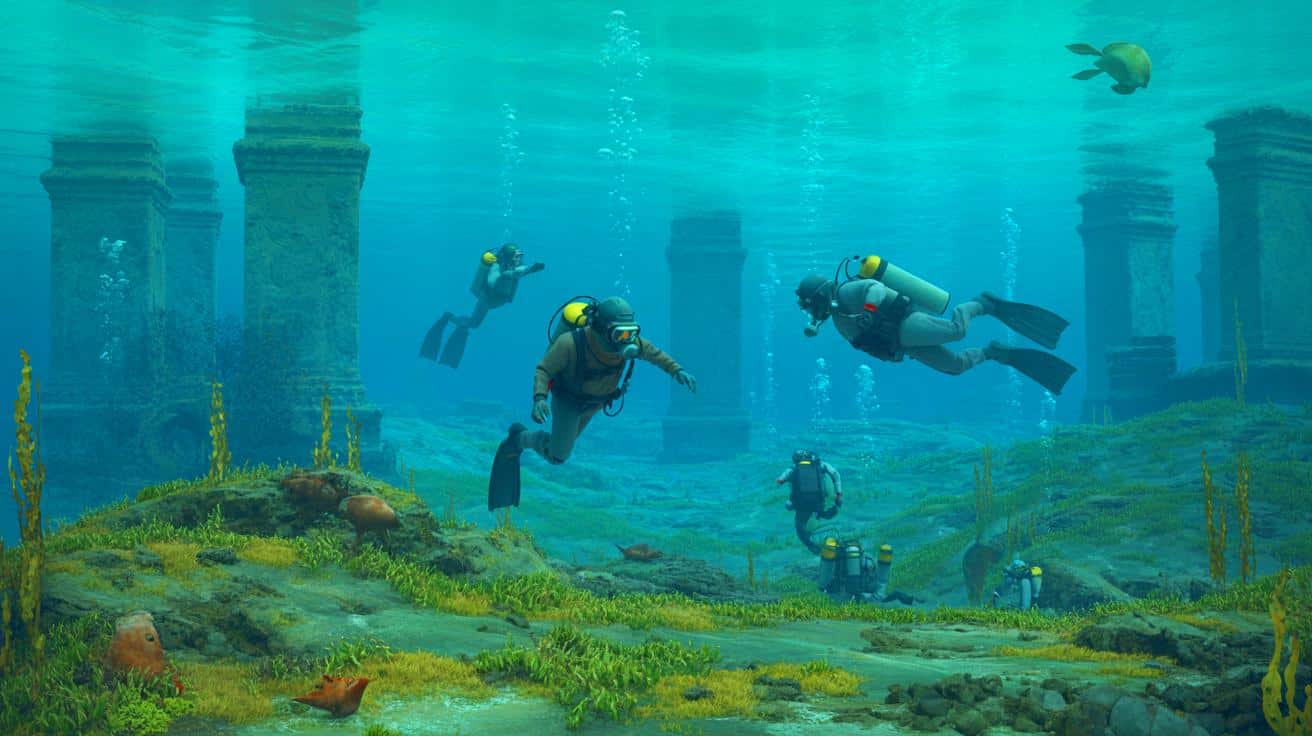
The investigation into submerged landscapes is not just about uncovering the past but also understanding the relationships between ancient societies and their environments. Diving surveys in areas like Aarhus Bay in Denmark are revealing new insights into the distribution of coastal settlements and the exploitation of marine resources by prehistoric humans. This research helps reconstruct the economic and social dynamics of these early communities.
By analyzing the remnants of these civilizations, scientists hope to better understand how ancient peoples responded to environmental changes. This knowledge not only enriches our historical understanding but also offers lessons on resilience and adaptation that are applicable to contemporary challenges. The parallels between ancient and modern experiences of climate change raise important questions about how we can learn from history to build a sustainable future.
As research continues to uncover the secrets of submerged civilizations, the urgency of balancing historical preservation with modern development remains a pressing concern. What insights will these ancient landscapes reveal, and how might they inform our approach to today’s environmental challenges?


This is like Atlantis but in real life! Can’t wait to see what they find. 🌊
Fascinating read! But how do they determine which areas were once inhabited? 🤔
Great article! Thank you for shedding light on this important topic. 🙏
Are there any artifacts already discovered in these submerged areas? 🤔
Are there any artifacts found yet, or is it mostly theoretical at this point?
So interesting! But won’t the wind farms help in some way too? 🤷♂️
Wow, using AI for archaeology is amazing! Science never ceases to impress.
Can AI really tell us what life was like back then? Sounds like sci-fi! 🛸
Why is there such a rush now? Haven’t these sites been underwater for ages?
Isn’t there a way to build wind farms without disturbing these historical sites?
Is there a chance of finding human remains, or is it all gone?
Love learning about ancient civilizations! Keep up the good work! 📚
Is it possible to preserve these sites while still building wind farms?
The dilemma between history and renewable energy is a tough one.
I’m skeptical. How can they know so much from just a few artifacts?
Why hasn’t this been explored until now? Seems like a missed opportunity.
Wow, technology sure is playing a big role in archaeology these days!
How do they balance the need for green energy with preserving history?
Can’t they just move the wind farms to areas with less historical significance?
It’s crazy to think these areas were once land! 🌊
How long do these research projects typically take?
Thank you for the article! I had no idea this was happening! 😊
What’s the most exciting discovery so far?
Is it expensive to conduct such underwater archaeological research?
Seems like a race against time! Hope they succeed. ⏳
How can the public support these archaeological efforts?
I’m curious about the technology used. Can we learn more about that? 🛠️
Do you think we’ll ever truly understand these lost civilizations?
It’s amazing to think about all the history hidden beneath the waves.
Never thought I’d be so interested in the North Sea! Great article!
How are they ensuring that the research doesn’t damage the sites?
Wish there was more funding for such important projects!
Thnks for sharing this! I never knew there were lost cities in the North Sea!
Seems ironic that renewable energy could have such a negative impact!
Wow, this article opened my eyes to a whole new world of history! 🌍
Are there any similar projects happening elsewhere in the world?
How reliable is the data they’re collecting from these submerged sites?
Hope the scientists can find a way to work around the wind farms.