



| IN A NUTSHELL |
|
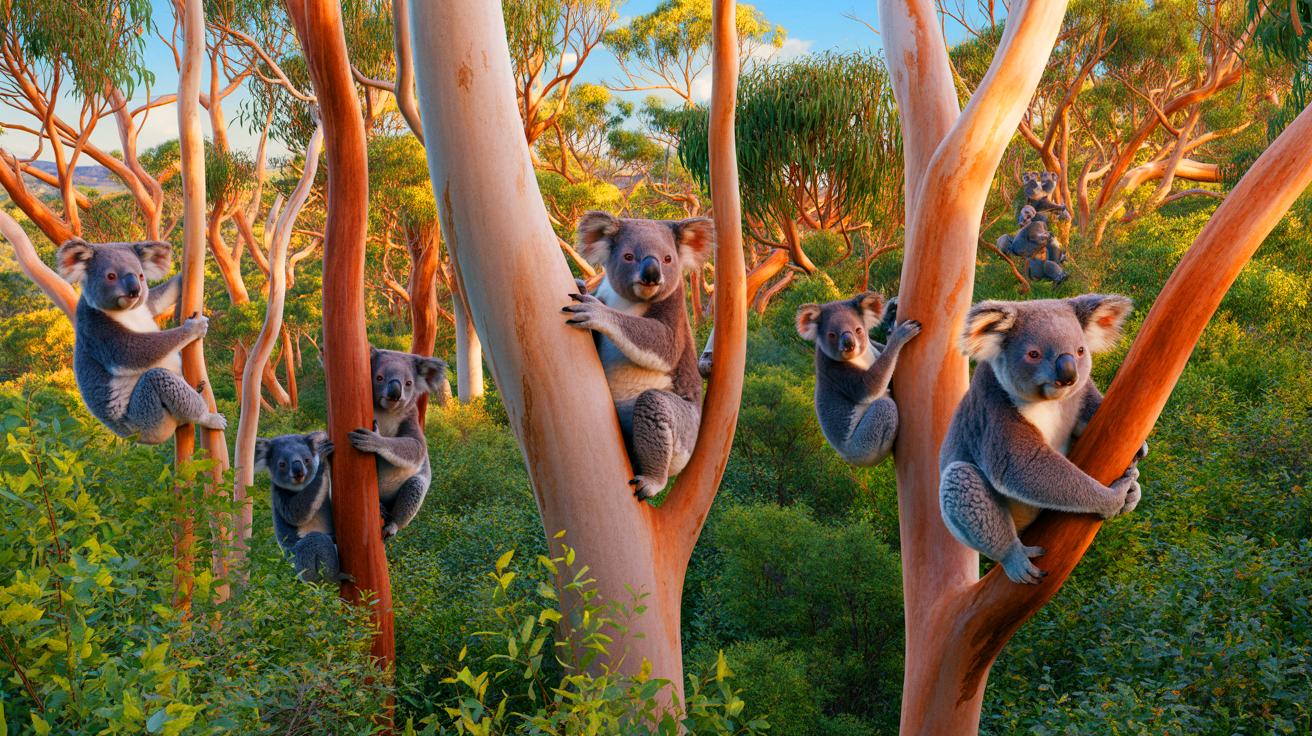
Kangaroo Island, located off the coast of South Australia, is often celebrated as a conservation success story. Home to a thriving population of disease-free koalas, the island appears to be a sanctuary against the backdrop of declining populations on the mainland. However, recent scientific studies reveal a more nuanced narrative beneath this apparent victory. Despite the island’s abundant koala population, the genetic health of these marsupials raises serious concerns. Researchers have discovered significant levels of inbreeding, which could imperil the long-term viability of this seemingly robust koala haven.
Koala Haven With a Dark Side
At first glance, Kangaroo Island seems to be a flourishing refuge for koalas. Scientists from Flinders University, however, have uncovered a critical issue beneath the surface. While the island’s koalas are numerous and largely free from disease, genetic testing paints a different picture. The genetic diversity among these koalas is disturbingly low, a stark contrast to their mainland counterparts. This lack of variation is a direct result of high levels of inbreeding, which surpass those found in koala populations in Victoria and Queensland. Such genetic homogeneity poses significant risks for the future adaptability of the species.
The koala population on Kangaroo Island is not as genetically diverse as it appears, raising significant conservation concerns.
Despite the island’s reputation as a sanctuary, the genetic findings suggest that these koalas face vulnerabilities that numbers alone do not reveal. Without sufficient genetic diversity, the population is at risk of struggling to adapt to environmental changes, diseases, and other unforeseen threats.
Koalas Face Genetic Limits
The roots of this genetic predicament trace back to the early 20th century. In the 1920s, conservationists relocated fewer than two dozen koalas from Victoria to Kangaroo Island in a bid to safeguard the species from the brink of extinction. This small group managed to establish a stable population, but their limited genetic makeup has persisted through generations. As the island's koalas multiplied, the genetic bottleneck from the original founders continued to affect each new generation.
This historical decision, while well-intentioned, has left today's koalas with a legacy of limited genetic material. The absence of new genetic inputs over time has compounded this issue, leaving the population with a precarious genetic foundation. The koalas may seem plentiful, yet they carry the burden of a restricted genetic heritage that may hinder their ability to thrive in changing conditions.
Mainland Koalas Decline
While Kangaroo Island's koalas multiplied, the story on Australia's mainland has been markedly different. Across the east coast, koala populations have suffered severe declines. Human activities, such as hunting and road construction, have fragmented habitats and isolated koala groups. Additionally, diseases like chlamydia have spread, and devastating bushfires have ravaged large areas of forest, further endangering the species.
Mainland koalas face a myriad of threats, from habitat destruction to disease, leading to their official classification as endangered.
These challenges have resulted in fragmented and diminished mainland populations. As a result, the koalas on the mainland are now classified as endangered, highlighting the stark contrast between their plight and the perceived sanctuary of Kangaroo Island.
A Population Without a Strong Foundation
Despite its image as a resilient refuge, Kangaroo Island's koalas may not be as secure as they appear. Even after the devastating bushfires of 2019-2020, which burned over half the island, the koala population endured. However, the genetic data reveals a sobering reality. The island's koalas, while numerous, may lack the genetic strength to secure their future.
The catastrophic fires highlighted the island's vulnerability. Although the koalas survived, their limited genetic diversity raises questions about their ability to withstand future environmental challenges. The survival of this population may be more fragile than previously believed, underscoring the need for proactive conservation measures.
Genetic Issues Threaten Koalas
The genetic health of Kangaroo Island's koalas has raised alarm among conservationists. According to Dr. Katie Gates, the study's lead author, "Kangaroo Island koalas are a successful conservation story in terms of population size. But their genetic health tells a different story." The high levels of inbreeding identified through runs of homozygosity could lead to significant health challenges, including fertility issues and developmental abnormalities.
Without stronger genetic diversity, even minor health challenges could spread quickly, reducing survival rates and weakening the long-term stability of this seemingly secure population.
The researchers emphasize the importance of genetic management to safeguard the future of Kangaroo Island's koalas. Introducing koalas from diverse mainland populations could bolster genetic diversity and enhance the population's resilience against emerging threats.
The findings from Kangaroo Island offer crucial insights into conservation strategies. While isolated populations may appear safe, they are vulnerable to genetic weaknesses if diversity is not actively maintained. This underscores the importance of ongoing monitoring and management to ensure the long-term survival of species in isolated environments. As we consider the future of conservation, the question remains: how can we balance the need for immediate protection with the necessity of maintaining genetic diversity for lasting resilience?

Is there a plan in place to introduce new genes to the koalas on Kangaroo Island? 🌿
Wow, I had no idea about the genetic issues facing Kangaroo Island’s koalas! 🐨
Is genetic rescue the only solution, or are there alternative methods to increase diversity?
Thanks for shedding light on this hidden crisis. It’s crucial to address such issues before it’s too late! 🌟
Great article! Thanks for shedding light on this hidden crisis.
Wow, I had no idea that genetic diversity was such a big issue for the koalas there. 😮
Why weren’t these genetic problems identified earlier? Seems like a big oversight.
Why can’t we just bring more koalas from the mainland to solve this problem? 🤔
So, are they planning to introduce mainland koalas to the island anytime soon?
I’m confused. If there’s a booming population, why is genetic diversity such a big deal? 🤔
This article is an eye-opener. Genetic diversity is often overlooked in conservation! 🧬
Inbreeding sounds really serious. What are the potential health impacts on the koalas?
Are there any similar issues with other isolated animal populations?
Can genetic diversity be restored without introducing new koalas? Just curious!