



| IN A NUTSHELL |
|
In a stunning revelation, researchers have uncovered an unexpected treasure trove deep beneath the Pacific Ocean. What was presumed to be a dormant underwater volcano off Canada’s coast turned out to be a vibrant ecosystem teeming with life. This extraordinary discovery was marked by the presence of up to a million giant eggs blanketing the summit of the volcano. These eggs belong to the mysterious Pacific white skate, a deep-sea creature rarely observed in such abundance. The findings have sent ripples through the scientific community, offering a rare glimpse into the ocean’s hidden wonders and raising important questions about conservation and climate change.
An Ancient Volcano Reveals Its Secrets
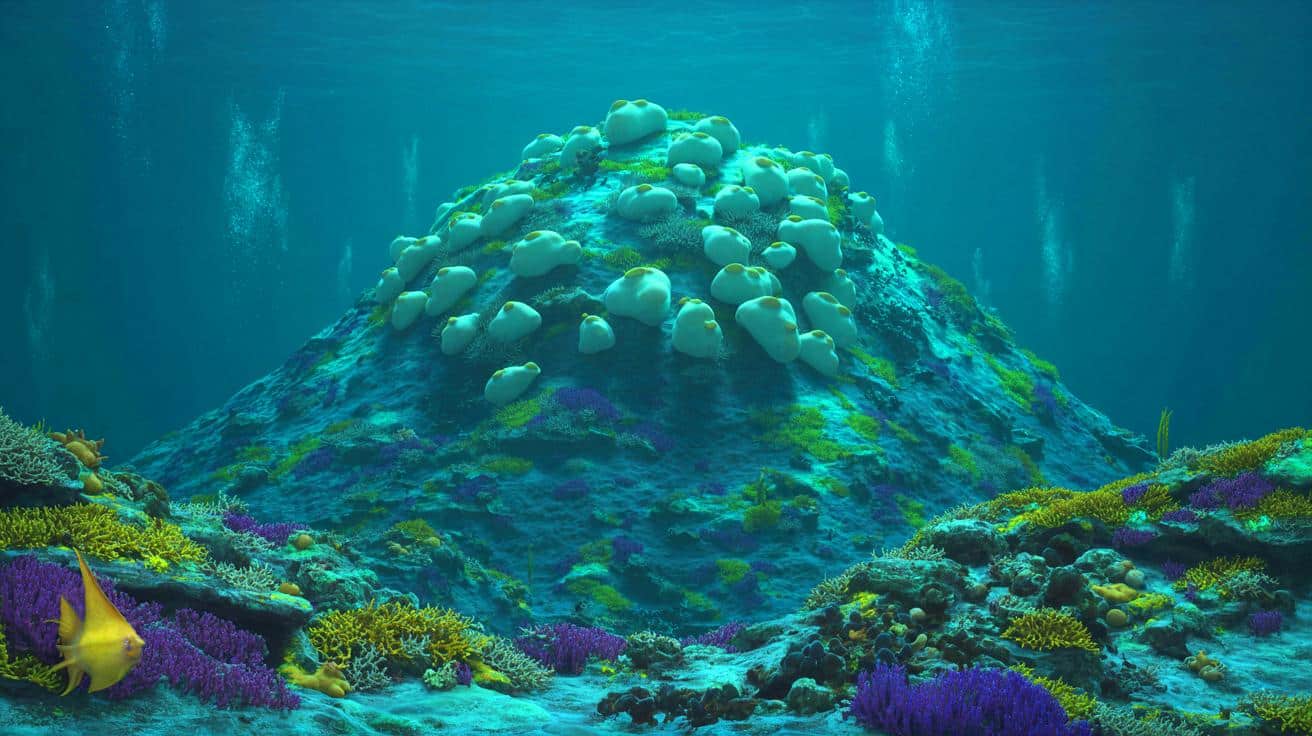
In an ambitious expedition, researchers from Fisheries and Oceans Canada embarked on a journey to explore what they believed was an extinct underwater volcano. Descending nearly a mile beneath the ocean surface, they anticipated encountering a barren seafloor. Instead, they stumbled upon a geological marvel: an active volcano towering 3,600 feet above the seafloor, exuding warm, mineral-rich waters that support a diverse array of life.
This discovery was more than just a geological surprise. The volcano’s warm waters create a unique oasis in the otherwise icy depths of the Pacific. Deep-sea corals, thriving in these conditions, form a lush habitat that sustains a thriving ecosystem. The presence of such life in a seemingly inhospitable environment challenges our understanding of underwater biodiversity and the adaptability of marine species.
Amidst this vibrant ecosystem, scientists observed a remarkable sight: the summit of the volcano was covered with thousands upon thousands of giant eggs. These large, rectangular eggs, measuring about 1.5 feet across, intrigued the researchers. The sheer scale of this natural nursery, a stark contrast to previously known skate nurseries, underscores the volcano’s significance as a reproductive hotspot for the Pacific white skate.
A Nursery Unlike Anything Scientists Have Seen
Leading the expedition, Cherisse Du Preez, a deep-sea marine biologist, was taken aback by the magnitude of the discovery. The summit, blanketed with eggs, suggested a population explosion unlike any previously recorded. Du Preez estimated the number of eggs to be in the hundreds of thousands, if not millions, dwarfing previous findings of skate eggs in the Galapagos, which numbered only in the dozens.
The research team made history by capturing the first-ever footage of a female Pacific white skate laying her eggs. This unprecedented documentation provides invaluable insights into the reproductive behaviors of these elusive creatures. Observing a skate navigate through coral fronds to carefully deposit her eggs was akin to witnessing an alien world, emphasizing the deep ocean's mysteries and the extensive knowledge yet to be uncovered.
The discovery of such a large-scale nursery compels us to reevaluate our understanding of deep-sea ecosystems and the life strategies of species inhabiting these extreme environments.
https://www.sustainability-times.com/research/scientists-finally-expose-the-deadly-bacteria-that-destroyed-billions-of-sea-stars-and-collapsed-pacific-ecosystems/
Meet the Pacific White Skate
The Pacific white skate (Bathyraja spinosissima) is an enigmatic deep-sea dweller, belonging to the same family as sharks and rays. These skates inhabit depths ranging from 2,600 to 9,500 feet along the Pacific coasts of North and Central America. Females can grow up to 6.5 feet in length and are known for their unique reproductive strategy, laying rectangular eggs known as "mermaid purses."
The eggs of the Pacific white skate are adapted to withstand harsh deep-sea conditions, taking up to four years to hatch. The choice of nursery location is strategic — the warmth from hydrothermal vents accelerates development, while the summit provides a safe haven for juveniles. This evolutionary adaptation highlights the intricate balance between marine life and its environment.
Understanding the life cycle of these creatures sheds light on the broader ecological dynamics of deep-sea ecosystems, illuminating the complex interactions that sustain biodiversity in the ocean's depths.
Floating Wind Turbines Now Generate Power in Deep Waters as France Completes World’s First Project
Why This Discovery Matters Beyond the Wow Factor
While the sheer scale of this discovery captivates the imagination, its implications extend far beyond the immediate spectacle. The findings underscore the critical role of hydrothermal vent habitats as nurseries for deep-sea life. These environments are vital for maintaining marine biodiversity, highlighting the need for conservation efforts to protect such sites.
The discovery raises pressing questions about the impact of climate change on these delicate ecosystems. As ocean temperatures shift and volcanic activity fluctuates, the future viability of these natural nurseries is uncertain. Researchers like Du Preez are committed to monitoring this egg-laden seamount, gathering data to inform conservation strategies and mitigate potential threats from human activities.
The preservation of these underwater treasures is essential for safeguarding the ocean's health and ensuring the survival of species uniquely adapted to these extreme environments.
As we unveil the mysteries of the deep, we are reminded of the vast unknowns that lie beneath the ocean's surface. The discovery of a million eggs on a once-thought extinct volcano challenges our perceptions and invites further exploration. What other secrets does the deep ocean hold, waiting to be discovered?


This is incredible! Were there any signs of other species living there? 🐙
Is this for real? Alien eggs or just some weird fish? 🤔
Are we sure they’re alien eggs? Sounds like a great sci-fi movie plot!
Thank you for sharing such an incredible discovery! The ocean never ceases to amaze. 🌊
Wow, a million eggs! Conservation is definitely needed. Thanks for sharing.
Why is it always Canada that finds the cool stuff? 😂
Sounds like a scene from a sci-fi movie. Can we expect a sequel? 😂
So, are these skates dangerous to humans? 🤔
Amazing footage! How can we watch it?
How do the scientists know these eggs belong to the Pacific white skate?
Is there any evidence of these eggs being affected by the toxic gases?
Could this affect the local fishing industry in any way?
No way this is real. Sounds like clickbait to me. 🙄
Thank you for bringing attention to marine conservation!
Wow, nature is truly fascinating. Thanks for the article!
So what’s the next step in the research? I’m intrigued.