



| IN A NUTSHELL |
|
The world is grappling with significant environmental challenges, from the accumulation of waste in landfills to the excessive extraction of natural resources. Amidst this, an innovative solution has emerged that could address both issues: the transformation of coffee grounds into a component for concrete. Researchers in Australia have discovered that charred coffee grounds can enhance concrete strength by up to 30 percent. This breakthrough not only offers a use for the 22 billion pounds of coffee waste produced annually but also presents a sustainable alternative to traditional concrete materials.
Transforming Coffee Grounds Into Construction Material
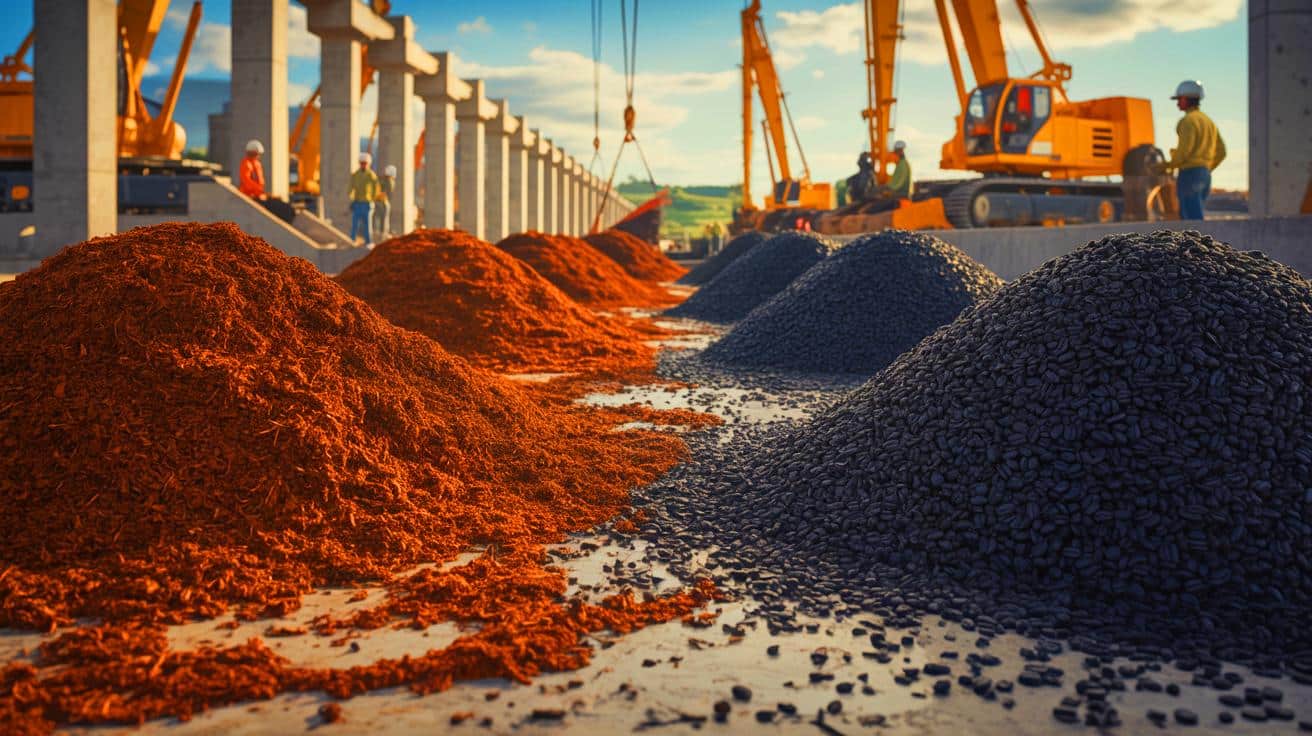
Every year, billions of pounds of coffee grounds are discarded, contributing to the growing problem of waste management. This organic waste, when left to decompose in landfills, generates greenhouse gases like methane and carbon dioxide, exacerbating climate change. Scientists at RMIT University in Australia have developed a method to repurpose this waste into a valuable resource for the construction industry. By pyrolyzing coffee grounds—heating them to over 660 °F without oxygen—they create biochar. This carbon-rich material can be integrated into concrete, enhancing its strength and offering a more sustainable construction option.
The process of pyrolyzing essentially transforms the chemical structure of coffee grounds, making them suitable for use in concrete. Traditional concrete production relies heavily on natural sand, which is increasingly scarce due to the environmental impacts of sand mining. The integration of biochar derived from coffee grounds not only reduces the demand for sand but also diverts organic waste from landfills, aligning with a circular economy model.
Addressing Environmental Concerns
The construction industry is a major consumer of natural resources, and its impact on the environment is significant. The extraction of sand from riverbeds and banks disrupts ecosystems and contributes to erosion and habitat loss. By incorporating biochar from coffee waste into concrete, the need for sand can be reduced, mitigating these environmental impacts. This innovative approach aligns with sustainability goals by preserving natural resources while also addressing the challenges posed by organic waste disposal.
Moreover, the use of coffee grounds in construction supports broader environmental policies aimed at reducing carbon footprints and promoting the recycling of materials. As global demand for construction materials rises, finding sustainable alternatives becomes increasingly critical. The integration of coffee grounds into concrete is a step forward in creating more environmentally friendly building materials that can meet the needs of the growing population.
Challenges and Future Prospects
While the initial results are promising, the research is still in its early stages. The team at RMIT University is conducting further tests to assess the long-term durability of coffee-enhanced concrete. Factors such as resistance to freeze/thaw cycles, water absorption, and abrasions are being examined to ensure the material can withstand various environmental stressors. These assessments are crucial for determining the practical applications of biochar in construction.
In addition to coffee grounds, researchers are exploring other organic waste sources, including wood, food, and agricultural byproducts, to create biochars. This broader approach could further enhance the sustainability of construction materials by diversifying the sources of biochar and minimizing reliance on a single type of waste. As the research progresses, the potential for widespread adoption of biochar-enhanced concrete in the construction industry becomes more feasible.
Implications for Sustainable Development
The transformation of coffee grounds into a viable construction material has significant implications for sustainable development. This innovation not only addresses the environmental challenges associated with waste management and resource extraction but also supports economic growth by creating new markets for recycled materials. The approach reflects a shift towards more sustainable practices in industries traditionally reliant on finite resources.
Furthermore, the research underscores the importance of interdisciplinary collaboration in tackling complex environmental issues. Engineers, scientists, and environmentalists are working together to develop solutions that are both innovative and practical. As the world continues to face the dual challenges of environmental degradation and resource scarcity, such collaborative efforts are essential in driving progress toward a more sustainable future.
The integration of coffee grounds into concrete represents a promising step toward reducing waste and promoting sustainability in construction. As researchers continue to explore the potential of biochar, the question remains: how can we further harness the power of waste to create a more sustainable world?


Wow, who knew my morning coffee could end up in buildings? ☕🏗️
Wow, I never thought my morning coffee could help build a house! ☕🏠
Does this mean coffee grounds will become more expensive? 🤔
Does this mean coffee prices will go up because of demand for grounds? 🤔
Great job, scientists! Turning waste into something useful benefits everyone. 👍
Thank you for sharing this fascinating breakthrough! It’s great to see waste being put to good use.
Is the process of pyrolyzing energy-intensive?
Can this process be applied to other types of organic waste, like tea leaves?
What happens to the aroma of the coffee? Does it linger in the concrete? 😂
I’m a bit skeptical—how durable is this coffee concrete really?
Can you use other types of waste in concrete, like tea leaves or banana peels?
So, should we start saving our coffee grounds at home? 🏠
Thank you for finding ways to reduce landfill waste and save our planet! 🌍
What impact does this have on the cost of construction materials overall?
Will this affect the taste of my coffee in any way? 😜