



| IN A NUTSHELL |
|
As our planet warms, the sustainability of vital ecosystems becomes increasingly uncertain. A recent report confirms that we have reached a critical threshold where warm-water coral reefs can no longer thrive. This alarming development is a sign of larger, systemic changes in Earth’s climate, with widespread implications for both natural ecosystems and human societies. The report, involving contributions from 160 scientists across 23 countries, highlights the urgent need for global action to address climate change and prevent further degradation of our planet’s essential systems.
The Impact of Coral Reef Decline
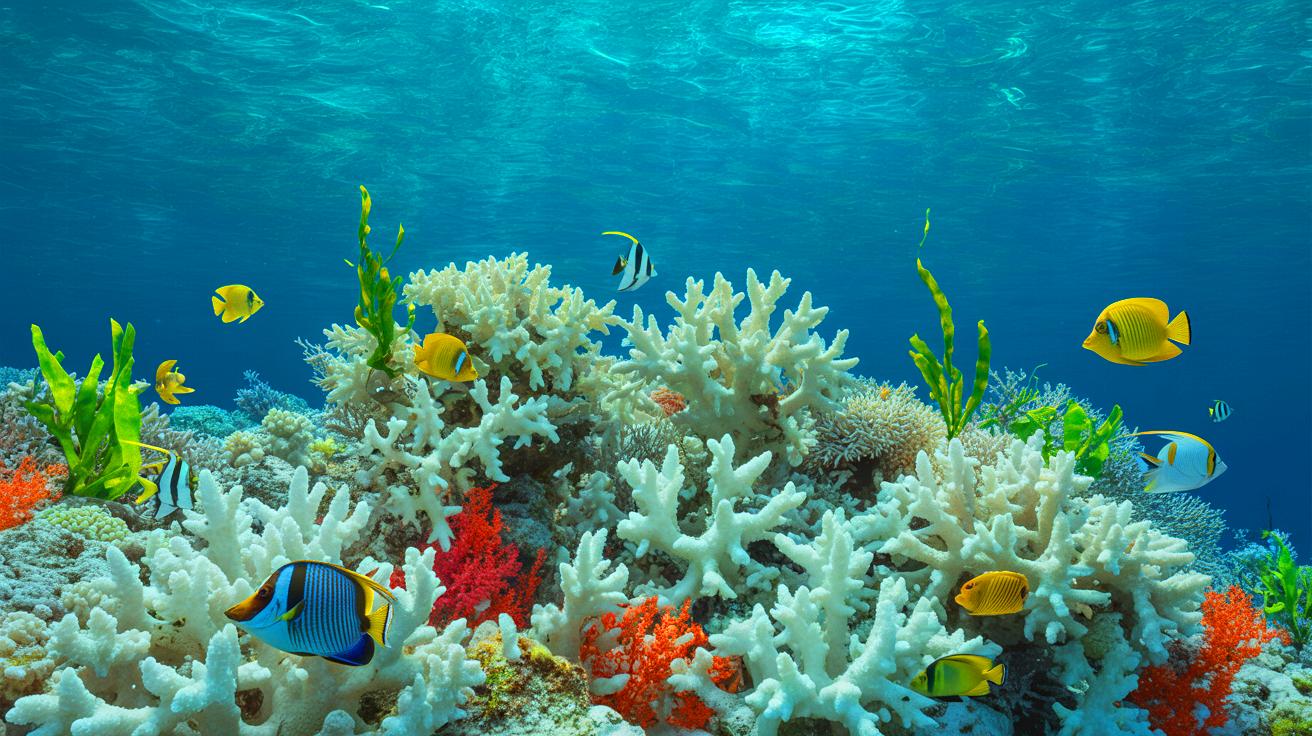
Coral reefs, often referred to as the “rainforests of the sea,” are experiencing massive die-offs, marking a significant climate tipping point. These ecosystems are home to a diverse array of marine life and provide crucial services to human populations. According to the report, the warming of our planet has led to four global coral bleaching events, two within the last decade alone. In just a few years, the Great Barrier Reef has suffered bleaching six times, devastating its vibrant marine life.
The repercussions of these events are profound. University of Exeter scientist Tim Lenton notes that 80 percent of the world’s reefs have been affected by marine heatwaves. These repeated bleaching events occur too frequently for reefs to recover, leading to significant coral mortality. The decline of these ecosystems threatens the livelihoods of half a billion people who rely on reefs for fishing, coastal protection, and more. The economic value of these services exceeds $2 trillion annually.
Understanding the Broader Implications
The plight of coral reefs serves as a warning for other Earth systems. The report suggests that current warming levels, if unchecked, could lead to more catastrophic events, such as the collapse of major ice sheets in Antarctica and Greenland. Such collapses would accelerate sea level rise, with potentially devastating consequences for coastal communities worldwide.
Scientists warn that unless global temperatures are reduced, efforts to restore coral reefs will be futile. Current policies are predicted to result in a 2.5 to 3 °C increase in temperatures by the end of the century. This level of warming risks crossing several irreversible tipping points, affecting not only marine ecosystems but also terrestrial ones like the Amazon rainforest. As WWF-UK chief scientist Mike Barrett emphasizes, these changes could lead to catastrophic outcomes for humanity.
Exploring Positive Tipping Points
Amidst the grim forecasts, the report identifies potential positive tipping points that could help mitigate climate change. These include advancements in renewable energy technologies, such as wind, solar, and battery storage, which are becoming increasingly competitive with traditional energy sources. The researchers argue that accelerating the energy transition is crucial and should be a focus of upcoming climate talks.
Positive tipping points represent opportunities where incremental changes can lead to significant, lasting impacts. By identifying and triggering these changes, societies can create self-sustaining shifts toward sustainability. This approach requires collective action and innovation, as well as support for policies that prioritize climate resilience.
Mobilizing for Climate Action
Individuals and communities have a role to play in addressing climate change. University of Oslo sociologist Manjana Milkoreit urges people to engage with climate issues actively. This includes advocating for ambitious climate policies, supporting organizations that raise awareness, and making sustainable lifestyle choices. Simple actions, such as reducing meat consumption and supporting nature-based solutions like rewilding, can contribute to broader climate goals.
Advocacy and civic engagement are critical in holding leaders accountable and ensuring that climate action remains a priority. As Milkoreit points out, the threats posed by climate tipping points are not abstract future risks but present dangers to fundamental freedoms and well-being. By staying informed and involved, citizens can help drive the necessary changes to safeguard the planet’s future.
As we face the reality of crossing climate tipping points, the question remains: how will we, as a global community, respond to these challenges and protect the planet for future generations?

Wow, this is a wake-up call! 🌍 How can we help save the corals?
It’s truly alarming to see how much coral reefs are suffering. How can individuals contribute to reversing this trend? 🌊
Could the report be exaggerating the urgency? I mean, scientists have been warning us for years. 🤔
Isn’t it too late to reverse the damage already done to coral reefs?
Thank you for shedding light on such a crucial issue. We need more articles like this to raise awareness! 🙏
Thank you for highlighting such an important issue. More people need to read this!
If coral reefs are the “rainforests of the sea,” what’s the equivalent threat to actual rainforests?
I’m skeptical about these reports. How accurate is the data on coral die-offs?
Is there any hope left for the Great Barrier Reef? I thought it was already a lost cause. 😢
Great article! But what actions can we, as individuals, realistically take? 🤔
Sure, climate change is urgent, but isn’t technology advancing fast enough to fix these problems?
Why isn’t there more focus on restoring coral reefs instead of just highlighting their decline?