


| IN A NUTSHELL |
|
Archaeologists from the University of Copenhagen are uncovering the secrets of a 5,000-year-old site in Jordan, revealing how early civilizations adapted to cultural collapse. The site, known as Murayghat, serves as a testament to human resilience and creativity in the face of adversity. Researchers believe the inhabitants of Murayghat, who lived during the Early Bronze Age, developed new traditions and social structures following the decline of the Chalcolithic culture. By examining the remnants of this ancient community, archaeologists are gaining insights into how early societies redefined themselves and their belief systems in the wake of significant upheaval.
Reshaping Rituals and Beliefs
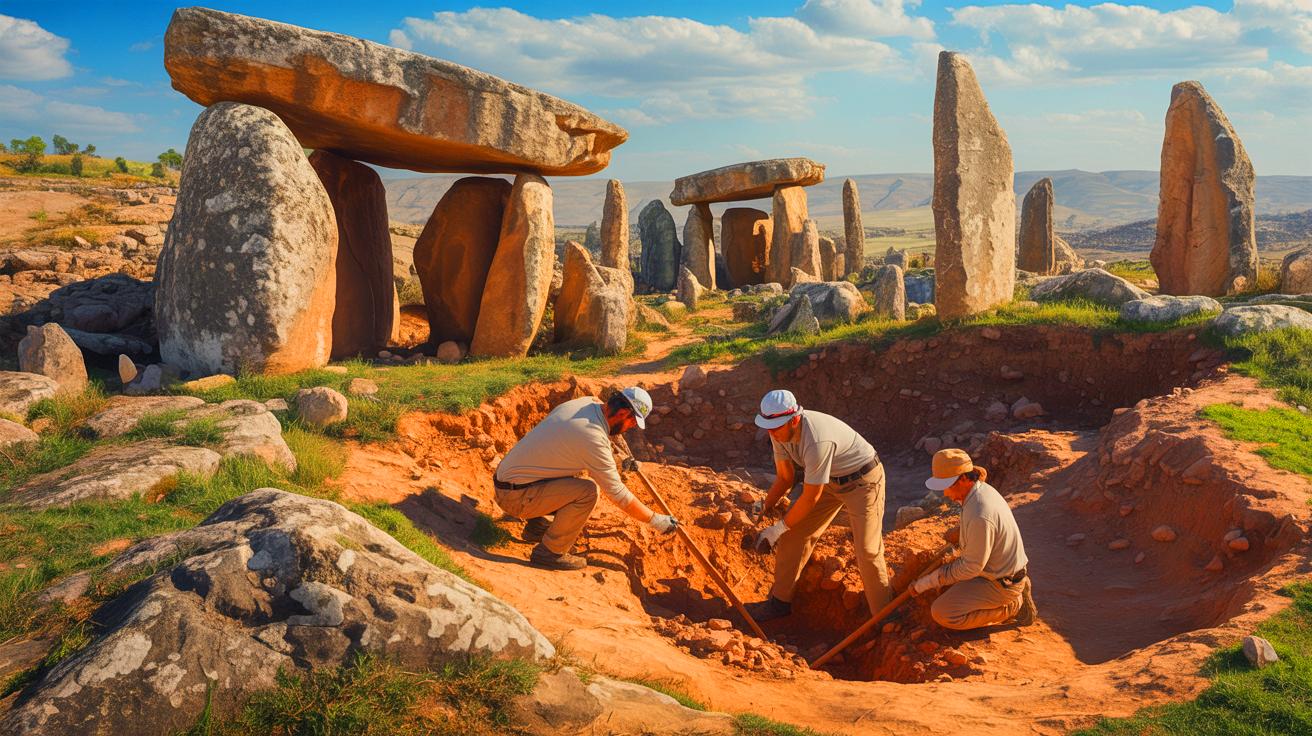
Murayghat emerged after the Chalcolithic era, a time characterized by small village settlements, symbolic art, and copper tools. As this culture declined, likely due to climate change and social unrest, a new way of life began to take shape. The Early Bronze Age community at Murayghat reimagined their rituals and beliefs, shifting from domestic settlements with small shrines to more communal forms of worship. Archaeologist Susanne Kerner notes that the site features clusters of dolmens, standing stones, and large megalithic structures. These elements suggest a focus on ritual gatherings and communal burials, rather than individual living spaces. This transformation reflects a broader shift in how the community expressed their faith and identity.
Instead of merely rebuilding the past, the people of Murayghat sought to create something new and enduring. This change in religious expression highlights the community’s ability to adapt and innovate during challenging times. The transition from smaller shrines to grand communal monuments indicates a move towards collective identity and shared experiences.
Monuments as Symbols of Identity
The archaeological team has identified over 95 dolmen structures at Murayghat, along with stone enclosures and carved rock features. These striking monuments likely served as territorial markers or social symbols during a period when centralized authority was absent. Kerner believes that these structures represent a form of resilience, as the community sought to establish new social roles and community frameworks. The monuments at Murayghat stand as enduring symbols of identity and territory, offering insights into how early societies navigated periods of disruption.
The presence of these monuments suggests a shift in the community’s priorities. By focusing on large-scale, communal structures, the inhabitants emphasized collective identity over individual or familial ties. This change reflects a broader trend of adaptation and resilience, as the community sought to navigate a rapidly changing world.
Evidence of Rituals and Community Gathering
Artifacts uncovered at Murayghat further support the idea of ritual activity and community gatherings. The site has yielded Early Bronze Age pottery, large communal bowls, grinding stones, flint tools, animal horn cores, and copper objects. These items suggest ceremonial use, possibly for feasting events. The layout and visibility of Murayghat indicate that it may have served as a regional meeting place, where different groups came together for social or spiritual gatherings.
The artifacts found at the site provide a tangible connection to the past, offering clues about the community’s daily life and spiritual practices. These objects tell a story of a society that valued communal gatherings and shared experiences, using rituals to forge connections and strengthen bonds. The discoveries at Murayghat highlight the importance of community in times of change, as people came together to reaffirm their shared identity and beliefs.
Pumpkin Dangers Exposed: How a Common Ingredient Could Affect Your Health This Fall Season
Transforming Crisis Into Creativity
Kerner’s research, published in the journal Levant, underscores the resilience and creativity of the Murayghat community. By building enduring symbols of identity and community, the people of Murayghat transformed crisis into opportunity. Their ability to adapt and innovate in the face of adversity offers valuable lessons for today’s world, as societies continue to navigate complex challenges.
The story of Murayghat is a testament to the human spirit and the power of creativity in overcoming obstacles. The site’s enduring structures serve as a reminder of the resilience and adaptability of early civilizations. As researchers continue to explore Murayghat, they hope to uncover more insights into how ancient societies responded to change and adversity.
The discoveries at Murayghat offer a window into the past, revealing the resilience and creativity of early civilizations. As archaeologists continue to study the site, they seek to uncover more about how these communities adapted to cultural collapse and redefined their identities. What other lessons can modern societies learn from the adaptability and innovation of ancient peoples like those at Murayghat?


Wow, 5,500 years is such a long time ago! How do archaeologists determine the age of these sites? 🕰️
Wow, 5,500 years old? That’s older than my grandma’s recipes! 😄
Fascinating read! How do they determine the age of these artifacts?
This is fascinating! I had no idea there was such a complex civilization in Jordan so long ago. Thanks for sharing!
The resilience of these ancient people is truly inspiring. Thank you for sharing!
Are there any plans to make the site accessible to the public? I’d love to visit!
Is there a chance that the findings at Murayghat could change our understanding of early human history?
Dolmens and megalithic structures sound like something out of a fantasy novel! 🏰
Did they find any ancient recipes or food remains at the site? 🍲
So they found dolmens and megalithic structures? Sounds like something straight out of a fantasy novel!
Isn’t it amazing how history keeps surprising us with new discoveries?
How do they know the community gatherings were for rituals and not just ancient parties? 🎉
Impressive work by the archaeologists! Are there any plans to open the site to the public?
This article gave me chills! Such a great insight into human history.
Are there any connections between Murayghat and other ancient sites in the region?
Does anyone else find it incredible how they adapted to climate change way back then? 🌍
Why do all these articles always end up being about pottery? 😂