




| IN A NUTSHELL |
|
In the realm of photosynthesis, sunlight is both a blessing and a curse. While it’s essential for the conversion of light into energy, intense sunlight can damage the very process it fuels. However, marine green algae have mastered the art of harnessing sunlight without succumbing to its harmful effects. Recent research from Osaka Metropolitan University highlights how these algae, through a unique pigment called siphonein, maintain efficient photosynthesis even under intense light conditions. This discovery not only enhances our understanding of marine biology but also holds potential implications for renewable energy technologies.
Protecting the Machinery of Photosynthesis
Photosynthesis relies on complex systems known as light-harvesting complexes (LHCs) to capture and convert sunlight into energy. At the center of this process is chlorophyll, the green pigment responsible for absorbing light. When chlorophyll becomes excited, it transfers energy to reaction centers, enabling essential chemical processes. However, excessive sunlight can push chlorophyll into a “triplet” state, generating reactive oxygen molecules that can damage cells.
To counteract this, organisms use carotenoids to dissipate excess energy through a mechanism called triplet-triplet energy transfer (TTET). According to Ritsuko Fujii from Osaka Metropolitan University, this process is crucial in preventing cellular damage. Despite its importance, the exact workings of this protective mechanism remained a mystery until recently. The newfound understanding of siphonein’s role in marine algae offers a clearer picture of how nature manages to protect its photosynthetic machinery.
A Closer Look at Codium fragile
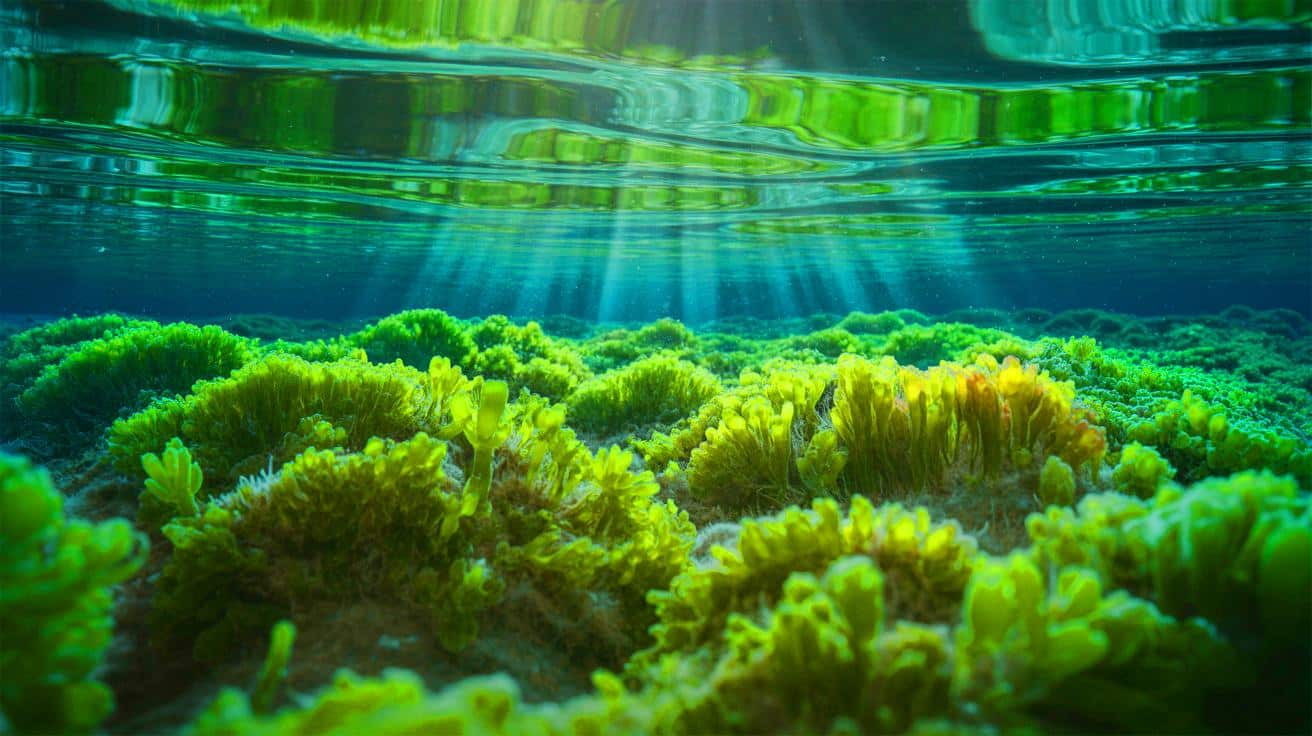
Researchers focused their attention on Codium fragile, a type of marine green alga. Unlike land plants, this alga contains rare carotenoids such as siphonein and siphonaxanthin. These pigments enable the algae to utilize green light, prevalent in underwater environments, for photosynthesis. Alessandro Agostini from the University of Padua emphasized the importance of understanding how triplet states are deactivated rapidly and efficiently.
Using electron paramagnetic resonance (EPR) spectroscopy, researchers compared Codium fragile with spinach, a more common plant. The findings were telling: while spinach retained traces of harmful chlorophyll triplet states, Codium fragile showed none. This indicates that the algae’s carotenoids effectively neutralize damaging energy, showcasing their superior photoprotective capabilities.
How Siphonein Shields Algae From Sun Damage
By integrating EPR data with quantum chemical simulations, the researchers pinpointed siphonein as the pivotal pigment for protection. Found at a crucial binding site in the LHCII complex, siphonein’s molecular structure and position allow it to effectively disperse excess energy. This discovery underscores the evolutionary adaptations of marine algae, which not only absorb available blue-green light but also shield themselves from intense sunlight.
These insights reveal a sophisticated natural mechanism that balances light absorption with protection against overexposure. Understanding this balance is vital for both biological research and potential technological applications. The study highlights how nature’s innovations can inspire human advances, particularly in the field of renewable energy.
From Ocean Discovery to Solar Innovation
This research extends beyond biology, offering potential for technological innovation. Insights into the algae’s protective strategies could inform the design of bio-inspired solar technologies. Such systems would be capable of self-protection from light damage, enhancing both durability and efficiency. Ritsuko Fujii expresses hope that further exploration of carotenoid structures will enable the molecular design of optimized pigments for photosynthetic antennae.
The implications for renewable energy are significant. Understanding and replicating nature’s solutions could lead to breakthroughs in solar technology, making it more resilient and efficient. The study, published in Cell Reports Physical Science, paves the way for future research that bridges the gap between natural processes and technological advancements.
The study of siphonein and its protective role in marine algae unveils new dimensions in photosynthesis research. As we delve deeper into these natural mechanisms, the potential for innovation in renewable energy grows. How can these discoveries translate into tangible advancements in solar technology, and what other secrets might the natural world hold for sustainable energy solutions?


This is really fascinating! I’ve never thought algae could teach us so much about solar tech. 🌞
Wow, algae are like the superheroes of the ocean! 🦸♂️
Can someone explain how siphonein actually works? I’m curious but lost! 🤔
Can siphonein be synthesized for commercial solar panels?
So algae are like little solar panels? That’s amazing! 🌿
Thank you for this insightful article. Nature truly is the ultimate engineer!
This is great, but how practical is it to apply these findings in real-world solar tech?
Isn’t it amazing how algae can outperform spinach in some aspects? 🥬
Algae power! Who knew these tiny guys had such big secrets? 🦠
Could this research help in reducing the costs of solar energy?
I wonder if algae could be used in space missions for energy capture.
Algae saving the planet, one photon at a time! 😂
Did I miss the part where they say how long it takes to implement this in technology?