




| IN A NUTSHELL |
|
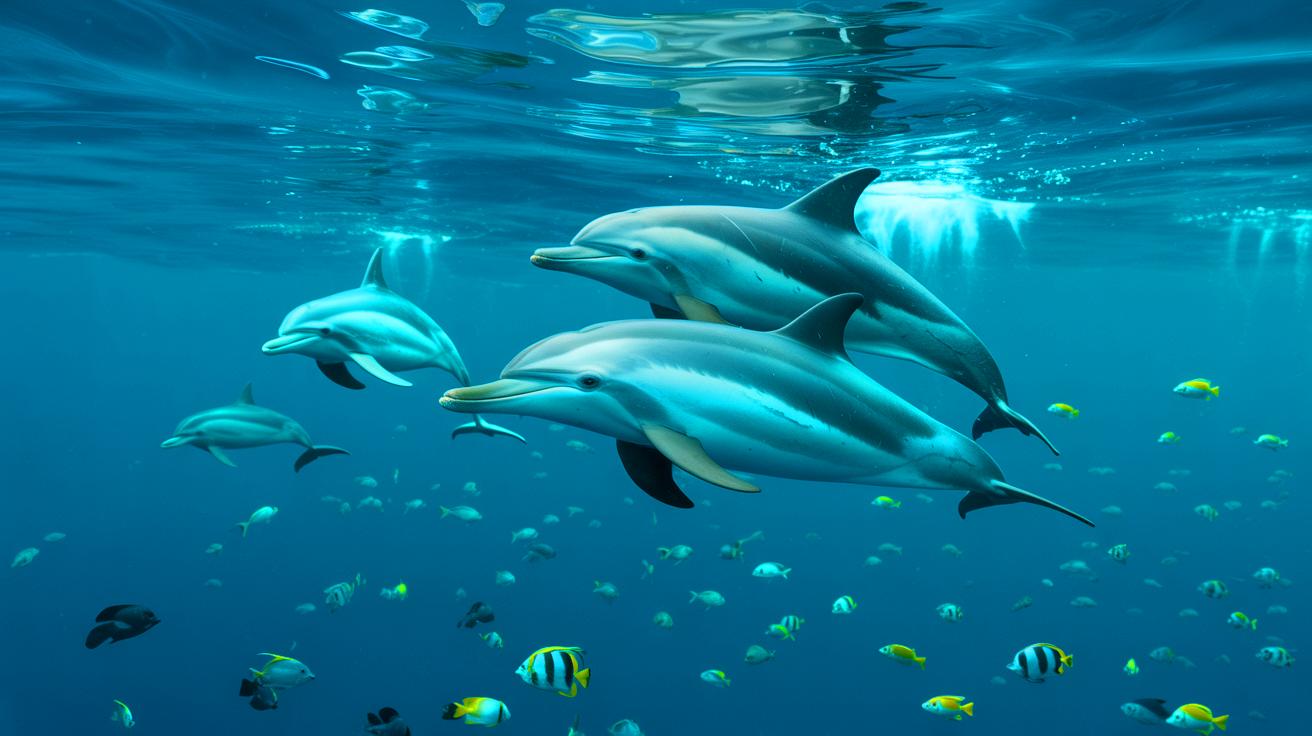
In recent years, common dolphins in the North Atlantic have experienced a troubling decline in lifespan. Research from the University of Colorado Boulder reveals that female dolphins are living an average of seven years less than they did in 1997. This study, published in Conservation Letters, highlights the broader implications for ocean ecosystems. The findings signal an urgent need for more effective management strategies to prevent further decline. As these dolphins play a critical role in their ecosystems, their reduced lifespan could have cascading effects throughout the marine environment.
Dolphins of the Bay of Biscay
The Bay of Biscay, located off the coast of France, serves as a crucial winter habitat for common dolphins. The nutrient-rich waters attract small fish, such as anchovies and sardines, which are vital food sources for these dolphins. Despite the bay’s significance as a feeding ground, it is also a hotspot for commercial fishing activities. This has led to the unintended capture of dolphins, known as bycatch, causing thousands of deaths each year. In 2021, approximately 6,900 dolphins were killed due to bycatch, out of a winter population of 180,000.
Although previous surveys indicated stable dolphin numbers in the Bay of Biscay, the reality of bycatch presents a significant threat. The high rate of dolphin mortality due to fishing operations is alarming. It underscores the need for better protective measures. Given the dolphins’ role as top predators, their decline could disrupt the ecological balance. Fish populations might grow unchecked, leading to overconsumption of plankton and eventual ecosystem collapse.
A New Way to Measure Decline
Traditional methods of monitoring dolphin populations primarily rely on visual counts from ships or aircraft. However, these techniques may not accurately detect population changes until they become severe. Dolphins, with their slow reproduction rates and long lifespans, require more sensitive indicators to track their health effectively. To address this challenge, researchers have turned to studying stranded dolphins as an alternative method.
By examining dolphins that have washed ashore, often due to illness or injury, scientists can gain insights into population health. Although stranded dolphins represent only about 10% of total deaths, their conditions over time reveal critical patterns. The research team analyzed 759 stranded common dolphins between 1997 and 2019. They focused on changes in survival and fertility rates, which are more sensitive indicators of population health.
Evidence in the Teeth
Dolphin teeth provide valuable clues about their age and overall health. By studying growth layers in the teeth, scientists determined the ages at which these dolphins died. The findings revealed a decrease in the average lifespan of female dolphins in the Bay of Biscay, from 24 years in the late 1990s to just 17 years by 2019. This reduction in lifespan has also led to fewer calves being born, indicating a worrying reproductive decline.
The study showed that population growth has slowed by 2.4% since 1997. Under optimal conditions, common dolphin populations can grow by about 4% annually. However, by 2019, growth was likely only around 1.6%. If this trend continues, it could eventually lead to negative growth. This would mark the beginning of an overall population decline, with potentially severe consequences for the ecosystem.
Policy Changes and Future Action
In response to these findings, the French government implemented a one-month annual fishing ban in the Bay of Biscay each January since 2024. This measure aims to protect dolphins during a critical time of year. While initial reports suggest that the ban may be beneficial, experts like Etienne Rouby propose adjustments. Aligning the ban’s timing with dolphin migration patterns could enhance its effectiveness.
Other cetacean species in the North Atlantic, such as harbor porpoises and bottlenose dolphins, may face similar pressures. Understanding these patterns could inform stronger marine protection policies. The U.S. Marine Mammal Protection Act and the European Marine Strategy Framework Directive could benefit from these insights. As dolphins hold an essential role in marine ecosystems, their protection is vital for maintaining ecological balance.
As we face the stark reality of declining dolphin populations, the urgency for action becomes evident. Dolphins are not just majestic creatures of the sea; they are integral to the health of our oceans. The evidence of their declining viability calls for immediate, informed measures to safeguard their future. The question remains: how will we prioritize their conservation to ensure the stability of marine ecosystems for generations to come?


Why are female dolphins living shorter lives now compared to the 1990s? 🤔
So sad to hear about the dolphins! 😢 What can we do to help save them?
Interesting article! More people need to be aware of these changes. Thanks for sharing. 😊
This is alarming! How does bycatch affect other marine life in the Bay of Biscay?
The fishing industry must be held accountable for bycatch. Enough is enough!
Thank you for shedding light on this issue. It’s crucial that more people become aware!
Can someone explain how studying stranded dolphins helps researchers understand population health? 🐬
Can you provide more information on how the fishing ban is being enforced?
Is there any evidence that climate change is affecting dolphin lifespans too?
Thank you for highlighting this important issue. Ocean health should be a priority for everyone.
How reliable are the estimates based on stranded dolphins? Seems a bit off to me. 🤔
This is alarming! What can individuals do to help protect the dolphins?
Great article! But I wonder, are there similar trends in other parts of the world?
Why don’t they extend the fishing ban to more months? 🤨